An Artist's Resilience: Preparing one's Studio to Create Art Midst Chaos

An artist will make art no matter what. When calamities strike, an artist feels inspired to react on his/her changing environment, even if that environment is impacted by a calamity. What follows from this is that an artist needs to prepare his/her studio.
In order to prepare for prepping one's studio, an artist needs to know which dangers lurk. I used calamity maps provided by the Dutch government to find out which dangers are more probable and which less. Less risk for floods, at my place, but urban heat is a worry. Terrorism neither radiation, my area is more prone to blackouts (we had them already). It is good to know what is more likely, although a real prep-die-hard prepares for any emergency. And not only for the next 72 hours, but the next 3 weeks.
Once you know what kind of preparing is prioritized, prepare your art making studio for calamities. A lot of preparing is general, like storing enough water and enough light. Think of a water, water filters, and solar light powered lights and glow sticks. Stock up art making tools too.
Find & Buy Vintage Stuff
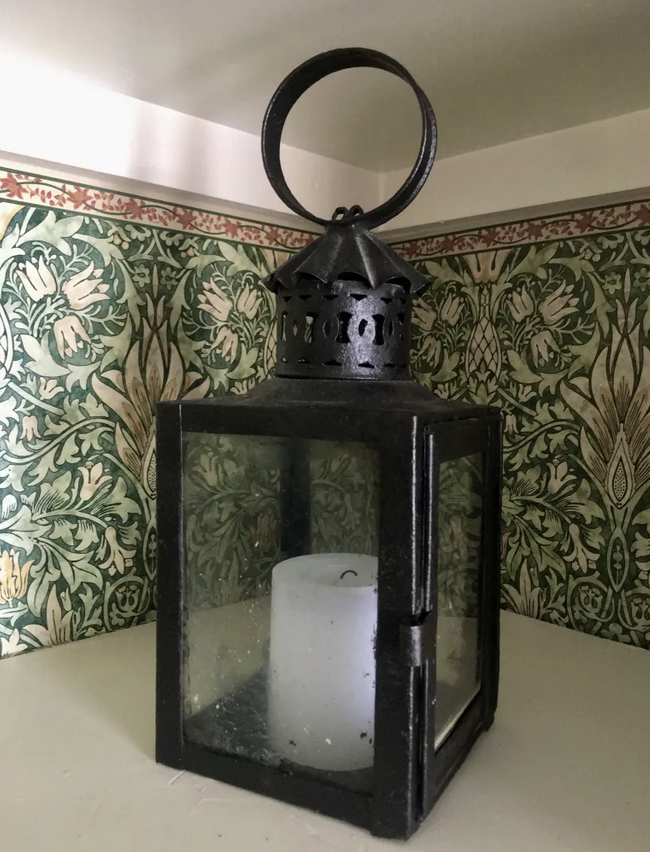
Preparing doesn't come cheap. At least not the hardware preparedness stuff like filters, storage cans, lanterns, and stoves. A possible solution is the following. Visit vintage stores and see what you find there. Our grandparents and parents were naturally prepared for logistic and economic reasons but also because they have lived through war.
Also for aesthetic reasons, vintage stuff gives of more cosy vibes and is often more aesthetically pleasing than modern stuff. Of course, you don't have to turn your home into a museum full antique objects, but for atmospheric, budget-friendly and re-using reasons, consider buying vintage products and give them a second life.
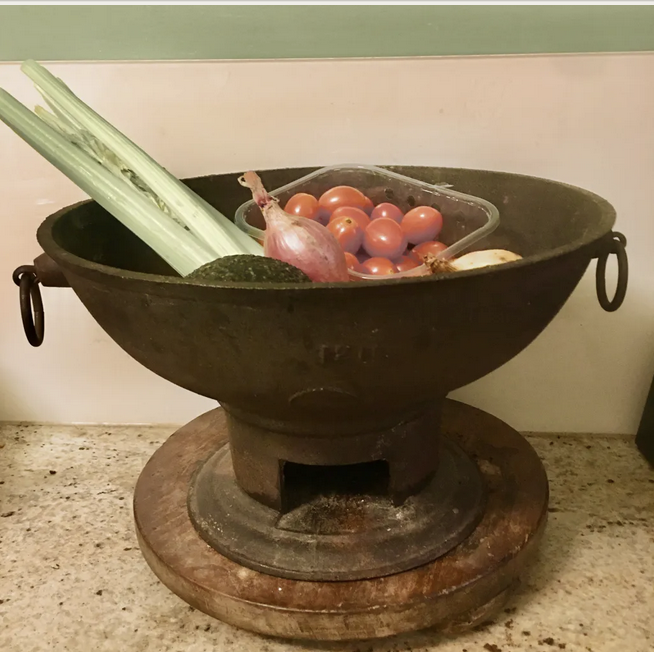
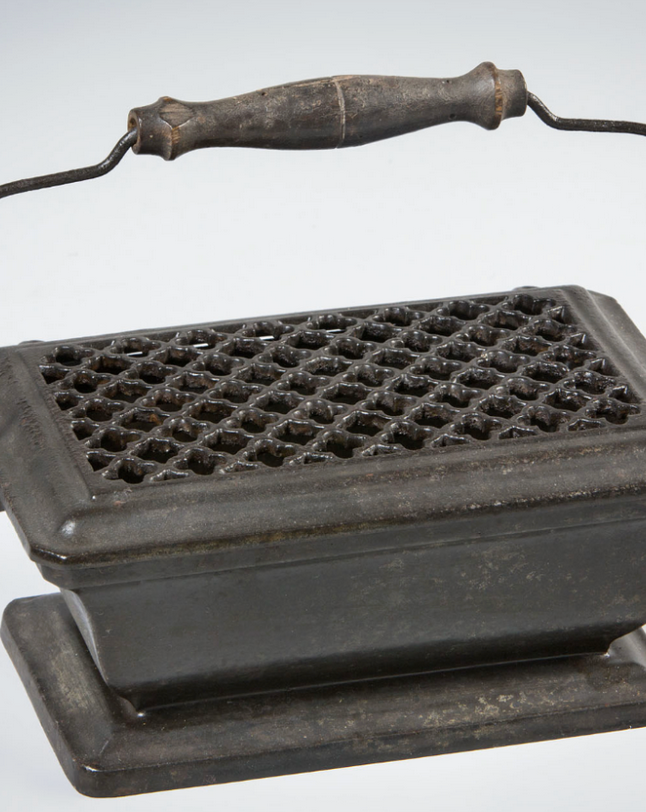
I have two stoves: one modern Rocket Stove Coox and one -nameless- that has been put out of work as a stove but functions as a veggie-basket. If needed, both will be put to good use (outside!). The modern Coox will cook food and the antique one will keep food warm with small amounts of coal or tealights. My Coox is stored away for times of calamities. But the old one proves my point that vintage preparedness objects are aesthetically pleasing too.
Electricity & Warmth
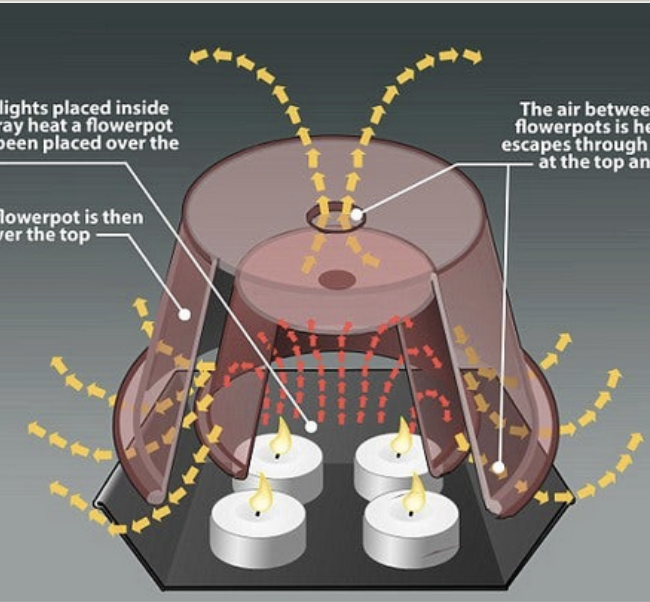
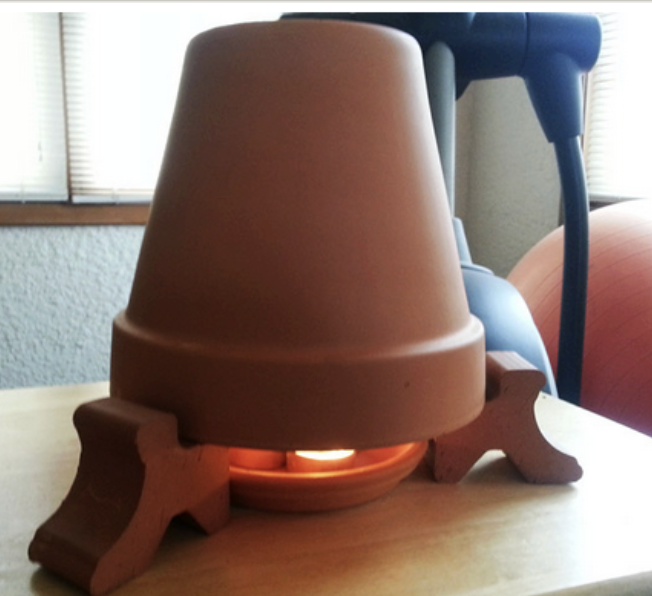
Have enough charged power banks. Nonetheless, they will run out. So, have enough solar powered lights, candles, batteries, and space heaters. Space heaters are very easy to assemble and when placed strategically in the room you have designed to be your 'comfort room' they will be helpful. (Comfort room is the one room you will try to keep warm when heating goes off. It is a room with ventilation but preferably with sun and small windows).
I cleaned terracotta flowerpots and terracotta bowls. I placed them on our dining table. With all house hold members, we assembled 5 functional space heaters. What a great exercise this was! We used a few tin cake forms too. I stored them in a plastic box together with matches and tealights. Exercise making space heaters before calamities strike: you might need to buy a few fitting pots and bowls.
You can settle for space heaters with new pots. But you can also use second hand pots and fancier parts. Traditional blacksmithing techniques are always a delight. So, visit vintage and second hand shops and brows through Vinted vintage category. Give old things new life.
How to continue with Needle Art?
My sister, needle artist Marga van der Vet, has been contemplating ways to sustain her artistic work during challenging times. She resides high and dry above sea level, so that’s not a concern.
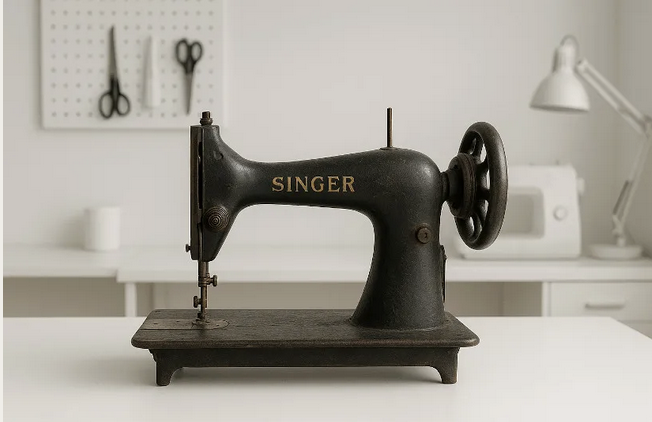
However, a blackout or dunkelflaute (anticyclonic gloom) is becoming more probable. What if her solar panels fail to produce energy during an electrical outage? Fortunately, my sister owns a hand (foot) powered sewing machine, allowing her to continue her artistic work at a mindful pace. Here is her story:
Marga van der Vet, textile artist, sits down and uses her timeless cast iron sewing machine.
Wooden and Iron Foot Stoves
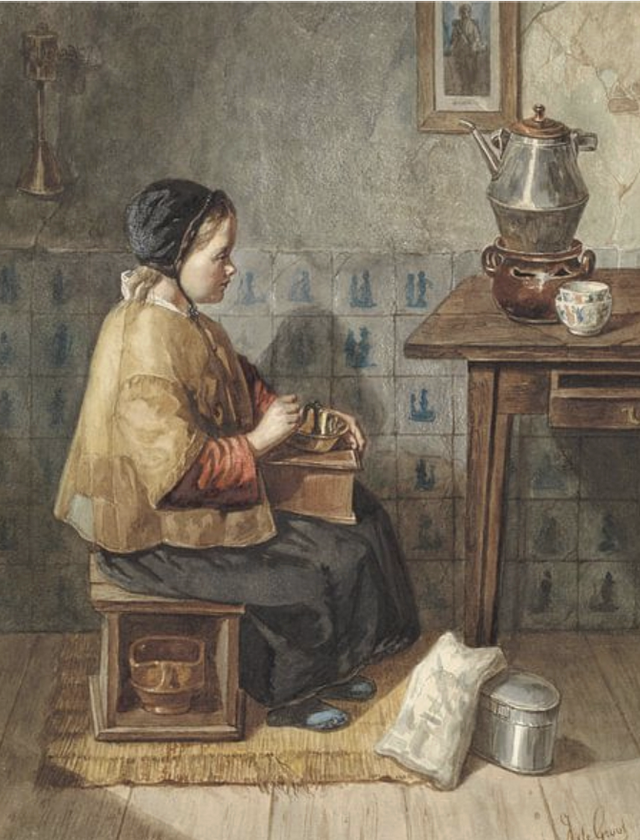
Remember your grandmother? Whilst sitting in front of her window -knitting-, she placed her feet on a wooden stove? For that tiny bit of extra warmth that kept her legs healthy? Ever since central heating, these stoves are used as plant tables. But why not use them in times of a blackout? Put a hot stone or a tealight (this must be safe) inside, hot stones that you have warmed with your outdoor stove or BBQ, to keep your feet warm. Or whatever needs a bit of extra warmth (teapot, coffee kettle, soup).
What I do not want to promote is ignoring all new inventions that make life easy and safe. However, whilst dealing with emptying my late father's apartment, I had many vintage objects going through my hands. I came to see that some objects had -unexpected- preparedness value. Candle holders, old iron tools, wood stoves, etc.
I bought a charming old foot stove that doubles as a tea pot warmer. Why invest in expensive preparedness tools that require storage? Instead, why not repurpose vintage items that can also serve your family in times of peace and in times of need?
New 'Old' One Mug Cozy -with style-
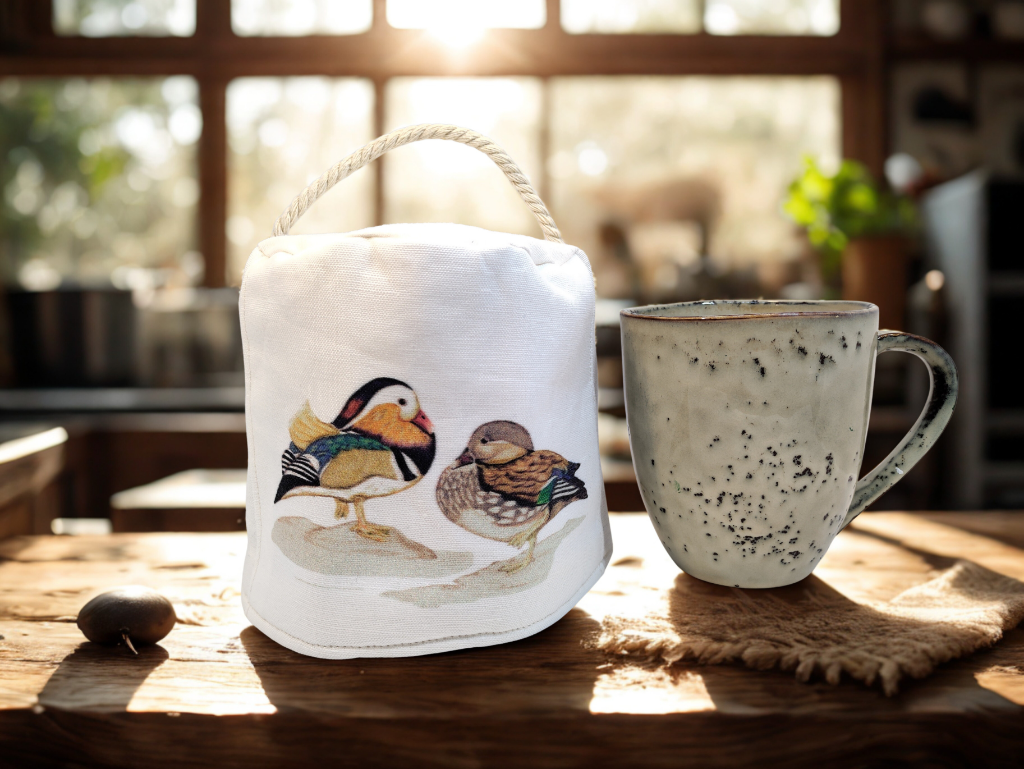
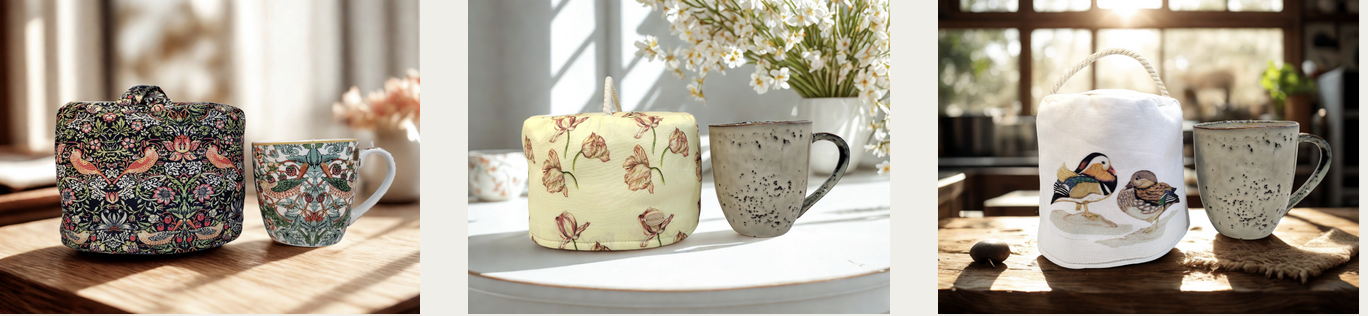
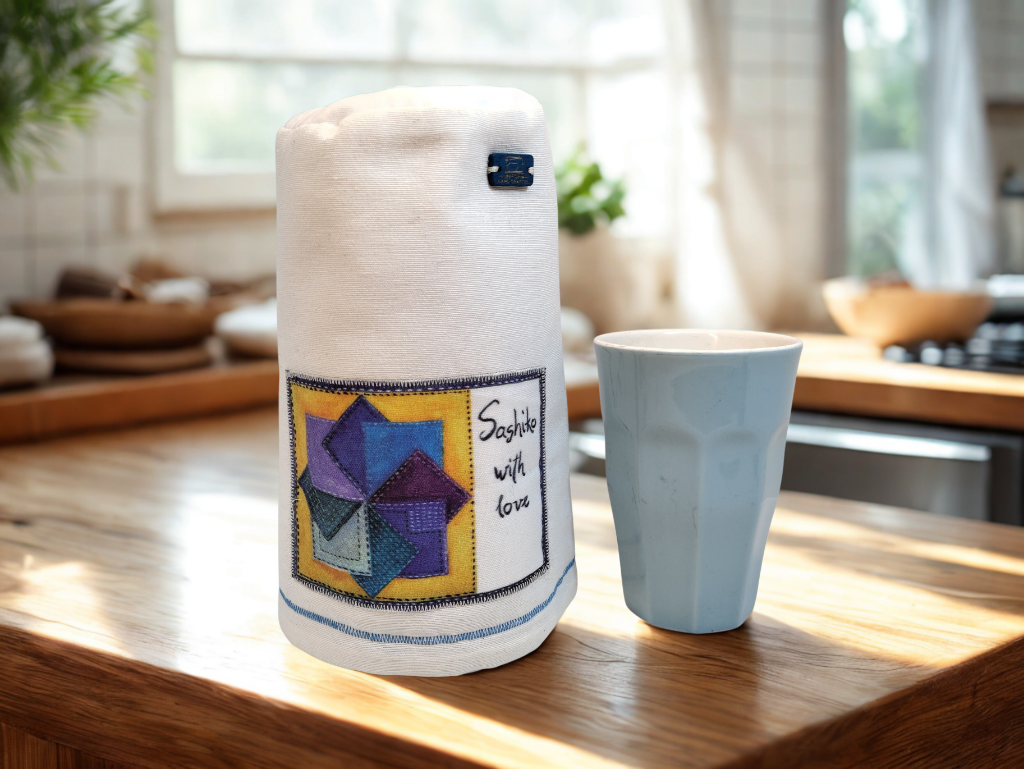
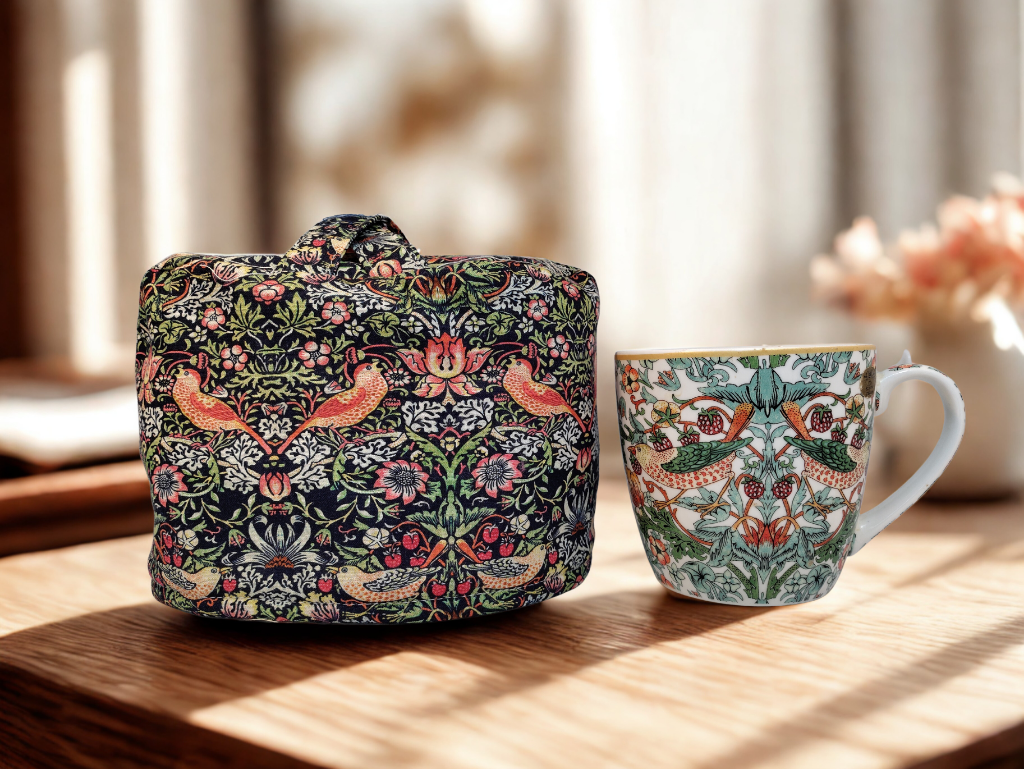
My sister and I have re-invented large family tea-pot cozies for individual use. Why? Because there is time for tea for all family members or colleagues yes, but more often than not we take our brew into our workroom or studio. And there it cools. Thus...we need one-mug cosy-cozies. Enjoy our handmade cozies! Give them to friends, use them yourself. Warmth and brews are precious.
Nonetheless, use that big grandmother cosy-cozy too because when energy is a problem, you need to preserve all warmth you have. Just like an old fashioned hay-box. Use it to keep your one pot dish warm with zero energy costs.
Back and front of this handmade, enthusiastic cosy and here is the article on how to stitch this awesome one from start to finish.
Eco Stoves
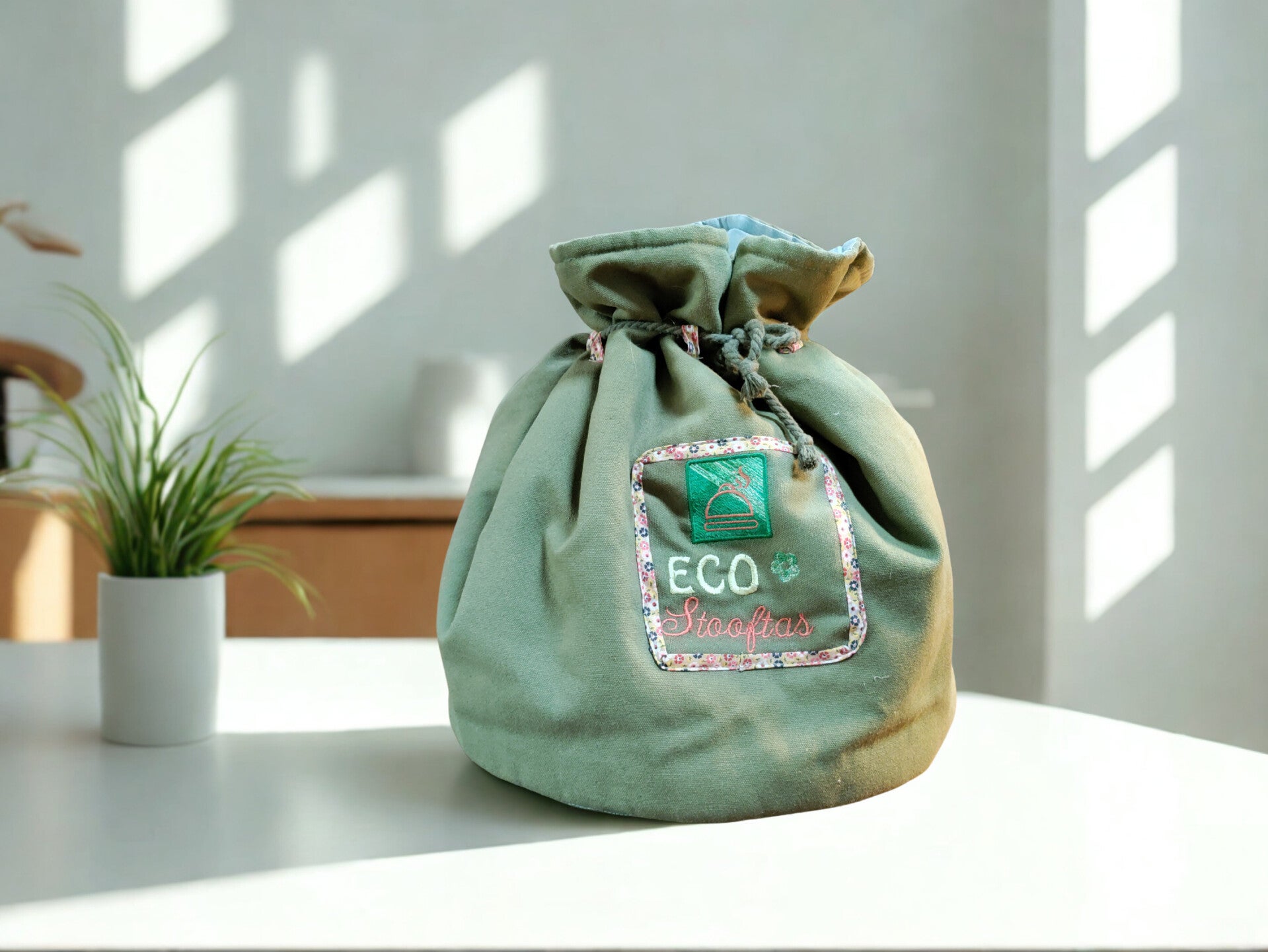
Not only our hot drinks should stay at a nice temperature. So, does our soup or dinner. Here are instructions to sew a fabric pot stove.
Or think of am old fashioned wooden Hay Box. Vintage, budget-friendly preparedness! Like how our grandparents used them. Hay boxes are for sale on vintage sites. One may ask what this has to do with preparing an art-making studio? Perhaps a bit too little. But -still- it is nice when a hay box does the cooking without supervision so that the artist can spend more time making art.
Take Away of this Post
Up-use and re-use, not only second-hand objects, but vintage and even some antique objects as well. Explore your nearby vintage and charity shops to find items that can be useful during times of crisis. Consider essentials for making and preserving heat, dealing with floods, power outages, long spells of cold or wet weather, boredom, and lock downs.
Don't forget to stockpile the essential artist tools you need. For me, it is straightforward: paper and pencils. However, for other creatives, it might include clay, yarn, wool, metal, glue, and more.
Preparing your artist studio isn’t just about survival—it’s about sustaining creativity and comfort during uncertainty. Look for vintage charm, repurpose with purpose, and prioritize what keeps you making art, no matter what.
Paula Kuitenbrouwer
Reactie plaatsen
Reacties