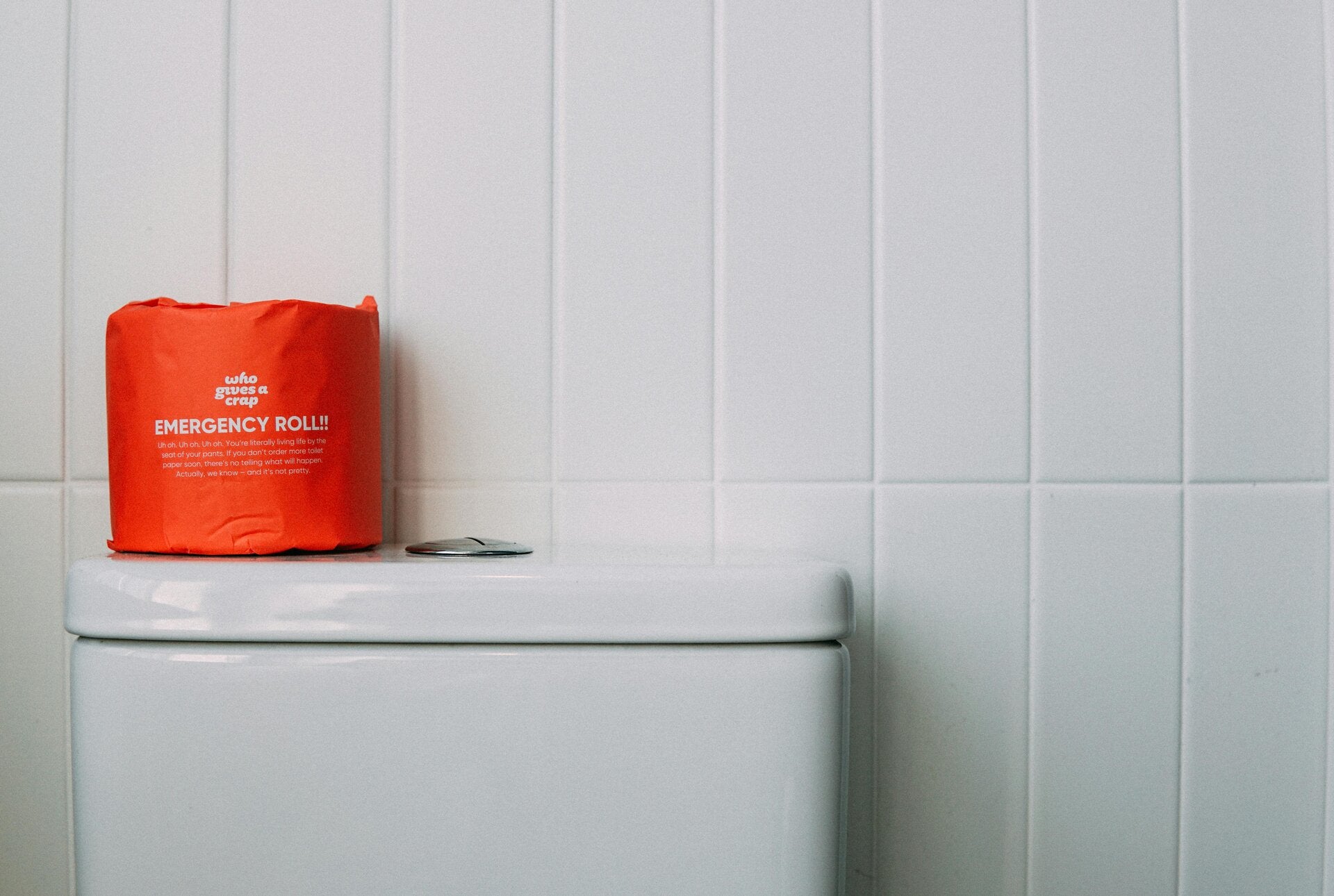
When the Lights Go Out & the Water Stays Down
A prolonged power outage changes daily life in ways few of us anticipate. In a ground-floor home, the first hours are merely inconvenient: no lights, no fridge, no way to charge a phone. But as the hours stretch into days, a quieter problem begins to surface — quite literally. Modern sanitation depends on electricity in ways we rarely consider.
Sewage pumps and treatment stations stop working, and drains that rely on gravity alone may still carry water away — until the network behind them backs up. For those living at the lowest point, the consequences arrive first: water may no longer drain from sinks and toilets, and in the worst cases, wastewater can find its way back up through the pipes, seeking the lowest exit it can find.
This of course is totally unacceptable. Luckily we can prepare for that.
In apartment buildings, the story unfolds differently at every level. A building of five floors without power is not simply a home without light — it is a vertical community suddenly disconnected from everything that made high-rise living convenient. Lifts stand still. Water pressure, maintained by electric booster pumps, fades quickly on upper floors. And when the sewer system fails alongside the grid, a single shared building becomes a shared problem: what happens in one apartment does not stay in one apartment. Drainage from the entire building converges on the same network of pipes, and in a widespread outage, the residents of the ground floor may find themselves at the receiving end of the building's collective plumbing.
None of this is said to alarm. It is said to illuminate — because understanding how our homes behave under pressure is the first, most practical act of preparation.
Those who live on the ground floor benefit from knowing their position in the system. Those who live higher up benefit from knowing that stairs, stored water, and simple, well-sealed sanitation solutions (a dry toilet setup, for instance) restore dignity faster than almost anything else in an emergency kit.
Preparation, therefore, is not about fearing the dark and yuck. It is about making sure that when the systems we lean on go quiet, our households keep humming.
What are Dry Toilets?
A dry toilet is, at its heart, a simple and elegant idea: a toilet that works without water, without plumbing, and without electricity. Where a conventional toilet depends on a constant flow of water to carry waste away, a dry toilet separates the two at the source — solids are collected in a removable container lined with an absorbent material, while liquids are diverted into a separate compartment or absorbed on the spot. The result is remarkably hygienic, nearly odourless when managed properly, and entirely independent of the infrastructure that fails first in a crisis. In everyday life, dry toilets are best known from holiday cabins, allotments, campervans and boats — the very places where people already live happily beyond the reach of the sewer main. In an emergency, that same independence makes them one of the most valuable items a household can have on hand.
Many dry toilets come with granules that prevent stench and dry solids quickly.
How to use a dry toilet?
Using one is pleasantly uncomplicated. Begin by lining the waste container with a sturdy biodegradable bag or a layer of absorbent granules. After each use, a small scoop of the absorbing material — wood shavings, coconut coir, or, most effectively, SAP granules (super-absorbent polymers, the same technology found in baby nappies) — is sprinkled over the contents. These granules instantly bind liquids into a solid, odour-trapping gel, which is what keeps a dry toilet pleasant even after days of use. Some households simply keep a bucket of SAP granules and a bottle of water beside their ordinary toilet: with the water off, the toilet bowl itself becomes a dry toilet, lined with a bag and dosed with granules after each use. Waste sealed this way can be stored safely for days in a lidded container until the sewers run again, then disposed of through the normal waste stream — and regular hand hygiene completes the routine.
Where to buy?
Finding one has never been easier, though seasoned travellers are often surprised by how far they have come. We bought a few dry toilets from Japan — a country that has embraced both minimal-design sanitation and meticulous emergency preparedness. But there is no need to cross the globe: European web shops now offer a full range, from simple portable folding models for under fifty euros to elegant wooden composting toilets for permanent use. Search for terms such as droog toilet, cassettetoilet, composting toilet, or emergency toilet kit, and reliable suppliers appear across the Netherlands and Germany — outdoor retailers, camping specialists, and dedicated preparedness shops all carry them. The same shops stock the indispensable companion: tubs of SAP granules, often sold as toilet granules, sanitation gel, or absorber for camping toilets. Buy them before you need them — like all quiet heroes, the dry toilet is at its very best when nobody notices it has been saving the day.
Be smart and have 3 to 8 days of food ready. Be even smarter: have your personal (and communal hygiene sorted out as well.
Be positively prepared! Even if your won't use your dry toilet in the next decade, it is very smart to have one, especially in homes and apartments that have only one waste closet.
~ The Positive Preparers~
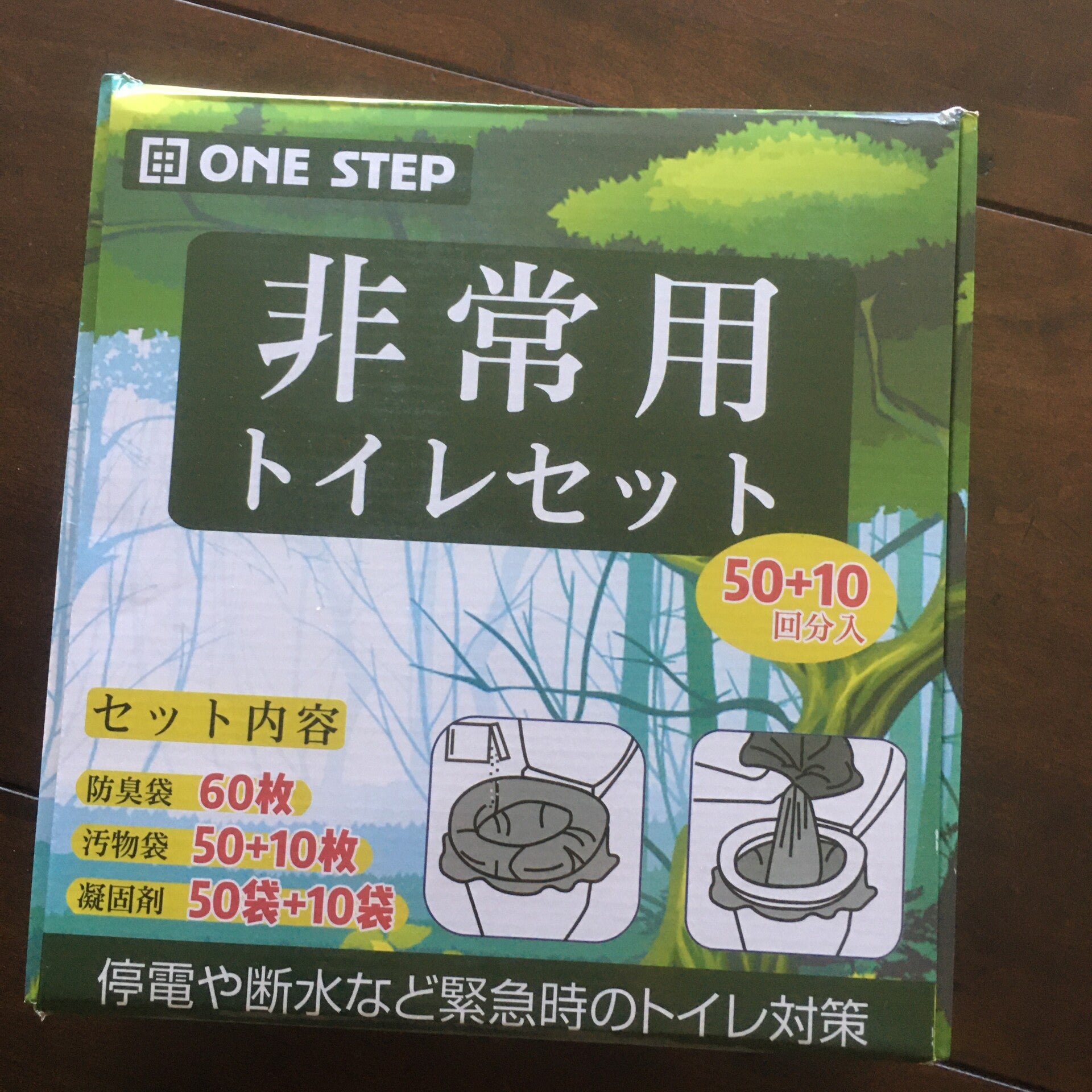
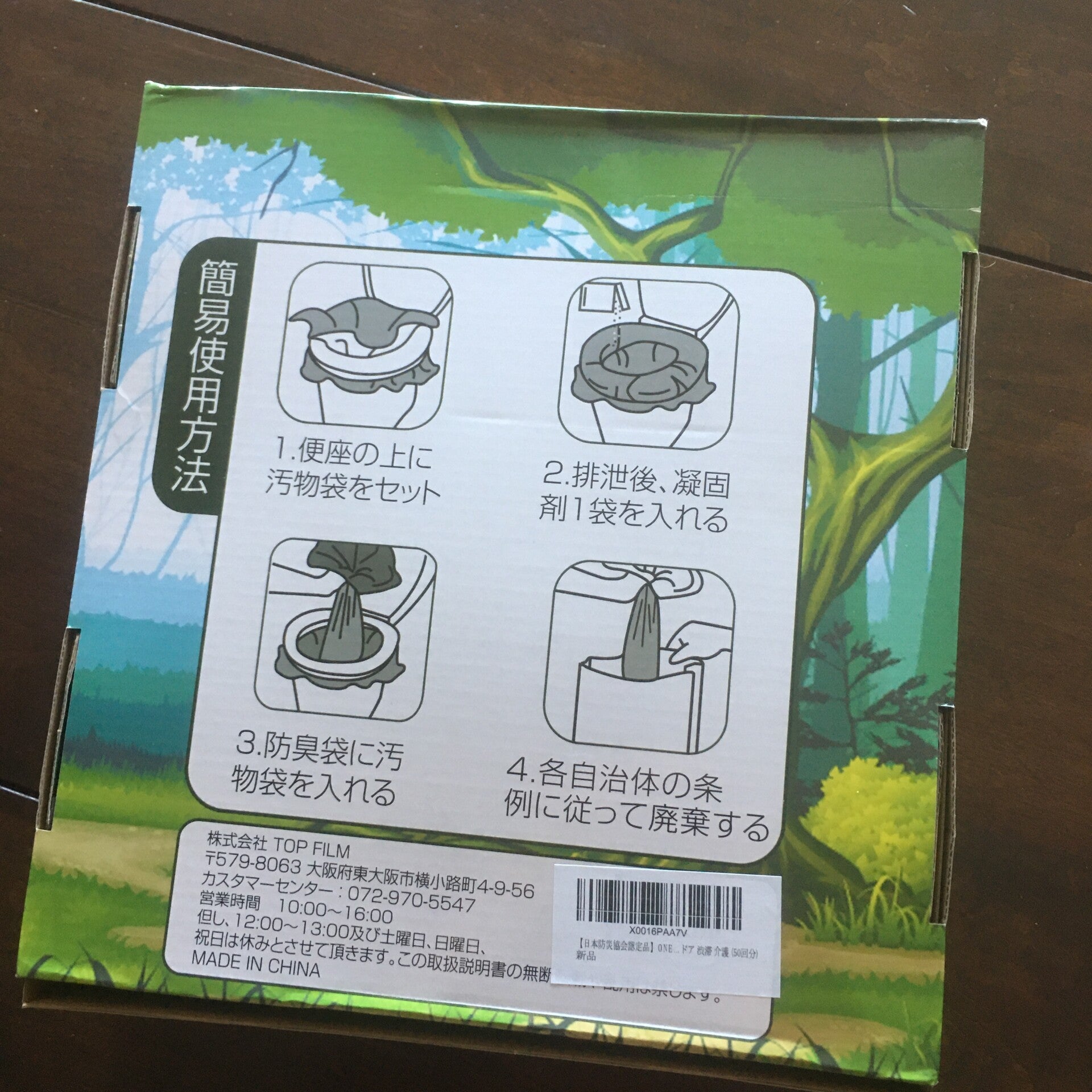
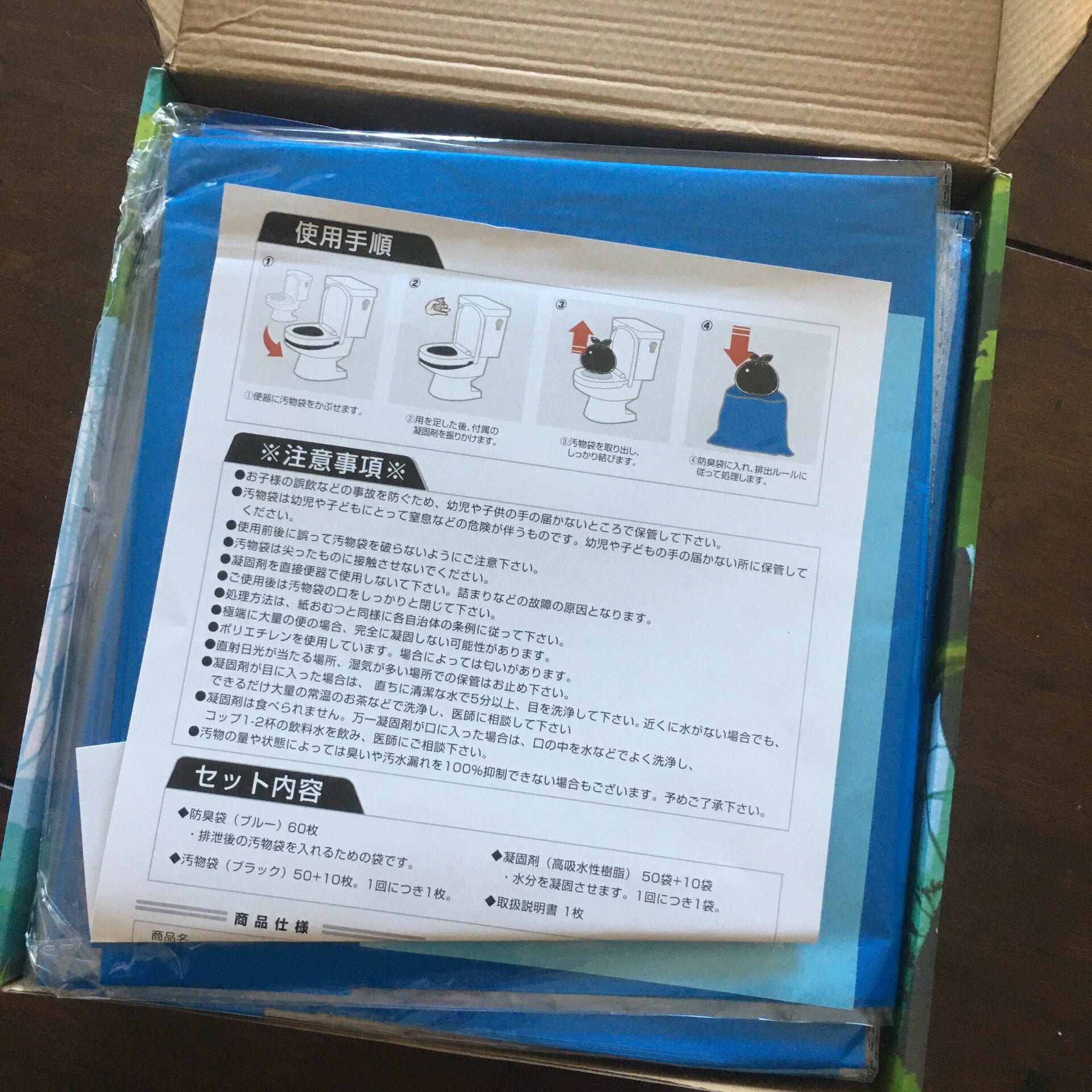
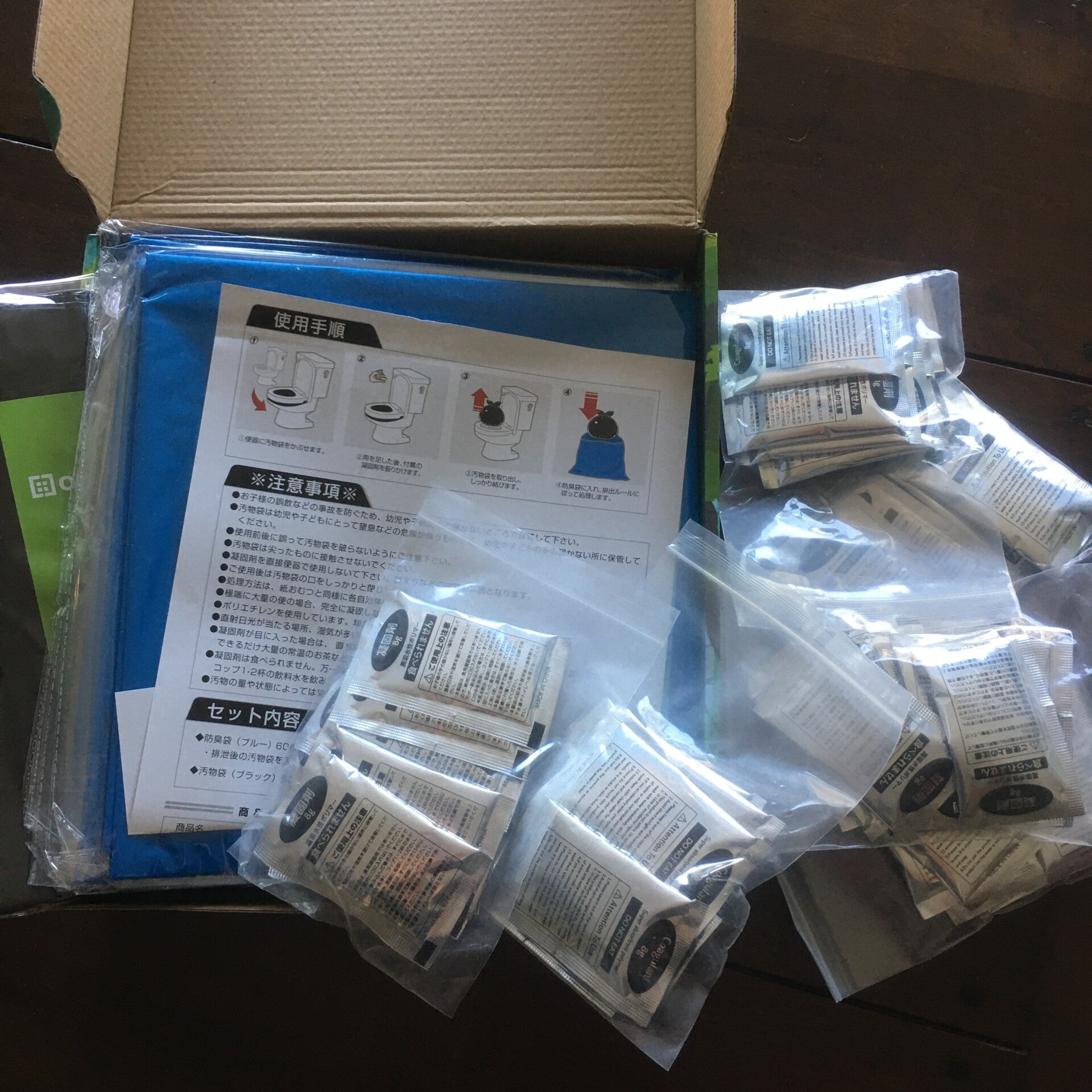
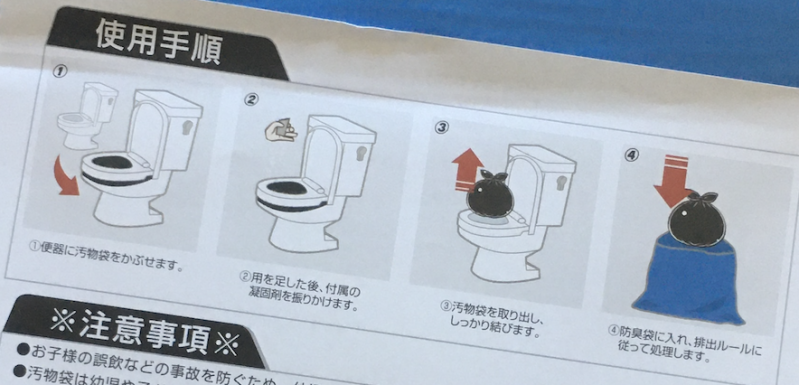
You do not need to know the Japanese language to understand the instructions: fold a plastic bad inside the toilet. Add SAP granules (or alternatives), after, you close the plastic bag and tug the black one inside blue one. Then discard it.
Before you do this, close off the toilet with a small sand-bag or SAP granules in strong cotton bag. Never add the SAP or other absorption granules, sand, or cat litter granules directly inside your toilet without putting it in a bag that removes it easily. You do not want to block your toilet for ever.
Amazon (.nl / .de)
Search terms that work well in the EU stores:
- "emergency toilet kit" / "nood toilet" — complete kits (bucket + bags + granules)
- "toilet powder" / "sanitation gel" / "Pee powder" — e.g. the Wenge Super Absorbent Solidifier type sachets (lemon-scented, eco gel)
- "composting toilet" / "dry toilet" — for the more permanent versions (TROBOLO and similar brands are strong in this segment)
- "Cleanwaste GO Anywhere toilet" — a well-known foldable emergency system with waste bags
Add comment
Comments