
What is the Problem?
The problem with the question of what to store inside your Preparedness Cabinet is that there are many options. Handmade Luxury Home will help you decide what you can store best.
What is the Solution?
The solution to the question 'what to store in your Preparedness Cabinet' is looking at your home. Forget all websites, all folders, just look at how you live, eat, and how your storage cabinet works.
What is the debate?
There are two different theories on which food to store for building more resilience in times of hardship and calamities.
1. What to store depends on how much money you like to invest and whether you like to be prepared for the next year or the next 10 years. The expiry dates of many products do differ enormously. The future-proof the expiry date, the more you pay.
2. What you store also depends on how much room you have. If you have a small preparedness cabinet, it would be better to store water and freeze dried food that comes in small packages and take up little space. If you have 2 or 3 shelves available: why spend so much money on expensive high-caloric camping-survival food when you can regular tins or normal packages of food with expiry dates that cover your needs for 1-maybe 2 years? Or maybe even more?
The Most Important Rule for Choosing
At Handmade Luxury Home, we’ve tested two principles:
- Store what you eat.
- Store (more expensive) freeze-dried survival, trekking, camping, or even military-grade food.
We’ve invested in both and eaten both to see whether the food from principle 2 was compatible with our food sensitivities. The findings were mixed. Some military-grade food tasted… well… not bad, but not wonderful either. Some freeze-dried camping food was so delicious that we started treating a lack of energy to cook a proper dinner as a calamity. 😊
Some foods were wonderful but also very spicy or garlicky. Others caused tummy upsets. Our tests were therefore very important—both logistically and financially—because you don’t want to store food that doesn’t agree with you.
Store what you eat, but first test it!
Whether you store food that is on your daily menu, food that is compatible with your dietary restrictions or preferences, or SOS food, make sure you test the food that you put in your Preparedness Cabinet. Give it a go. Be creative with it: add the powders to your cereals. Make 'milk' with protein powders. Make muesli from dry soy-bars...give it a thorough text and ask you family members to grade it.
Use big stickers with Expiry Dates
Your storage shouldn’t look alien. It should look inviting (including cute paper towels).
Use stickers for big expiry dates on the items, and make sure you eat everything before it expires—and, of course, add new items.
Have enough for 72 hours for your family and pets: that’s 3 days of water and food.
Add tea, coffee, biscuits—everything to make eating and drinking tea together look as normal as possible. When a calamity strikes, there’s already enough stress. You want breakfast, lunch, dinner, and the in-between tea or coffee breaks to be moments of stress relief. You want maximum comfort from food that your system can handle easily.
Don't forget Bars, Cookies, & Enzymes
Add chocolate or high energy bars, cookies, and if your need them digestive enzymes to your storage. If your family members are like scavenging rodents, store the yummy stuff out of sight.
Don't forget to add tea, coffee, matcha.
What did we test?
We’ve tested:
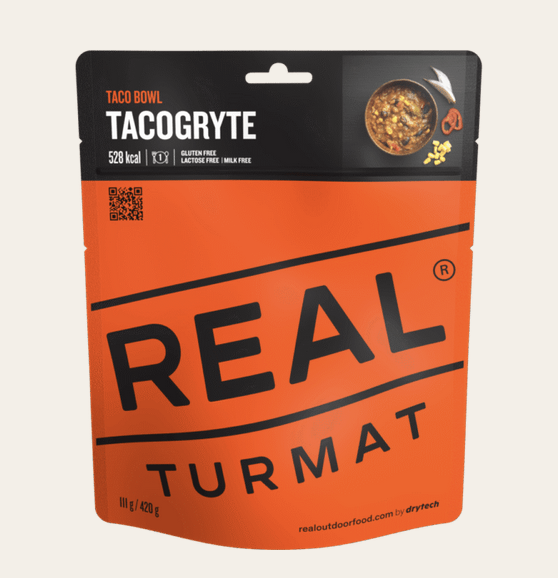
- Real Turmat (Norway): Spicy and garlicky, but very tasty.
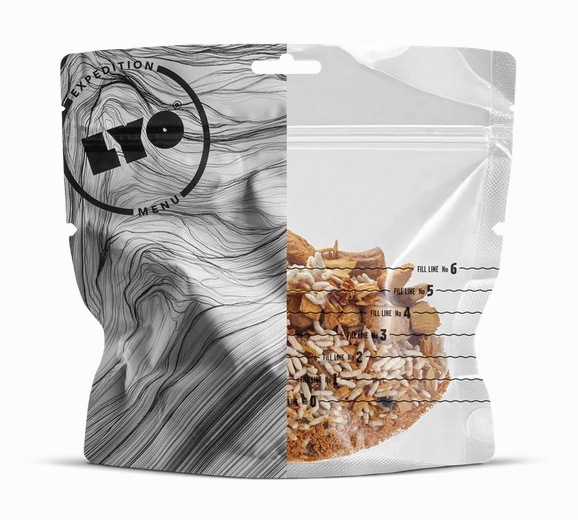
- Lyo (Poland): Awesome food.
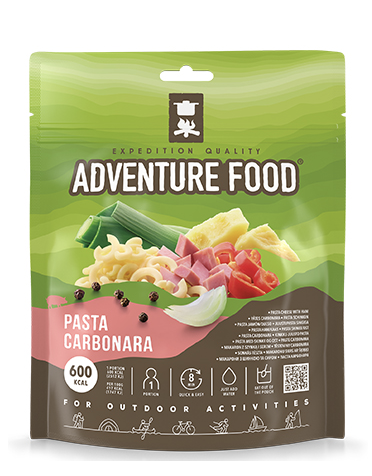
- Adventure Food (Netherlands): Very good, slightly less tasty than Real Turmat, but also a bit less expensive.
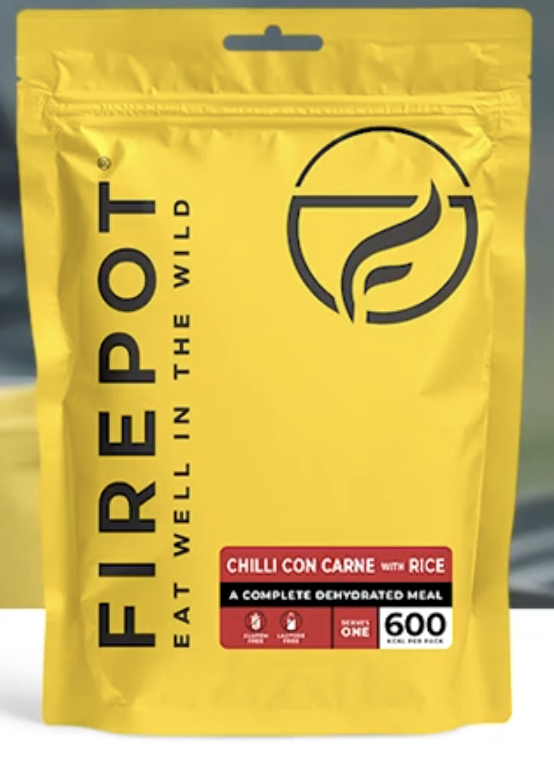
- Firepot (UK): Good and tasty.
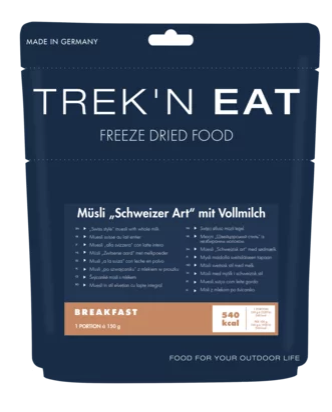
- Trek’n Eat (Germany): Good and tasty.
Real Turmat is the winner of our tests, but you have to eat it together due to the use of garlic!
Freeze Dried or Regular Storage?
Investing in freeze-dried camping or survival food is easy, but of course, it does require an investment. You can store the packages in a shoe box and note the expiry date on the top. Then you can take your mind off your storage for—probably—at least a full year, or even longer.
Investing in regular packages of rice, beans, etc., is less expensive, but you have to rotate your storage: eat it and replace what you’ve eaten. This means you become an active logistics manager of your Preparedness Cabinet.
Of course, you can also prepare by doing both. That’s the option we’ve chosen: we have packages of camping/survival food alongside tins, chocolate bars, protein powders, and large packages of water.
If you’ve tested brands that aren’t listed, please add them in the comment section. We’re always willing to go into test mode again.
— Your Handmade Preparedness Team
Add comment
Comments