What do Charlotte Mason, a timeless Victorian education reformer, Handmade Luxury Home, and arts & crafts education have in common? Quite a lot, and this article explains what.
WHO WAS CHARLOTTE MASON?
If Florence Nightingale was the pioneer of healthcare, then Charlotte Mason (1842–1923) was the same for education: a caring and visionary reformer. But who was Mason, and why is her vision so timeless?
Charlotte Maria Shaw Mason was born on 1 January 1842 in Bangor, North Wales, as an only child. When she was 16, her mother passed away, and a year later, her father died as well. Charlotte was sent to teacher training college, where she earned her teaching certificate. Over the following years, she developed her educational ideas. Mason later moved to Chichester, where she began to see the connection between upbringing and education. Parents, she believed, needed to be more involved in their children’s learning. She gave lectures on this topic, which were later published under the title Home Education. Upbringing and education, she argued, were inseparable.
In 1891, she relocated to Ambleside, where she trained governesses. She lived to the age of 81. After her death, her training centre in Ambleside became the Charlotte Mason College, which no longer exists today. Yet, Mason’s educational philosophy continues to attract significant interest, particularly in Europe and the United States. What makes her vision so special? And what can a Victorian, unmarried, childless woman teach us about education and parenting?
EDUCATION IS AN ENVIRONMENT, A DISCIPLINE, AND A LIFE
Mason embraced a broad definition of education. Education, she said, is “an atmosphere, a discipline, a life.”
An Atmosphere
Education is an environment. What did Mason mean by this? A child grows up in an environment, and learning takes place within that environment. Education, therefore, is not synonymous with school. Students learn within a family, outside the family, in a village, a city, on a farm, within the walls of a school, a museum, a sports hall—and, above all, in nature. Children and young people acquire knowledge, rules, and behaviours everywhere. Learning is, therefore, an environment. Mason defined this educational environment as far broader than the confined space of a classroom.
At Handmade Luxury Home, we wholeheartedly agree with Charlotte Mason’s idea that education is an environment. We belong to the generation for whom “handicrafts” and “textile classes” were embedded in our primary and secondary school years—and to this day, we are grateful for it. Craft classes felt different: more relaxed, more creative, and more nourishing. They taught us skills we still use today. These lessons complemented what we learned at home from our fathers, brothers, sisters, and mothers—how to handle a hammer and nails, thread and needles.
A Discipline
“Education is a discipline,” Mason believed. By discipline, she meant proper upbringing through instilling good habits and behaviour. The more good habits a child develops, she argued, the better their life will be. Simple courtesies like saying “thank you” and “sorry” earn respect. Equally, Mason stressed that a teacher should have respect for the child.
Mason’s vision of education fits well in today’s world, where good behaviour is increasingly called for. Consider unsafe schools where a small group of troublemakers ruins the learning environment for well-intentioned students. Mason struck a balance between allowing freedom in early childhood and exerting the right amount of authoritative influence from teachers and parents. Freedom, Mason argued, is the result of good guidance—not the consequence of an unchecked nature.
Returning to arts and crafts: in any form of apprenticeship, whether as a master or student, there must be mutual respect between teacher and learner.
LIVING BOOKS
How did Mason’s vision take practical shape? One of the most striking and well-known aspects of her approach was her love for “living books.” Mason preferred meaningful books over dry, fact-oriented textbooks that offered students neither reading nor learning pleasure. What defines a living book? It is written by a passionate author who uses a narrative or engaging style that conveys enthusiasm for the subject. Living books nourish students with stories, ideas, and noble thoughts, Mason believed.
A living book sparks curiosity, even in subjects the student initially has no interest in. Why? Because the book respects the reader. It does not send the subliminal message: “You are ignorant, and I will teach you.” Instead, it challenges the mind, provokes thought, asks questions, and inspires the student to ask their own. It is up to parents, teachers, and students to seek out living books.
To treat the visitors of this arts & crafts website, we’d like to highlight a few living books relevant to our craft. (See sidebar for arts & crafts book that we recommend)
SKILLS
Of course, Mason also emphasised skills such as spelling, grammar, and writing through dictation. A student would study a text (or a few sentences), after which it would be dictated sentence by sentence. Using these texts, words, grammar, spelling mistakes, and sentence structure would be discussed. This kept spelling contextual and allowed immediate attention to handwriting practice. But it didn’t stop there. It was far more interesting to copy and discuss quotes like “Veni, Vidi, Vici” or “Cogito, ergo sum” than “The teapot is on the table.” Mason integrated history, geography, language, and literature in this way.
Or take a sentence like: “Real silk is produced by silkworms, while polyester is derived from petroleum-based plastics.” This single sentence combines science, environmental studies, and textile knowledge.
Art, music, and poetry were also key components of the Mason curriculum. And we at Handmade Luxury Home think teaching art to young students is wonderful. Art was taught by having students study masterpieces. One of the five school afternoons was always spent outdoors for nature study, sketching, and introducing science in a direct, hands-on way. Mason loved placing students in nature. Nature, she said, is the greatest teacher of all. She had her students create Nature Notebooks.
MASON’S INNOVATIONS
Mason founded a girls’ school and advocated for education for all—boys and girls. This was progressive for her time. She wanted to educate the whole child as holistically as possible. The “life” aspect of her motto—“Education is a life”—deserves further explanation.
Mason did not mean that education is life in the sense that a child learns automatically. While children do learn daily through intrinsic motivation, Mason placed great responsibility on parents and teachers. Students learn when they are given ideas to ponder and thoughts to nourish. Ask them the right questions to stimulate their young minds. Tell them fascinating stories to spark curiosity and a love of learning. Bombarding students with dry facts is insufficient. Just as a child must be fed with food, parents and teachers must also nourish their students cognitively. Life and learning are interconnected, Mason believed.
MASON’S REVIVAL
Mason wrote many books, lived for a time on the proceeds of five geography textbooks she authored, and gave numerous lectures. She also founded the Parents’ National Educational Union (PNEU) and served as editor of the monthly magazine The Parents’ Review. She taught parents and, in addition to a girls’ school, established several primary schools. These were remarkable achievements for a woman of her era.
Teachers and parents are rediscovering Charlotte Mason. Her approach is exceptionally child-friendly. Every teacher and parent can see for themselves how living (educational) books accelerate the learning process. Educators also recognise the importance of nature studies and emphasise the value of learning crafts. For the connection between mental well-being and “keeping your hands busy with crafts”—whether through note-booking, handicrafts, crochet, or knitting—there is now a wealth of positive research supporting this.
Mason’s educational philosophy is a practical vision that can be adapted to any school, family, or student. How much “Mason” you incorporate will vary from school to school, country to country, and family to family. For Mason, education was a means to an end—and that end was not a successful exam, but a happy, balanced student with good habits and a lasting love of learning.
We agree
We wholeheartedly agree. Should you call Handmade Luxury Home an ode to Charlotte Mason, who championed education for girls and highly valued crafts, nature, and living books, we would be pleased. The skills Mason advocated are skills that, in our experience, last a lifetime and truly bring happiness.
Paula Kuitenbrouwer
Marga van der Vet

Charlotte Mason at a young age

Charlotte Mason later in life

The relaxation and fun of crafts classes can't be underestimated. 'I still remember my art classes at a young age' (Paula Kuitenbrouwer)
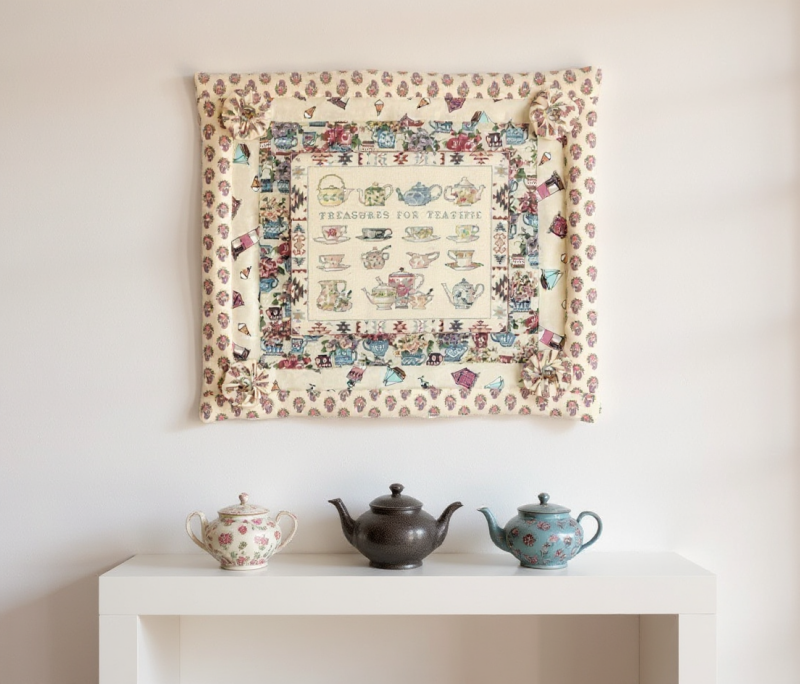
A restored and embellished wall decoration featuring a tea-themed sampler, crafted by an unknown embroidery enthusiast. Restored and embellished by Marga van der Vet.
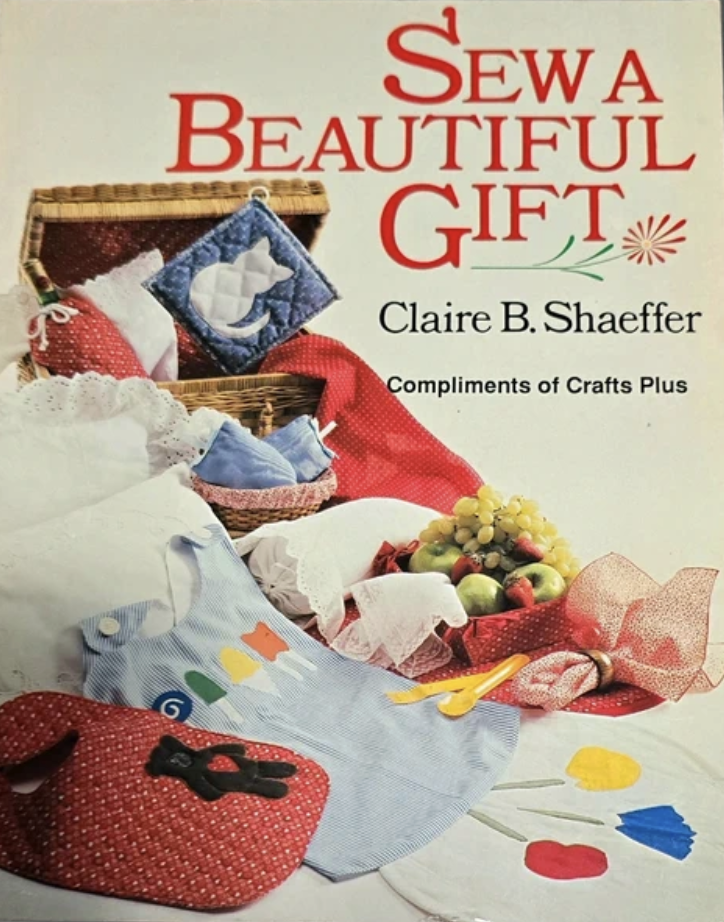
No need to advocate for the famous Claire Shaeffer and her textile crafts. Her book is for sale here.
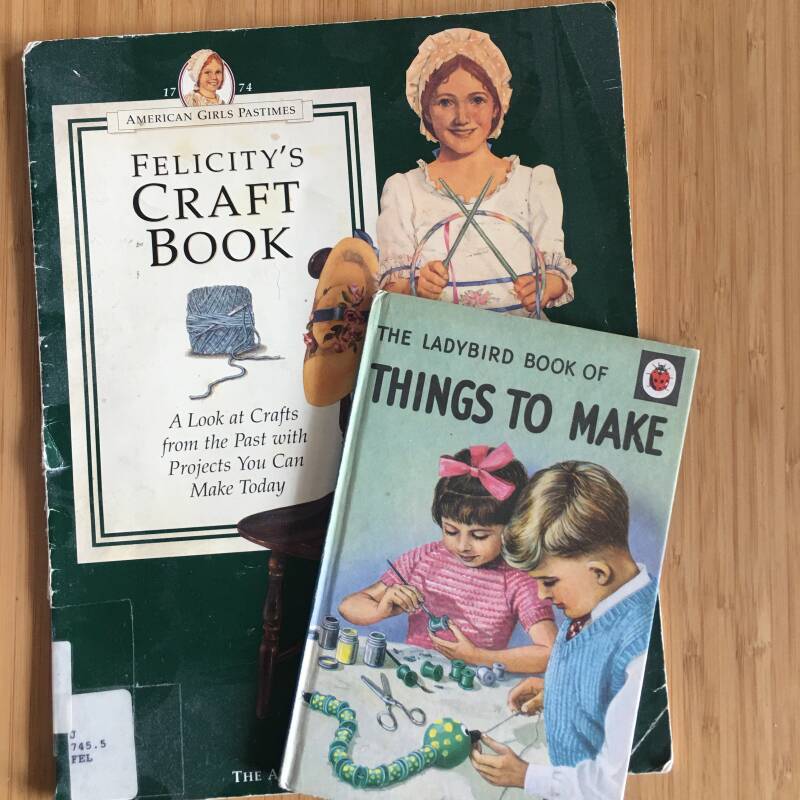
Old vintage craft books often make use of recycled materials. These are lovely books. Hunt for them in secondhand bookstores.
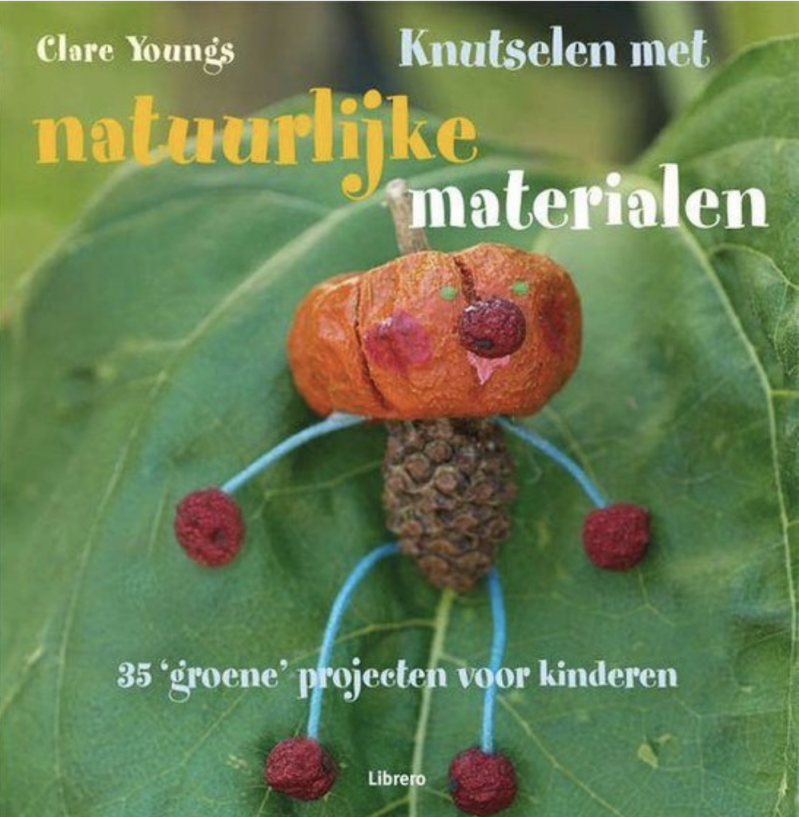
Have children first collect crafts materials during their nature walk and then utilize them for educational craft hours.
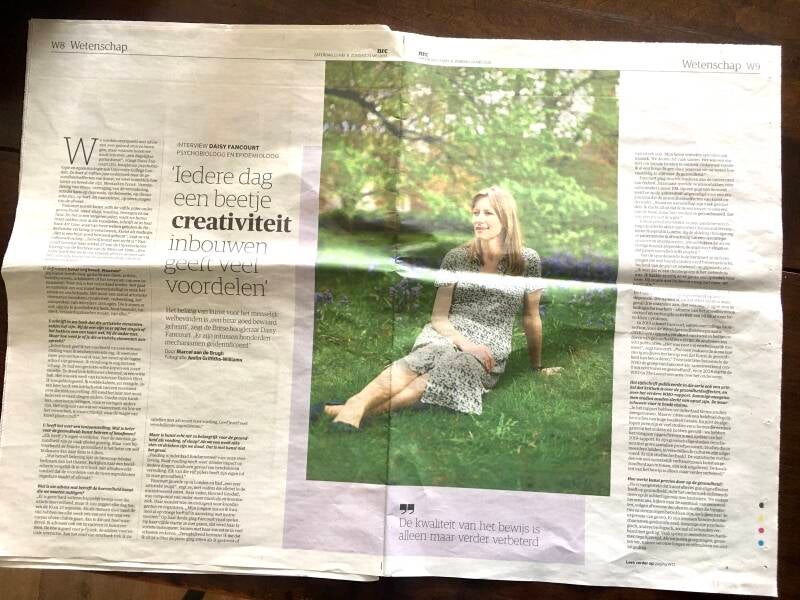
I read an interview with Daisy Fancourt on Creativity and Health in the Dutch newpaper NRC, Saturday 23 Mei edition.
Daisy Fancourt, Professor of Psychobiology and Epidemiology at University College London, highlights the profound yet overlooked benefits of creativity for human well-being. Despite 15 years of research, she notes that the importance of art for health remains a "bizarrely well-kept secret". Of course, we at handmade Luxury Home agree! We even go so far as to that having a creative studio feels as good -perhaps even better- than a holiday!
Fancourt emphasizes that incorporating small, daily doses of creativity—whether through painting, music, writing, or crafting—can yield significant benefits for mental and physical health. While society is flooded with advice on healthy eating and exercise, Fancourt questions why we rarely hear about the need for a "daily portion of art". She argues that creativity should be treated as a vital component of well-being, akin to nutrition or physical activity.
Her research demonstrates that engaging with art—whether actively creating or passively appreciating—can reduce stress, improve mood, enhance cognitive function, and even boost the immune system. These effects are wide-ranging and scientifically supported.
Fancourt encourages people to trust their instincts about what kind of creativity suits them. She stresses that small, consistent efforts are more effective than sporadic, intense bursts of artistic activity.
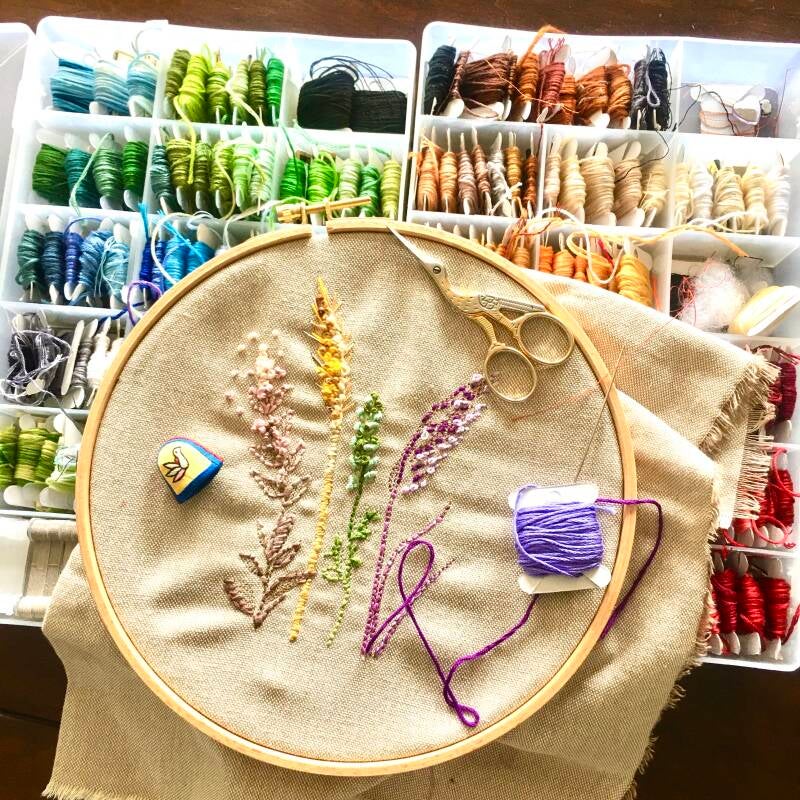
Even if I have a day in which art is pushed away....I can still -even with artificial light- do a bit of needle painting with yarn before going to sleep. It sooths my soul and I am sure it helps me falling asleep better.
Read on....
At Handmade Luxury Home, Marga and Paula -founders of HLH- share the same roots but have lived diverse lives across continents. Our passion for writing about our artisan lives and craft-making runs deep, as cultural influences, local nature, and traditions shape our perspectives.
Explore our latest insights and inspirations in these blog posts:
What is the Colour of Matcha?
Pantone Colour of the year 2027, predicted by HLH
Marga van der Vet & Paula Kuitenbrouwer
Add comment
Comments