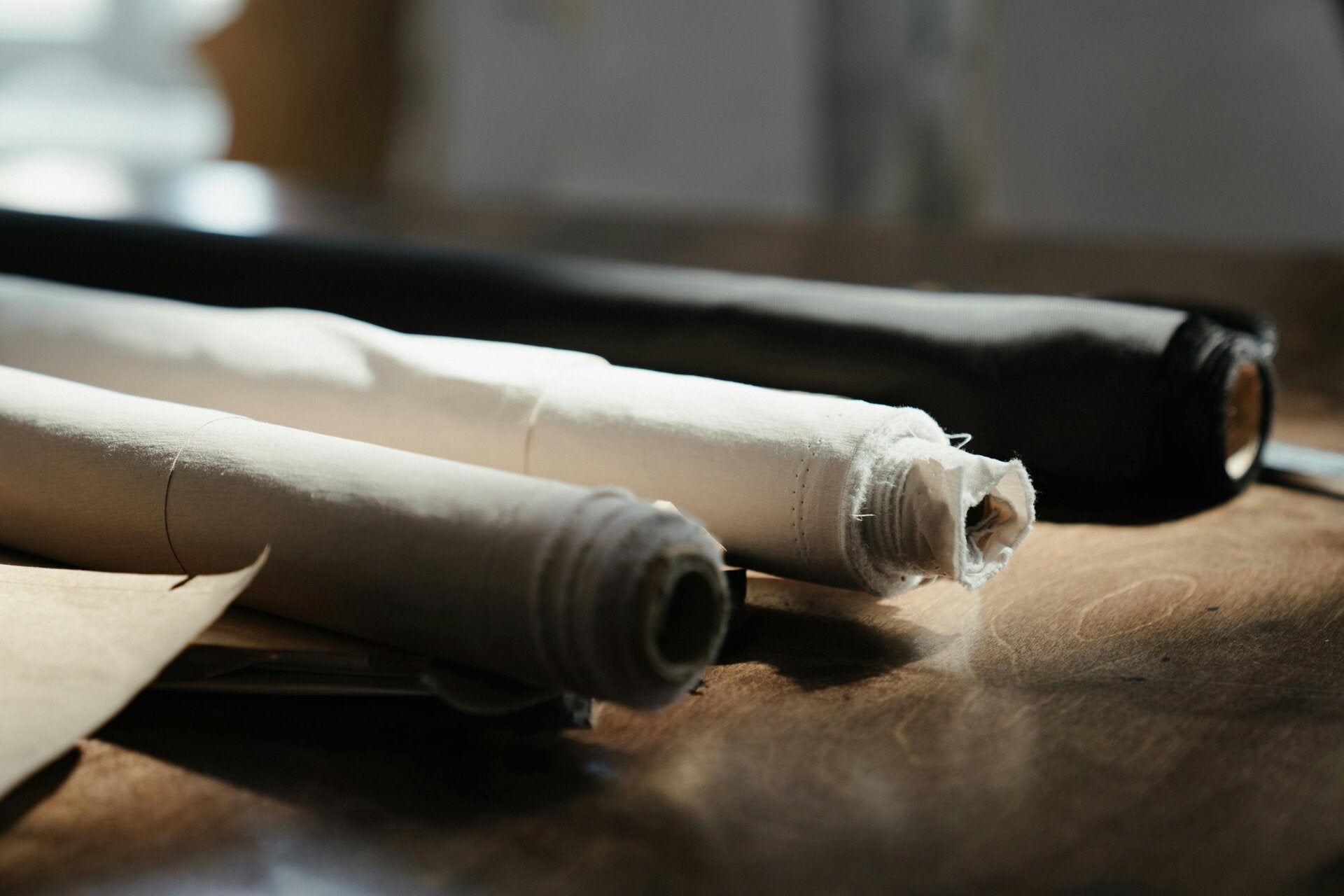

Some people dream of silk. Others swoon over velvet.
I? Well... I sometimes think I'd happily make my lingerie from canvas.
Yes, I know. That sounds completely ridiculous. Imagine trying to sleep in canvas knickers. Not exactly the definition of comfort. But that's how much I love this fabric.
Where did this obsession begin?
I blame the horses!
Growing up around horses, canvas was everywhere. Horse blankets. Grooming bags. Feed bags. The heavy canvas curtain hanging across the stable door during summer, allowing horses to enjoy the fresh air while safely staying inside. It was simply part of life.
Canvas wasn't fashionable.
It wasn't glamorous.
It just worked.
It lasted forever.
It became softer with age without ever losing its strength.
Looking back, I think that's exactly where my love affair with canvas began.

Canvas deserves far more credit
These days, canvas is often overlooked. It sounds old-fashioned compared to all the modern technical fabrics with exciting names and clever marketing.
That's a shame.
Because real canvas—100% cotton canvas—is one of the hardest-working fabrics you'll ever meet.
Mind you, I'm talking about genuine cotton canvas.
Not jacquards pretending to be canvas.
Not decorative upholstery fabrics.
Not Ottoman weaves.
Just honest, sturdy cotton canvas.
It usually comes in solid colours, although printed versions exist as well.
Sewing canvas is strangely satisfying
Some fabrics seem determined to fight you.
Canvas doesn't.
It asks for respect, certainly.
A good sewing machine.
Strong needles.
Heavy-duty thread.
A bit of patience.
But once you've figured it out, it behaves beautifully.
It feeds through the machine with confidence. It holds its shape. It doesn't stretch when you don't want it to. And unlike many fabrics, there's no shiny right side or dull wrong side.
Although... that also means it's surprisingly easy to accidentally sew an entire sleeve inside out.
Ask me how I know.
What can you actually make?
Almost anything.
Canvas shines wherever durability matters.
Think about:
-
shopping bags that survive years of groceries
-
gardening totes that happily carry heavy flower pots
-
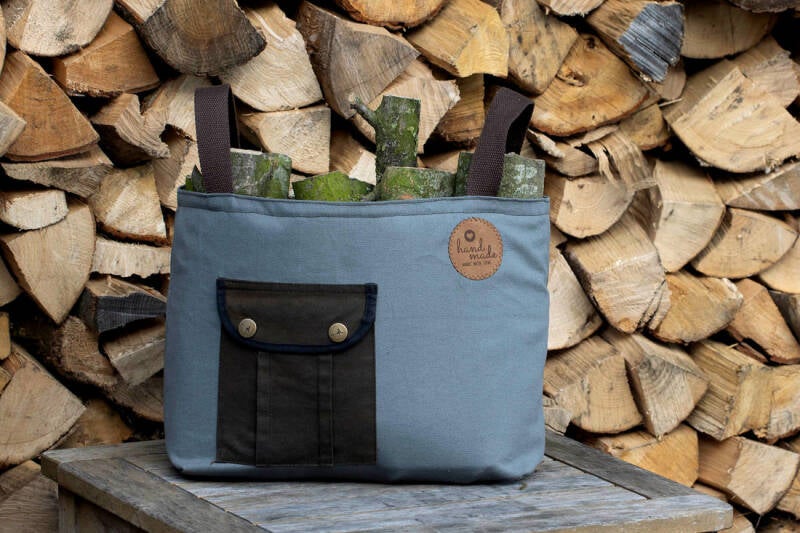
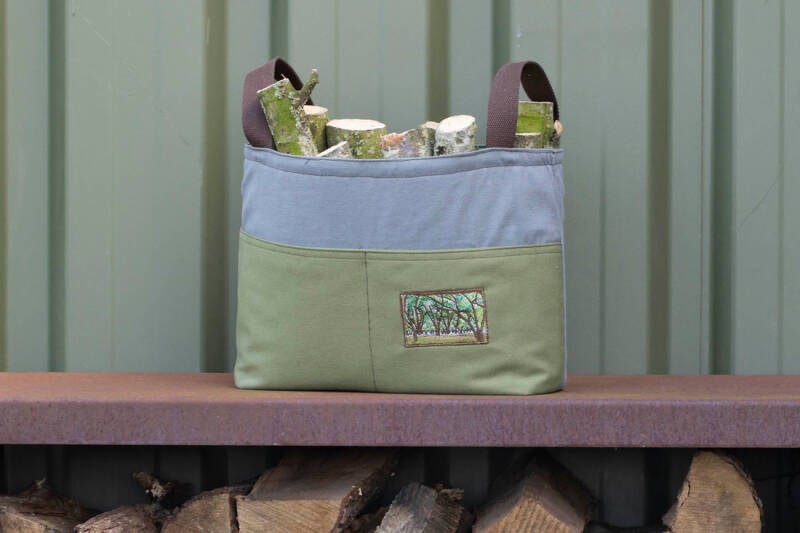
log carriers for cosy winter evenings
-
picnic bags
-
BBQ aprons
-
tool rolls
-
backpacks
-
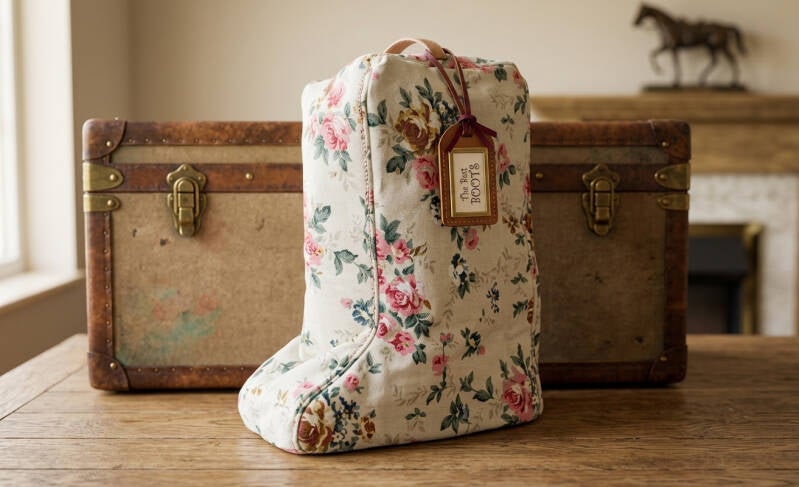
boot bags
-
outdoor jackets
-
historical costumes
-
corsets
-
hats
-
camping accessories
-
cushion covers
-
chair covers
-
dog accessories
-
stable equipment
The list goes on and on.
For my own businesses, canvas has become one of my favourite materials.
For Historique Couture, I regularly use it inside historical costumes where structure and strength are essential. Hidden beneath luxurious fabrics, canvas quietly does its important job without asking for applause.
For Handmade Luxury Home, canvas appears in many practical products that people actually use every day: one-cup tea warmers, sturdy garden-centre shopping bags, log carriers, storage items and many other handmade home accessories.
That's the beauty of canvas.
It's practical.
It's beautiful.
And it refuses to wear out.


Is canvas sustainable?
It certainly can be.
Especially when it's made from organic cotton.
Canvas usually undergoes relatively little processing compared to many modern fabrics. Most versions are simply dyed in one colour instead of being covered in complicated finishes.
Even more importantly, canvas lasts.
Really lasts.
You don't throw away a well-made canvas bag after one season.
You use it.
Abuse it.
Repair it.
Use it again.
That's sustainability in the best possible sense.
Is canvas waterproof?
Strictly speaking: no.
Waterproof? No.
Water-resistant? Only a little.
Because the weave is so dense, light rain often beads on the surface for a while.
If you want genuine outdoor performance, waxed canvas is absolutely wonderful. It develops character over time and gains that lovely rugged appearance that only improves with age.
Personally, I prefer wax over chemical waterproofing sprays. Better for the environment, and frankly, better for your lungs too.
My favourite sewing tips
Working with canvas becomes much easier if you remember a few things:
-
Use denim or heavy-duty needles.
-
Choose strong polyester or extra-strong sewing thread.
-
Wonder Clips are much kinder than pins.
-
If you're adding leather straps or heavy hardware, let your local cobbler install the rivets. Your sewing machine will thank you.
-
Mark the wrong side of the fabric before cutting. Since both sides look almost identical, it's surprisingly easy to confuse mirrored pattern pieces.
-
Most importantly: don't rush.
Canvas rewards patience.
And now... the colours!
This might be my favourite part.
Canvas used to come in what I call the "horse stable palette."
Beige.
Brown.
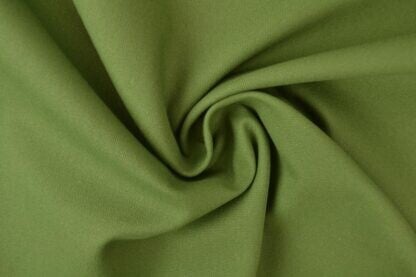
Army green.
Maybe navy if you were lucky.
Today?
Oh my...
Petrol blue.
Soft lavender.
Dusty pink.
Warm taupe.
Deep forest green.
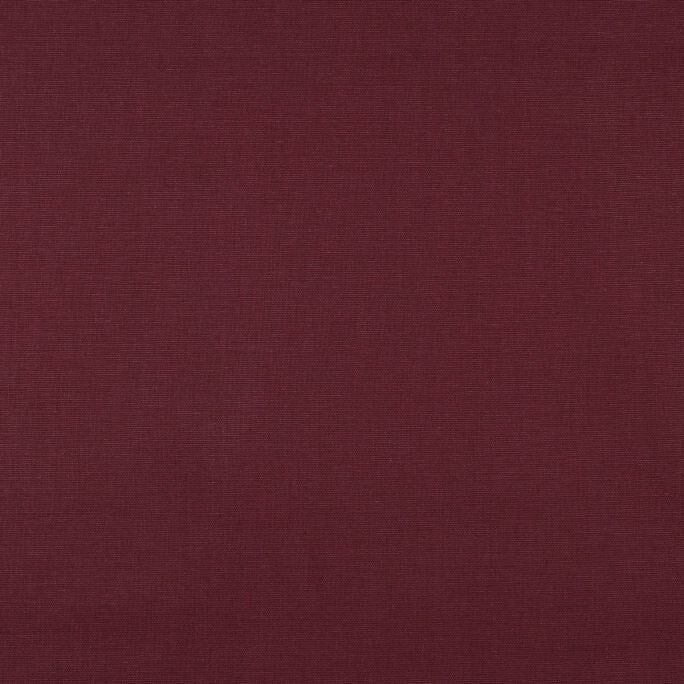
Rich burgundy.
Charcoal.
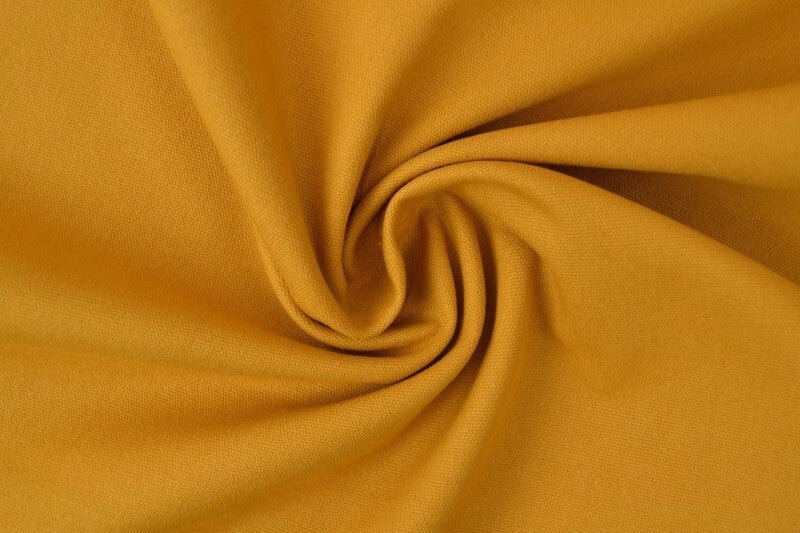
Mustard.
Beautiful earthy neutrals.
The colour range has become absolutely gorgeous.
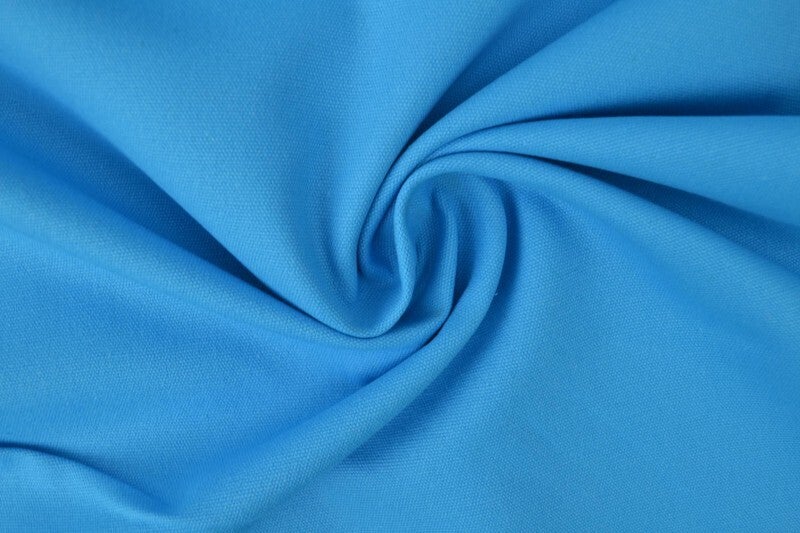

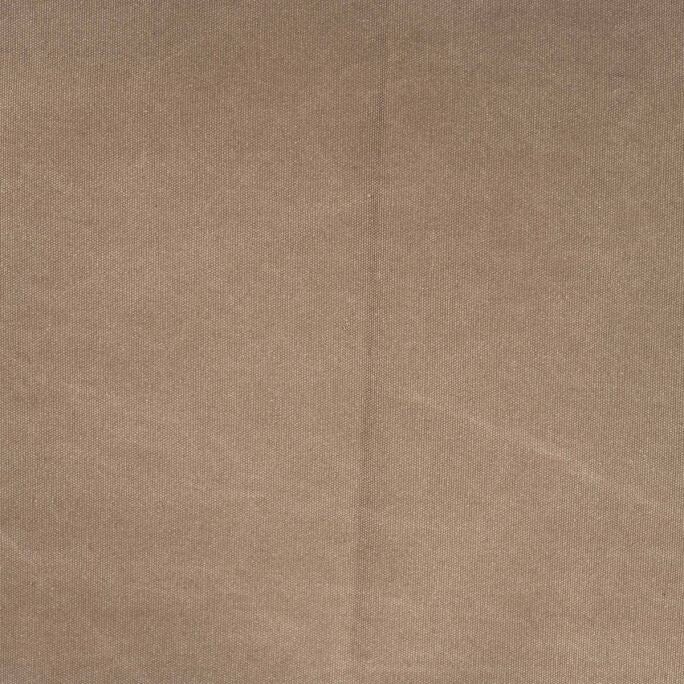
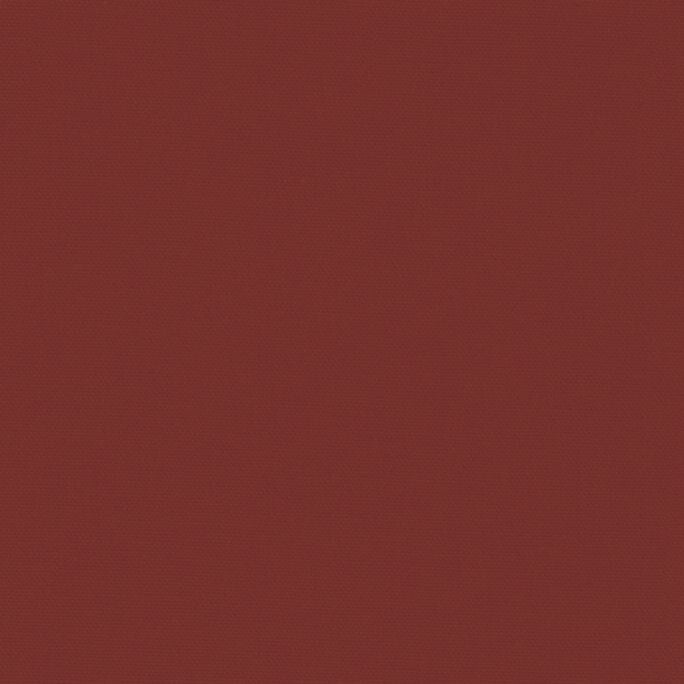
Printed canvas?
Here comes my controversial opinion.
Printed canvas?
Hmm...
Not really my thing.
Canvas should look like canvas.
Honest.
Strong.
Timeless.
A fabric with character rather than decoration.
It doesn't need flowers, flamingos or unicorns to become interesting.
Canvas already has personality all by itself.
I love canvas!
Canvas has been with us for generations.
Long before synthetic miracle fabrics appeared.
Long before fast fashion.
And I honestly hope it never disappears.
It's dependable.
It's incredibly versatile.
It's satisfying to sew.
It grows more beautiful with age.
Perhaps that's why I keep coming back to it—whether I'm making historical costumes, practical home accessories or dreaming up my next project.
Although...
Let's agree that the canvas lingerie idea should probably remain just that.
A dream.
By Marga van der Vet
Sold out:

Printed canvas items I made over the years:
(sometimes a print is just very okay as well...)

Add comment
Comments