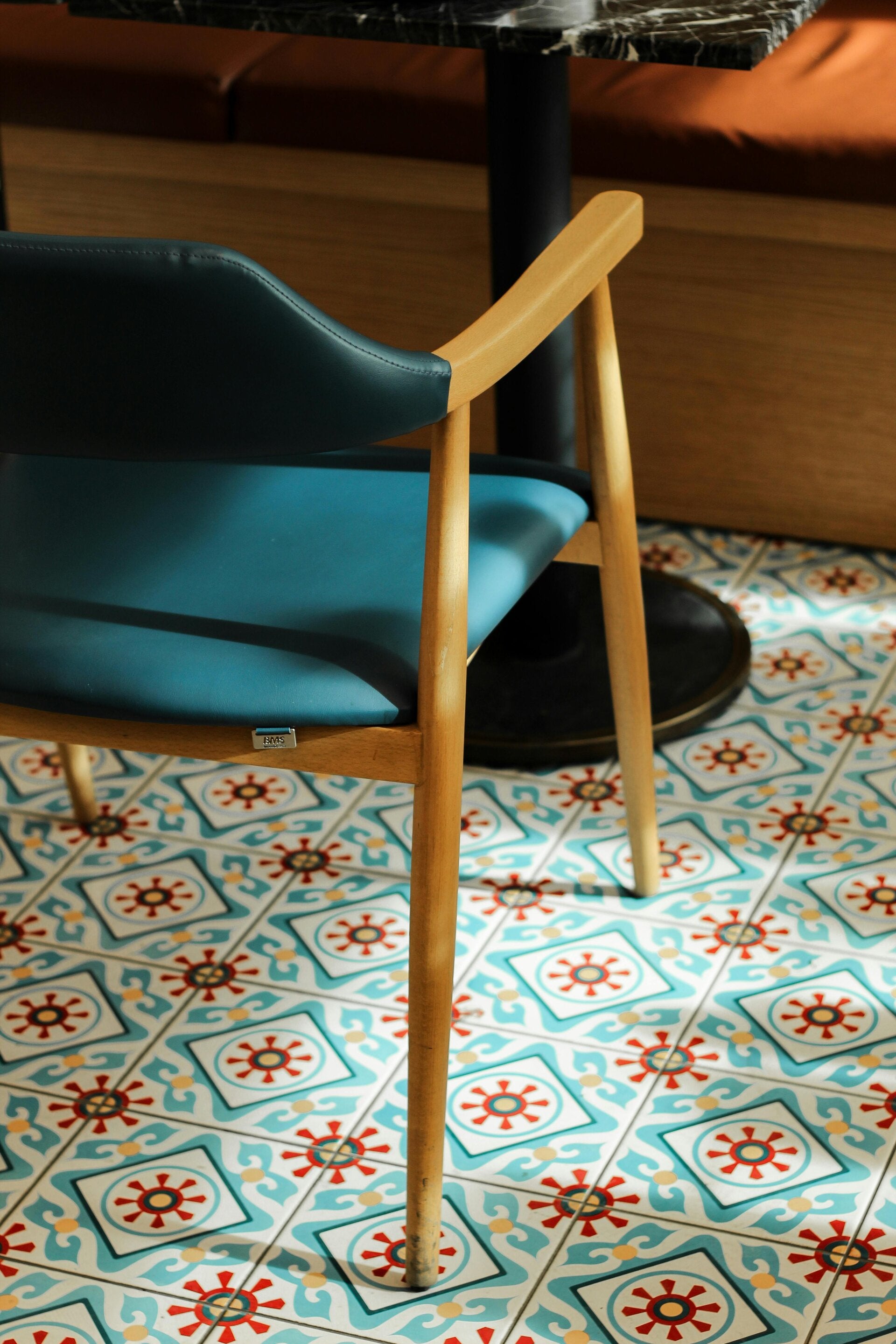
Tiles floors come in all sorts of aesthetics and feel deliciously cool during a hot summer.
How will Heatwaves Change Our Thoughts on What a Good Home is?
By Handmade Luxury Home
Tropical temperatures, heat domes, and heatwaves will change Northern European homes. Where we -in the pre-global warming times- focused on preventing the loss of warmth, keeping the cold, rain and wind out of our micro cosmos, we now feel baked inside our 'ovens'. Applause for all architects having wrapped their brain around the idea of keeping us warm inside our homes, but please step aside. Or re-focus, because we need cooler homes that shelter us from summer heat.

Homes with small windows for conserving heat. They provide little ventilation.
Why the urgency? Air conditioning units, while effective, devour energy and, without regular servicing, can become breeding grounds for fungi, pumping out unhealthy air.
But what and how? We did some brainstorming.
The thought of every home fitted with an air conditioning unit, powered by nuclear plants to keep us—and data centres—cool, feels like a dystopian nightmare. There are better ways.
We don’t need to resort to air conditioning as our first line of defence. There are simpler, more sustainable solutions—ones that won’t add to our energy bills. Of course, these adaptations come at a cost.
History shows us that humanity has always adapted to changing climates. After the Ice Age, as glaciers advanced and retreated, our ancestors adjusted their homes, clothing, and even migrations to survive. Floods, plagues, wars—every catastrophe has forced us to adapt.
At Handmade Luxury Home, we believe in creating spaces where you feel happy and at ease, no matter the weather. So, let’s focus on adaptability.
While our Northern European homes are built to conserve warmth, there are practical, budget-friendly ways to make them cooler without huge renovations. Are we suggesting a few tweaks will magically transform your home into an oasis? No. But doing something is better than doing nothing. As homeowners and artisans at heart—with a deep love for history, literature, and aesthetic living—we’ve compiled three reasonable, low-cost improvements. They may cost the equivalent of one, two, or even three holidays (depending on how lavishly you travel), but they’ll help you sail through tropical summers with ease.
Let’s explore three key areas where you can make a difference: floors, natural ventilation, and French doors.

Apart from wooden French doors looking romantic, they play a key role in temperature regulation.
I. Floors: The Cool Foundation
Tiled floors have come a long way from their humble beginnings as rough, grey natural stone. Today, they boast intricate marble patterns and sleek ceramic designs that suit modern lifestyles. Their smooth, cool surfaces naturally store less heat during summer, making them ideal for warmer climates.
Advances in materials—such as marble and ceramic—now offer scratch-resistant, waterproof options that mimic natural stone or wood with minimal maintenance. For cleaning, we turn to Marie Kondo’s principles in Joy at Work (2020): simple, mindful routines like sweeping away dust and mopping with minimal effort to spark joy in daily upkeep.
Unlike carpets, tiles harbour fewer allergens, promoting a healthier indoor environment. Their hypoallergenic nature and ease of cleaning reduce the need for harsh chemicals, aligning with Kondo’s emphasis on simplicity. Innovations like large-format tiles minimise grout lines, reducing visual clutter and simplifying maintenance.
In Mediterranean homes, tiles’ thermal mass helps regulate indoor temperatures, keeping spaces cooler in summer and retaining warmth in winter when paired with underfloor heating.
You might think tiled floors are too expensive, but consider their longevity and resistance to wear, which make them a cost-effective choice. The shift toward eco-friendly production, using recycled materials, also aligns with mindful consumption.
Tiled floors are practical, beautiful, and timeless—perfect for homes aiming to store less heat.
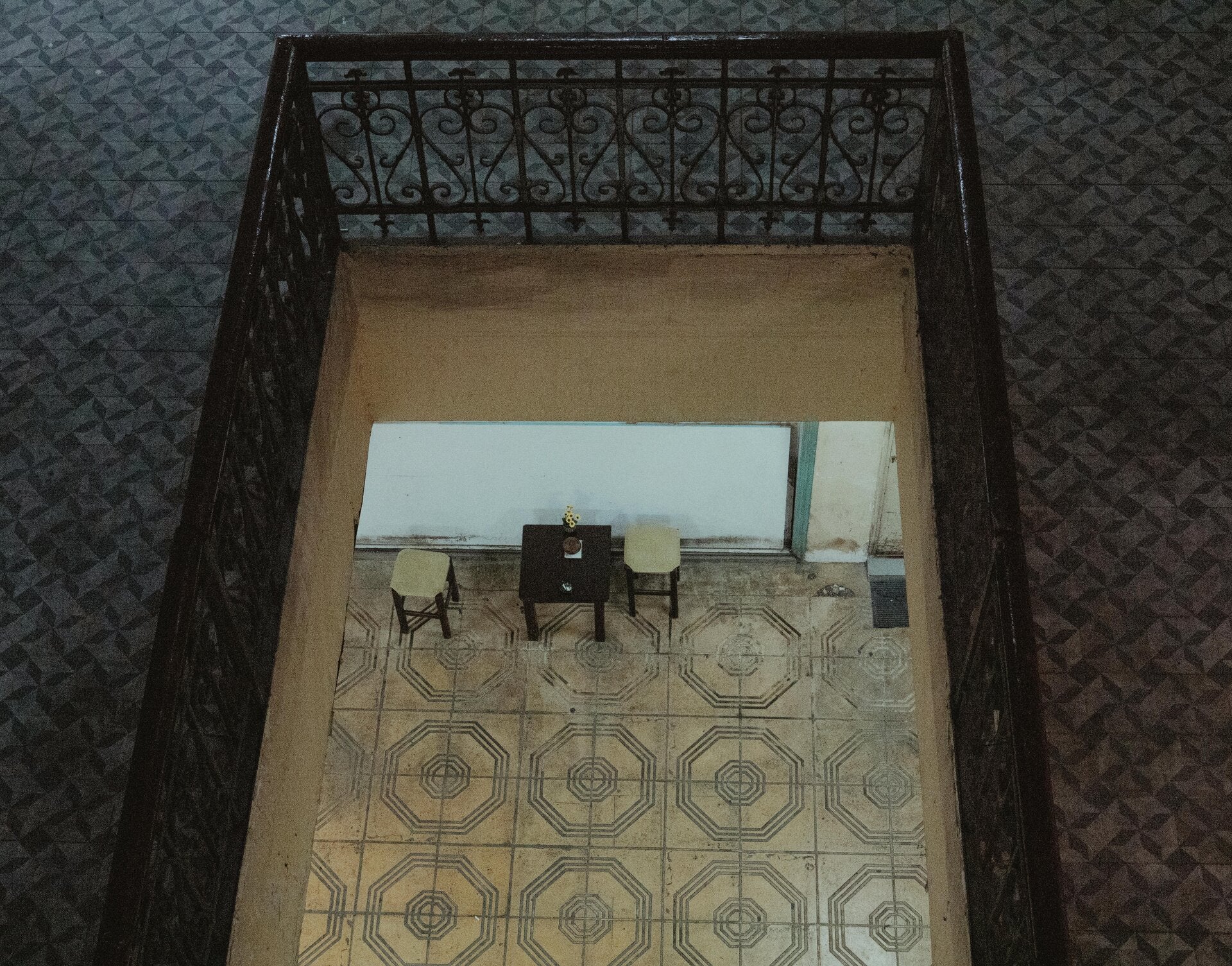
Clever design: open 'chimney's' for natural ventilation and great use of tiles both to keep the building cool and to provide cultural aesthetics.
II. Natural Ventilation: Learning from the Ancients
Ancient buildings in hot regions often featured inner patios, or atria, to regulate temperature through natural ventilation. Ancient Rome’s villas, used central open courts to draw in cooler air while expelling hot air upward. Similarly, traditional Islamic courtyards in Alhambra (13th–14th century, Granada) leveraged wind currents to create a "stack effect," pulling breezes through living spaces.
The Roman domus often included a compluvium—a roof opening above the atrium—that allowed rainwater collection and passive cooling by releasing hot air. These designs exploited the chimney effect: hot air rose through the open patio, creating a low-pressure zone that pulled cooler air in from shaded ground-level openings.
But how can we create a chimney effect in Northern European homes that lack patios or indoor courtyards? We can mimic ancient natural ventilation. We have windows on the ground floor and attic windows. Open the right windows and doors on the cooler side of your home and close most doors on the first (and higher) levels. Once the temperature drops on the ground floor, repeat the process by pulling air in on the first floor and releasing it via the attic.
Remember: hot air rises, cool air falls.
I once lived in a house on a hill. During the day, it could get hot, but at night, the cold air rolled down the mountainside via our open top balcony all the way to the ground floor. This reverse chimney effect is the opposite of what was achieved with Rome’s patios. But it was a chimney effect nonetheless!
It’s all about adaptability. If you need to adjust your natural chimney, do it.
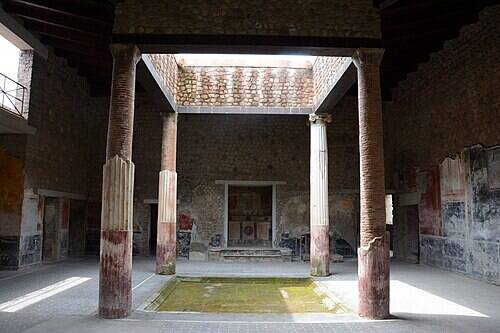
A larger atrium of the Villa San Marco, Stabiae; four pillars support the roof.
III. French Doors: Unsung Heroes of Ventilation
At Handmade Luxury Home, we—Marga and Paula—believe it’s almost criminal that homes are built without French doors! We buy postcards featuring homes with French doors. We think they’re romantic. We love them. And yet, we don’t have them. But we need them.
Wooden French doors and shutters offer excellent natural ventilation. Their wide, dual-panel design allows for expansive airflow when opened, creating a seamless connection between indoor and outdoor spaces. Adjustable wooden shutters or louvered panels enable precise control over cross-ventilation, pulling fresh air through a room while pushing out stale, hot air.
When partially opened, they act like a wind tunnel, channeling breezes to cool interiors without relying on energy-intensive systems. The solid wood construction provides natural insulation, reducing heat transfer from outside while maintaining a comfortable indoor temperature.
Strategically placed wooden French doors—especially on opposite walls—enhance the stack effect, where hot air rises and escapes through upper openings, drawing cooler air in from lower levels. Their tall, vertical design maximises airflow at human height, improving comfort more effectively than smaller windows.
In warmer climates, the shutters can be closed during peak heat to block direct sunlight while still allowing airflow when adjusted. Fully opening them transforms living spaces into semi-outdoor areas, promoting air circulation and reducing indoor heat buildup. And let’s not forget their rustic aesthetic—it’s simply wonderful.
Wooden French doors are versatile: they can be left ajar for gentle airflow or fully opened to create a refreshing draft, making them ideal for Mediterranean or temperate climates. Plus, they can be closed during winter storms to conserve heat. A double win.
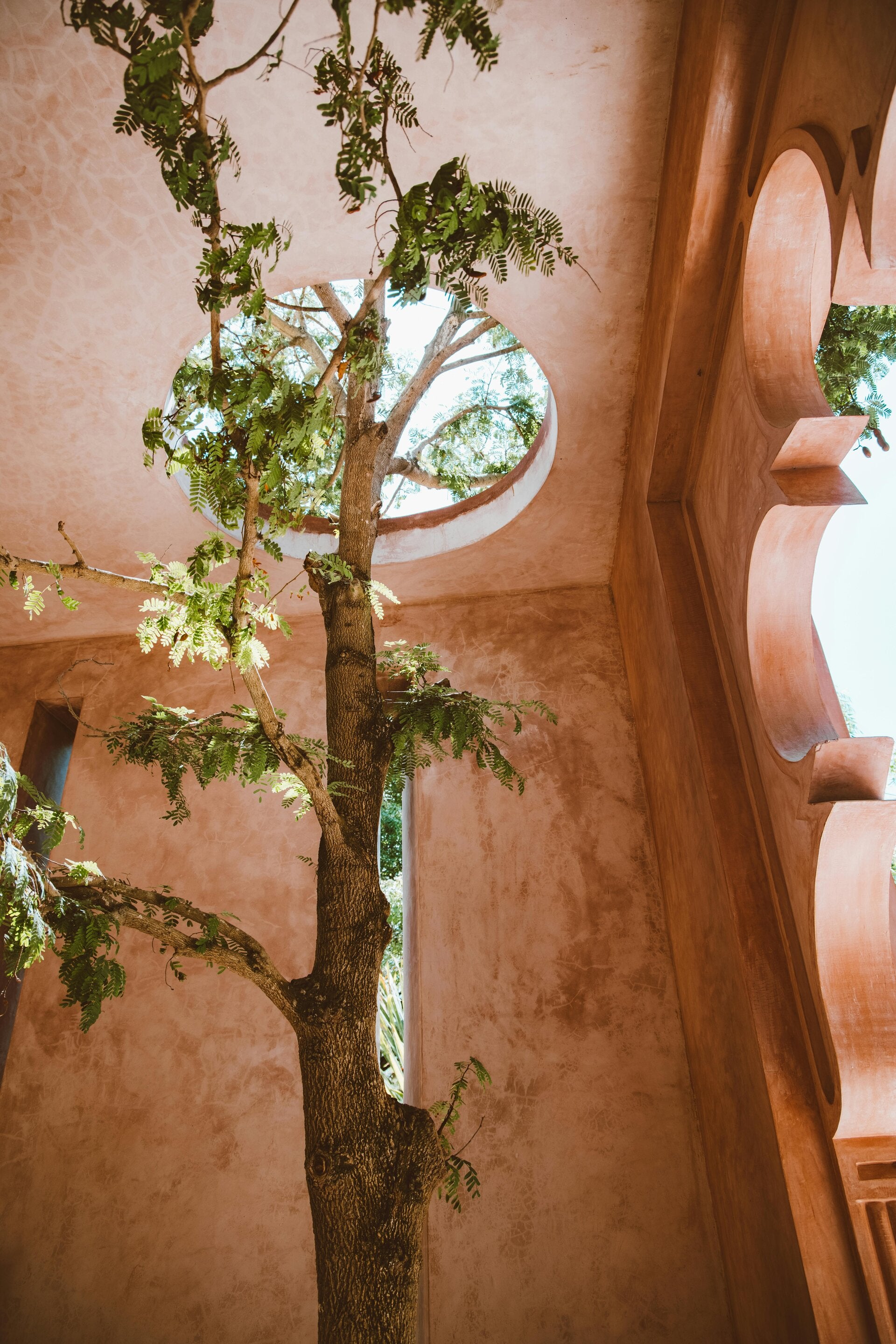
Ventilation, oxygen provided by a tree...what more to wish for?
~Final Musings~
"Not too long ago, I walked with my daughter through a freshly build block consisting of a few streets with family homes. There were no trees and hardly any green. Also, no overhanging balconies providing a tiny bit of shade. There was lots of tarmac and the colour of the stone was dark. The new owners would buy a home designed for the past, I thought".
We need new inventions, which aren't that new at all! We need architecture of hotter parts of our world.
Adapting our homes for heatwaves doesn’t have to be super expensive or hugely complicated. With thoughtful changes—like tiled floors, natural ventilation techniques, and wooden French doors—we can create cooler, more comfortable living spaces without relying on energy-guzzling air conditioning.
Paula Kuitenbrouwer
Marga van der Vet
Artisan, owners & brainstorming enthusiasts of Handmade Luxury Home
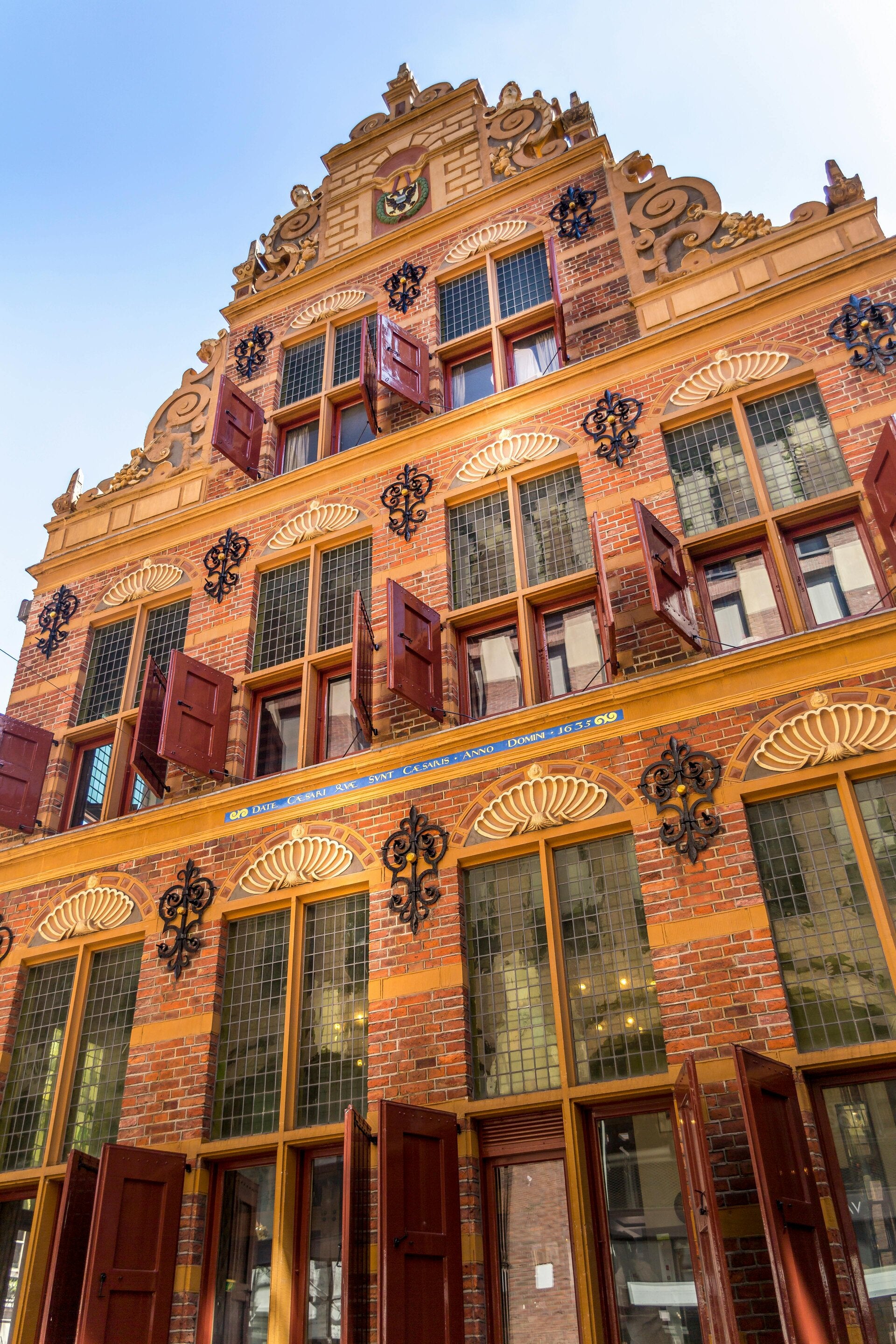
French doors look luxurious and will pay back themselves in comfort.
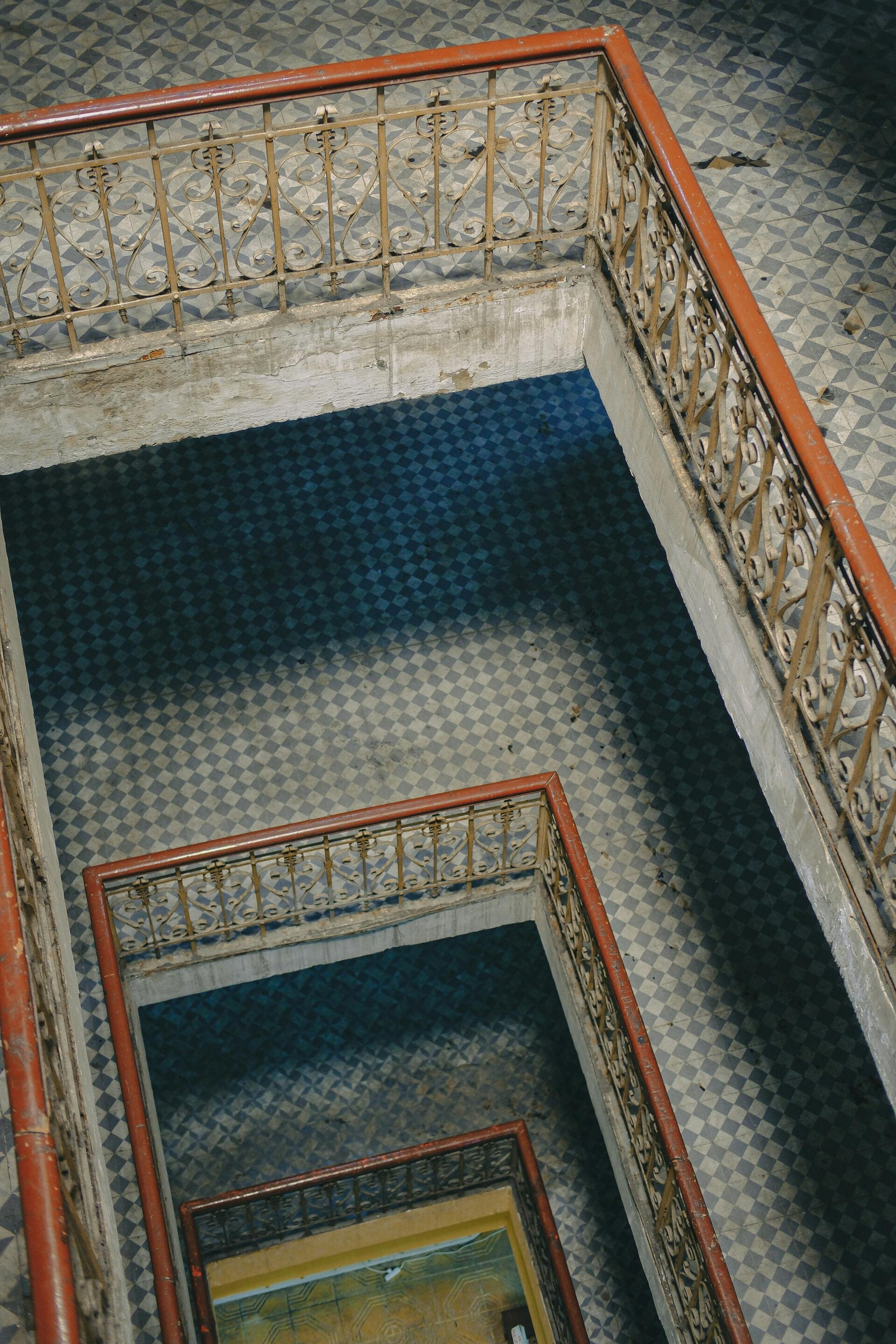
Ventilation through the staircase, tiles for cooling......this provides architects with ancient inspiration to build homes that help us to stay cooler during tropical summer temperatures.

Explore our products at Handmade Luxury Home:
needle crafts by Marga van der Vet
& paintings by Paula Kuitenbrouwer
-
 XXL Eco Quilt Neutral Earth Tones €315.00 FREE shipping
 -
 Botanical Quilt Throw €295.00 FREE shipping
 -
 Caribbean Blue Cotton Quilt €135.00


Add comment
Comments