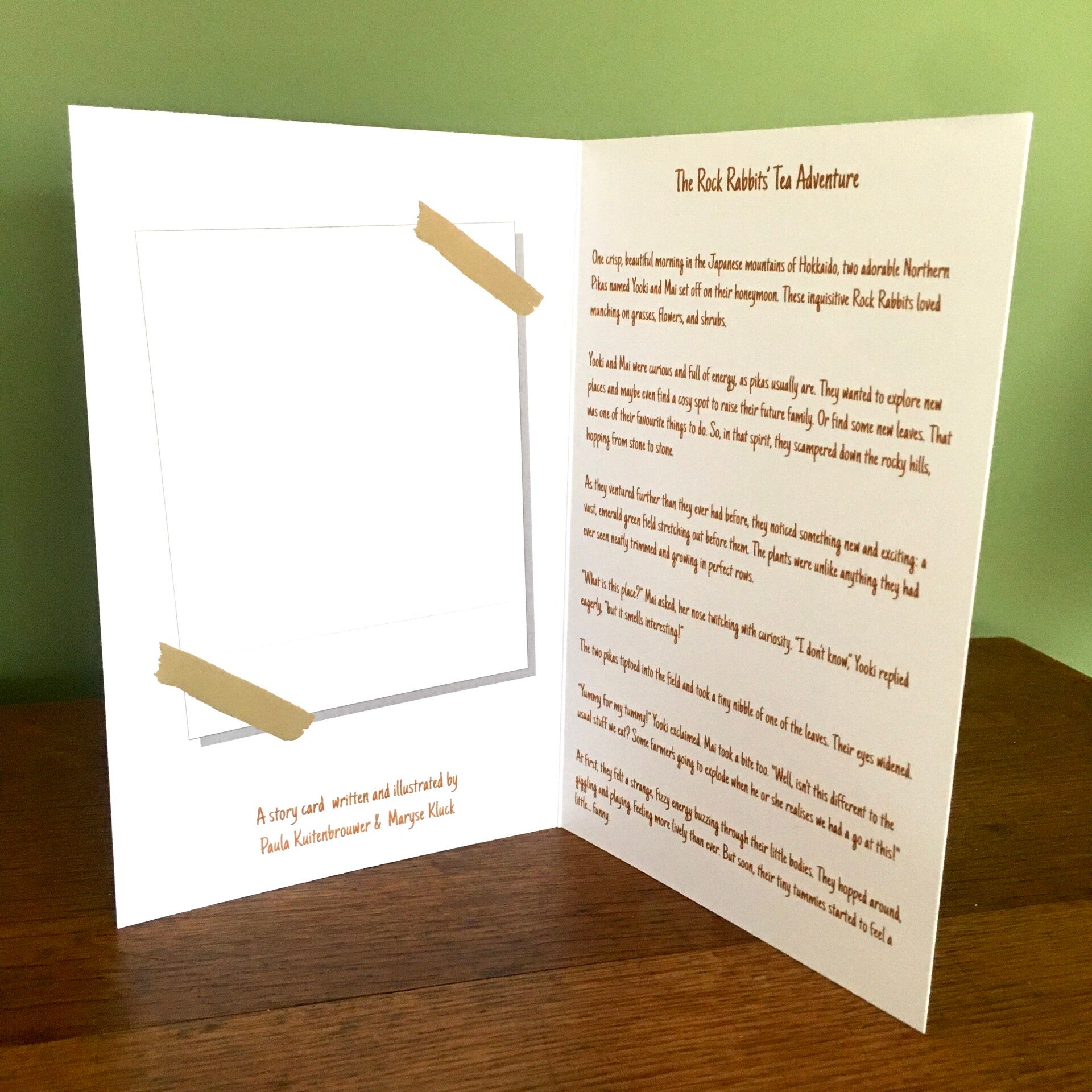
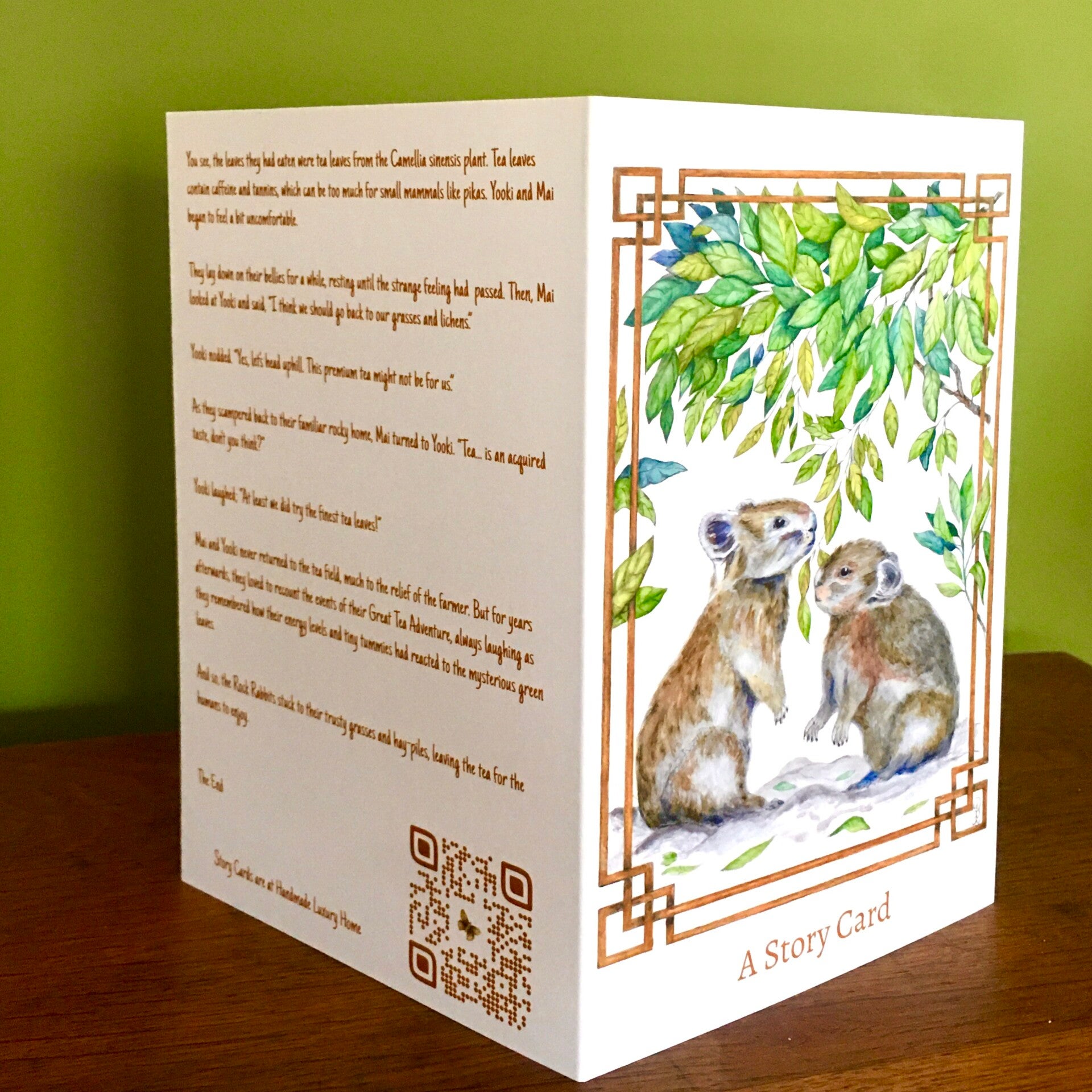
For Handmade Luxury Home writer Maryse Kluck (at www.marysekluck.com) and fine artist - illustrator Paula Kuitenbrouwer have developed a Story Card.
What is a story card? It is a story. It is a card. It is the thinnest booklet possible. Most of all: it is a gift for sending and receiving. It warms the heart.
There is a large illustration. A lovely story for 9 -99 years-old. Plus, enough space for a short message or a kind wish. Like: 'Stay healthy through winter, like a Pika!' Or; 'You are as cute as a Pika'. Or: 'Shall we taste tea or matcha together like the Pikas?'
On the backside there is a QRC for ordering more of these wonderfully engaging cards.
The story:
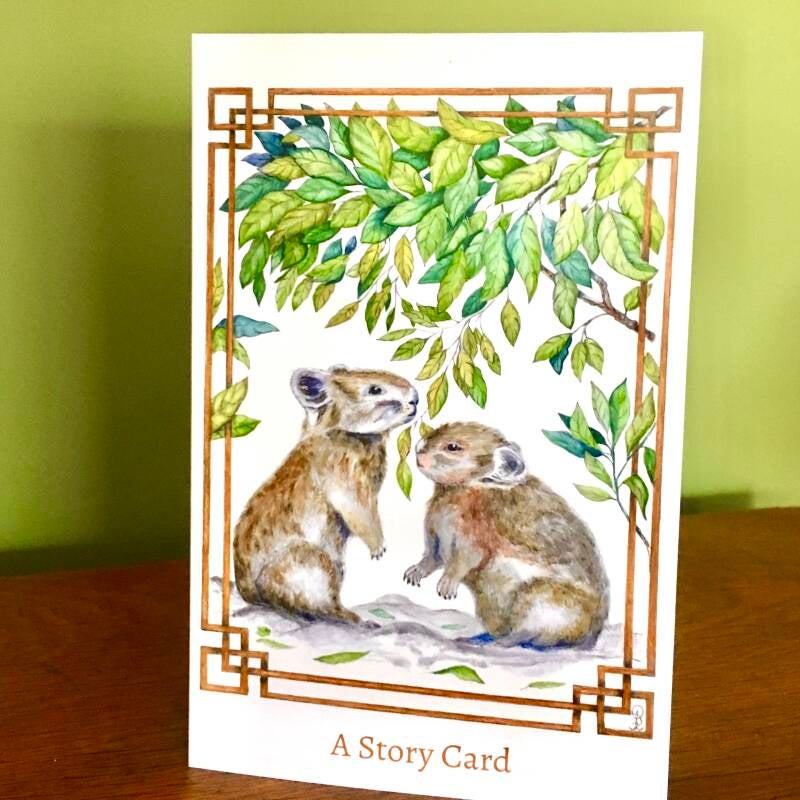
The Rock Rabbits’ Tea Adventure
~a story art card~
One crisp, beautiful morning in the Japanese mountains of Hokkaido, two adorable Northern Pikas named Yooki and Mai set off on their honeymoon. These naughty Rock Rabbits loved munching on grasses, flowers, shrubs, and leaves.
Yooki and Mai were curious and full of energy, as pikas usually are. They wanted to explore new places and maybe even find a cosy spot to raise their future family. Or find some new leaves. That was one of their favourite things to do. So, in that spirit, they scampered down the rocky hills, hopping from stone to stone.
As they ventured further than they ever had before, they noticed something new and exciting: a vast, emerald green field stretching out before them. The plants were unlike anything they had ever seen—neatly trimmed and growing in perfect rows.
“What is this place?” Mai asked, her nose twitching with curiosity.
“I don’t know,” Yooki replied eagerly, “but it smells interesting!”
The two pikas tiptoed into the field and took a tiny nibble of one of the leaves. Their eyes widened.
“Yummy for my tummy!” Yooki exclaimed. Mai took a bite too.
'Well, isn't this different to the usual stuff we eat? Some farmer's going to explode when he or she realises we had a go at this!"
At first, they felt a strange, fizzy energy buzzing through their little bodies. They hopped around, giggling and playing, feeling more lively than ever. But soon, their tiny tummies started to feel a little... funny.
You see, the leaves they had eaten were tea leaves from the Camellia sinensis plant. Tea leaves contain caffeine and tannins, which can be too much for small mammals like pikas. Yooki and Mai began to feel a bit uncomfortable.
They lay down on their bellies for a while, resting until the strange feeling passed. Then, Mai looked at Yooki and said, “I think we should go back to our grasses and lichens.”
Yooki nodded. “Yes, let’s head uphill. This premium tea might not be for us.”
As they scampered back to their familiar rocky home, Mai turned to Yooki.
“Tea... is an acquired taste, don't you think?”
Yooki laughed; “At least we did try the finest tea leaves!”
Mai and Yooki never returned to the tea field, much to the relief of the farmer. But for years afterwards, they loved to recount the events of their Great Tea Adventure, always laughing as they remembered how their energy levels and tiny tummies had reacted to the mysterious green leaves.
And so, the Rock Rabbits stuck to their trusty grasses and hay-piles, leaving the tea for the humans to enjoy.
The End
The Story Cards are Here in our Shop

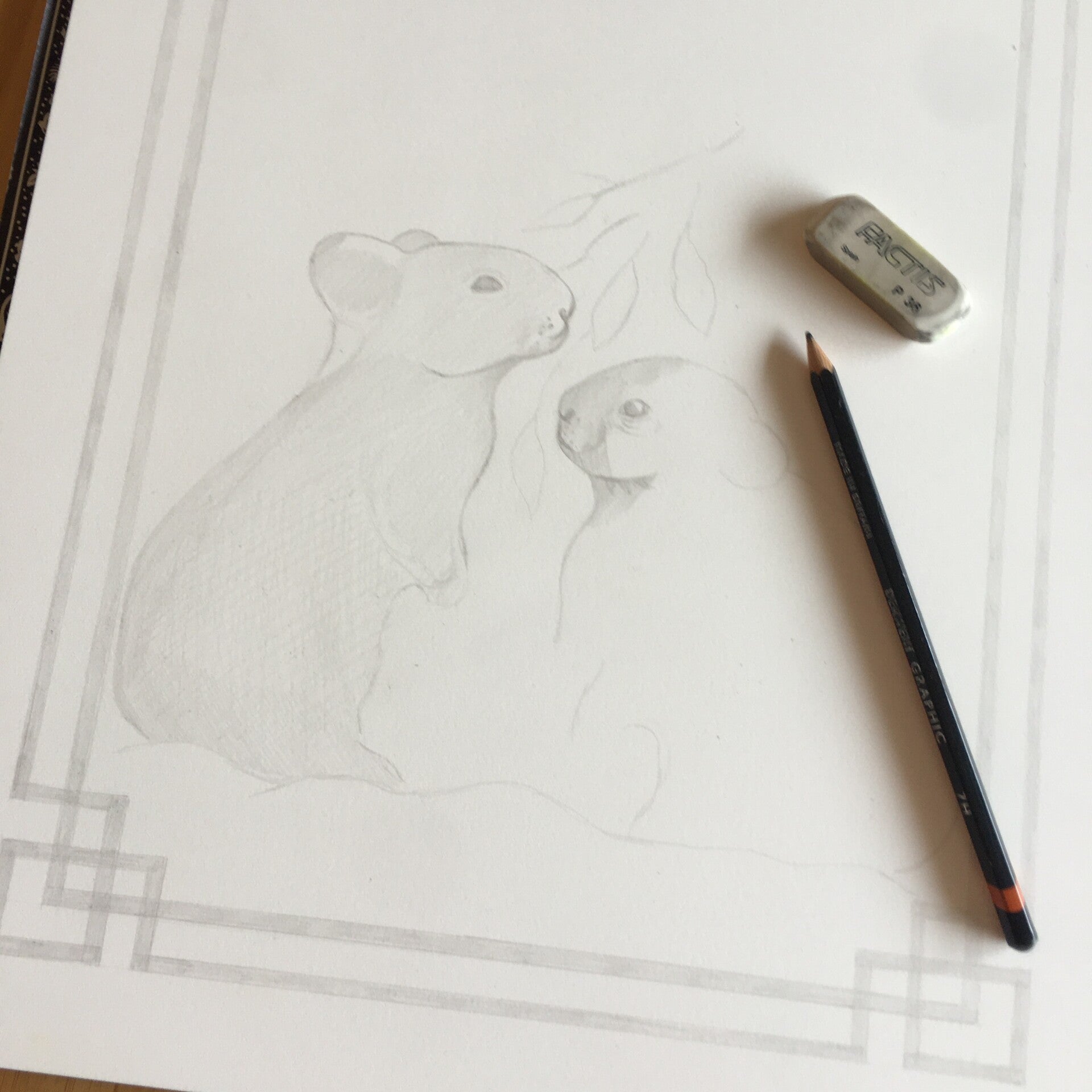
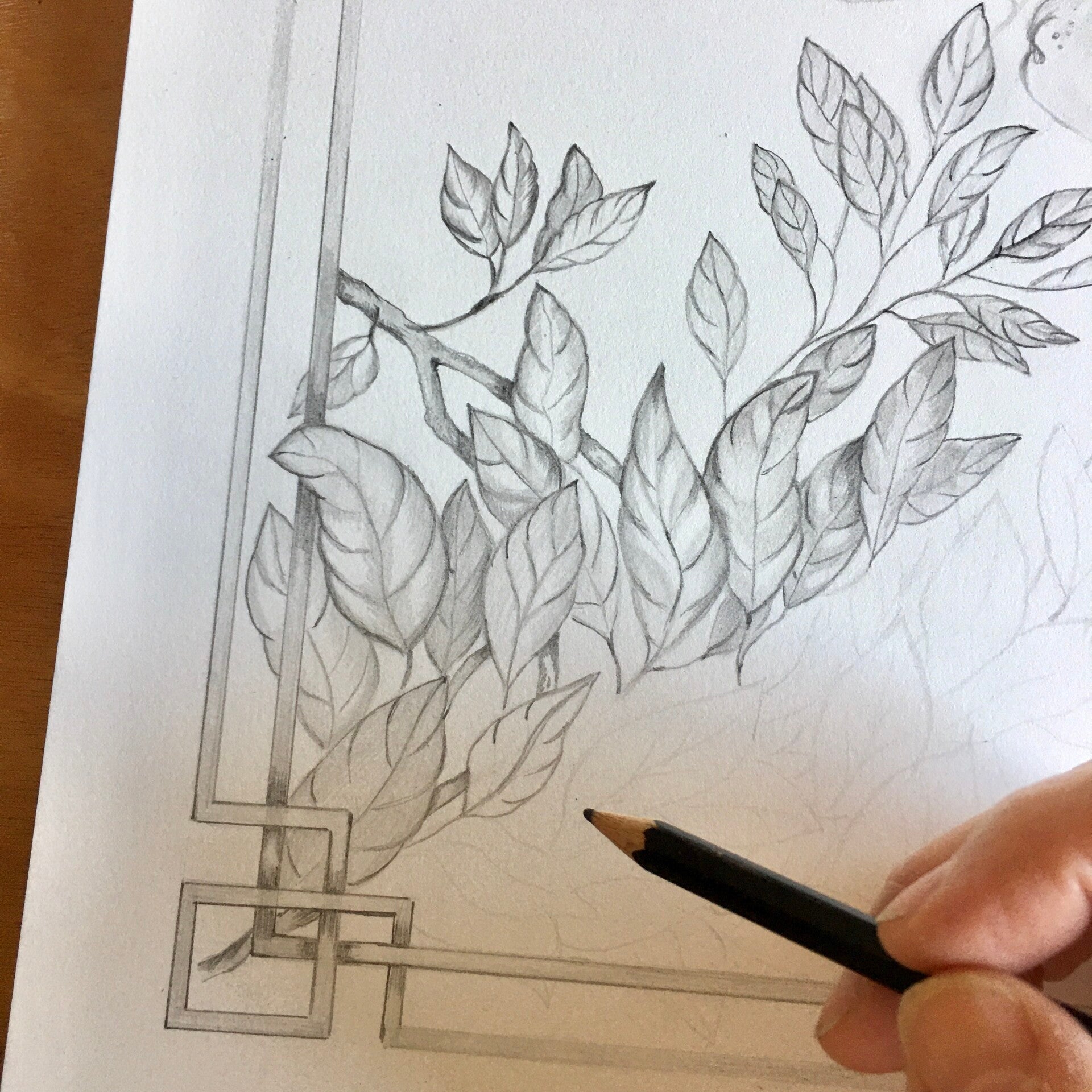
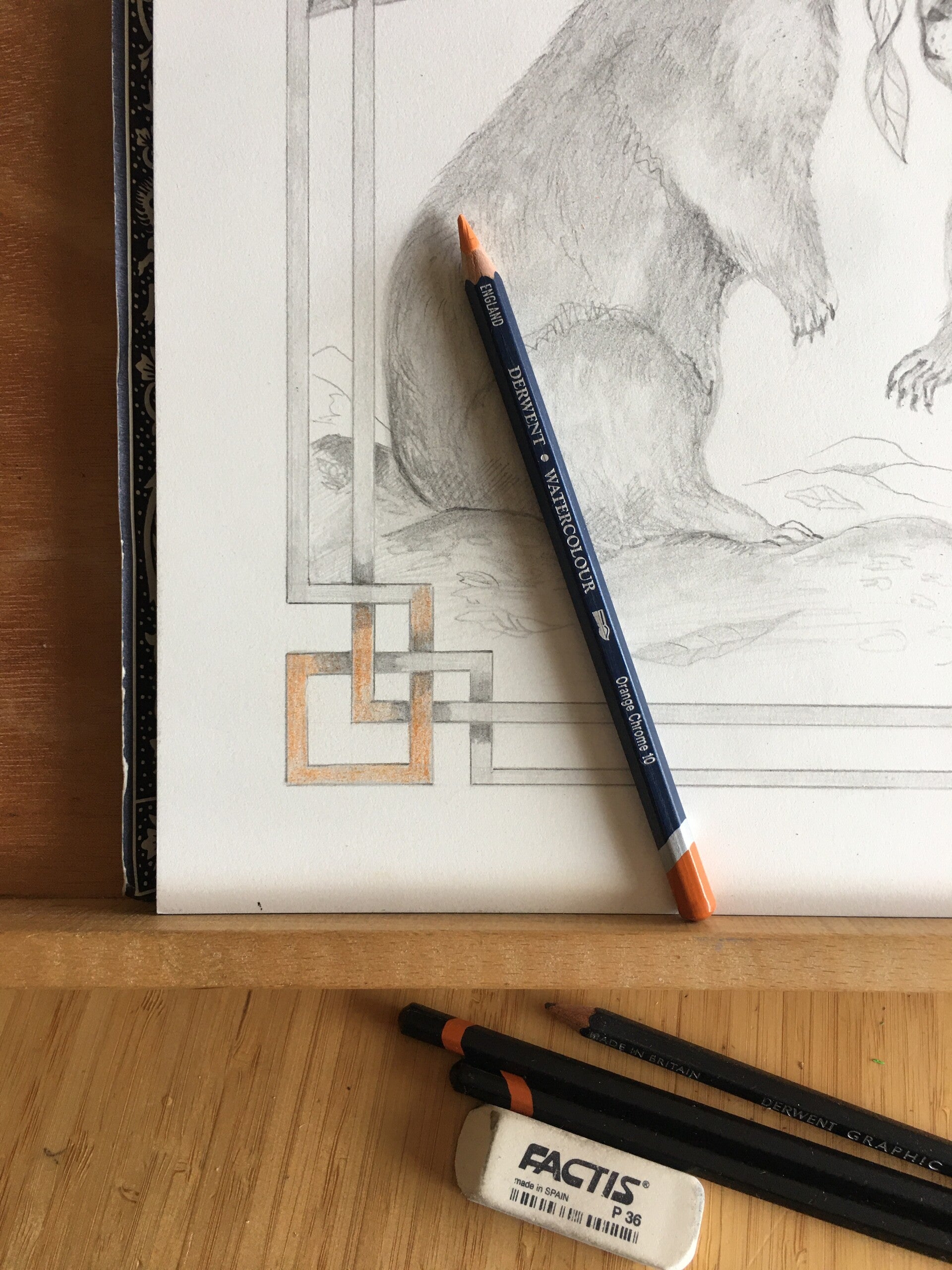
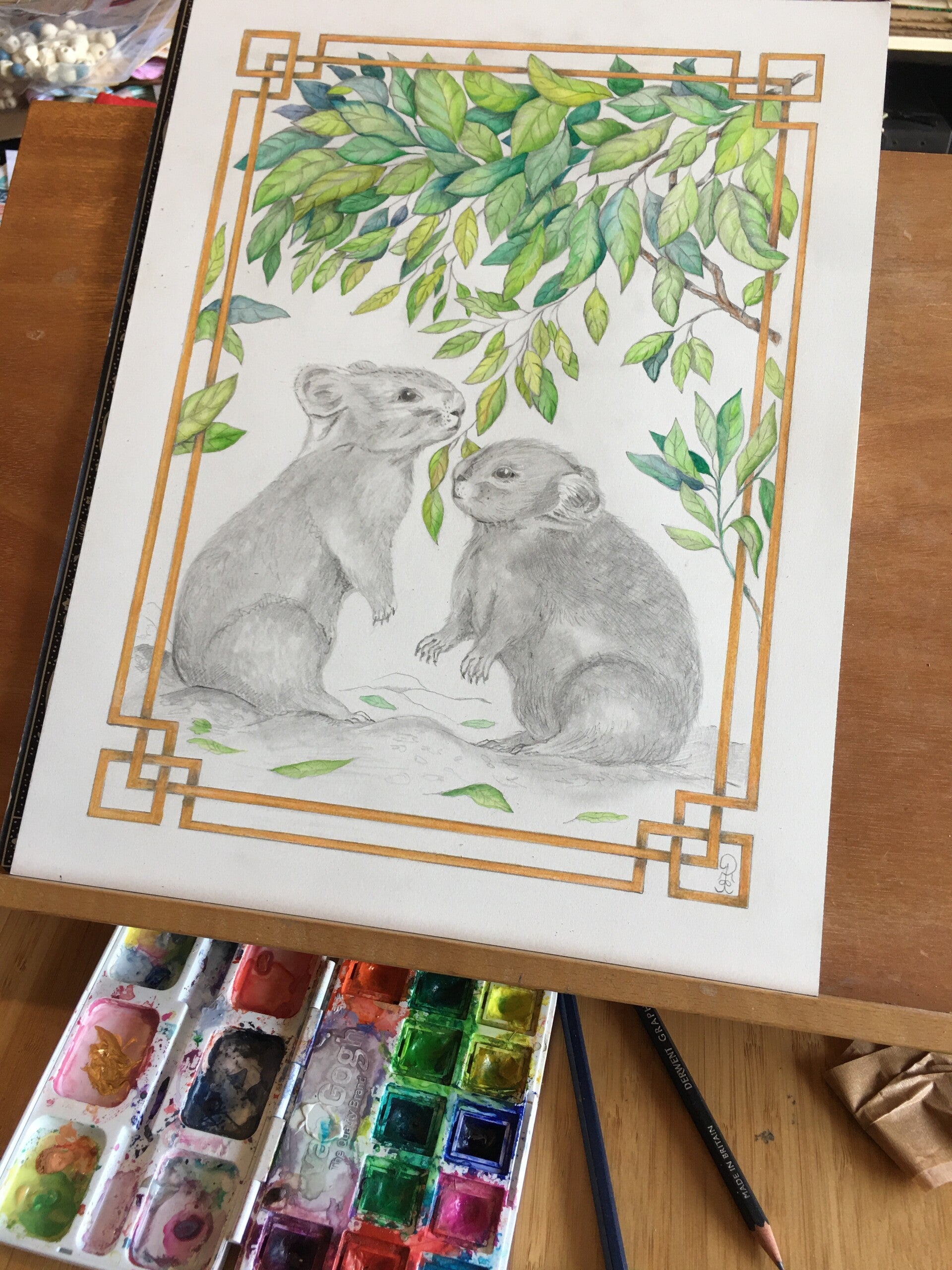
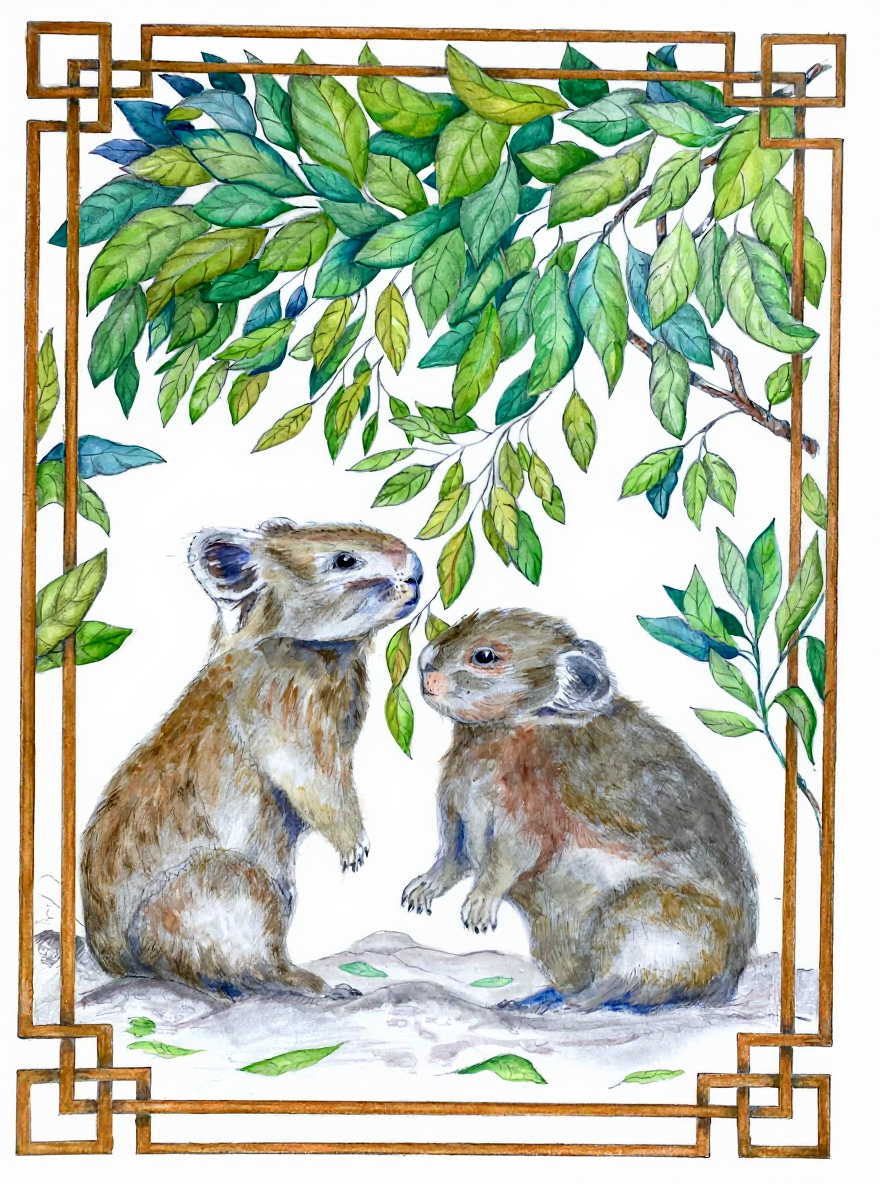
Hand drawn and hand-painted with Van Gogh water colours by Paula Kuitenbrouwer on Arches Paper 31-41 cm. The original is for sale too. Contact Paula freely.
You want to learn a bit more about Pikas?
The two pikas on my painting are Japanese pikas. Their Latin names are Ochotona hyperborea. They are Northern Pikas, found in mountainous regions.
So....what is there to tell about pikas?
Let’s start with their names. To many, pikas are called rock rabbits or whistling hares. Yet, they are not rabbits and also not hares.
Pikas are super cute—small, mountain-dwelling mammals with charming behaviour. For example, they make hay stacks for the winter. Like rabbits, pikas are strictly herbivorous (plants only).
Pikas are found in cold, high-altitude regions (e.g., the Himalayas, Rockies, and Siberian tundra). To survive these harsh environments, they grow thick, dense fur for insulation against freezing temperatures. They have round, compact bodies to minimise heat loss. And, unlike rabbits, they have short ears and legs, also to conserve warmth.
Let’s talk about their hay-making. We can learn from that!
Ever since we’ve been able to rely on supermarkets, we’ve had no need to stock up for winter. Unless you've taught yourself a bit of survival. We should have food and water for 72 hours in case of calamities. Let’s learn a bit from pikas, the champions of food hoarding.
Pikas are great at logistic planning. All summer long, they collect -bit by bit- and dry plants (like grass and herbs) and store them in hay piles for winter. Some pika species create hay stacks weighing up to 20 kg (44 lbs)—10 times their body weight! Why would they do that? Because, unlike polar bears and other hibernating animals, pikas do not hibernate. They need to rely on these stashes to survive the harsh mountain winters.
There’s another pika feature that we humans find very funny, although we do it ourselves: pikas are chatty. They can yell to warn others of predators (e.g., eagles, foxes). And not only that, like Romeo and Juliet, some pikas sing duets during the mating season.
Pikas live solitary lives and are naughty enough to steal from their neighbours’ hay piles. But they can be social too. The American pika (Ochotona princeps) lives in family groups and it shares hay piles.
What they lack in speed (due to their short hind legs), they make up for with agility. They climb rocky cliffs with ease, using their strong, short hind legs. Plus, they can jump up to 2 metres (6.5 feet) between rocks. In other words, they ‘fly’ over rocks.
Like guinea pigs and rabbits, pikas have a short lifespan and a high reproductive rate. The oldest pikas live up to 7 years, and females can have 2–6 babies, 2–3 times a year. Like guinea pigs—and unlike hamsters—pika babies are precocial (born with fur and open eyes).
Pikas come in handy for scientists studying climate change. Some populations are declining due to rising temperatures. This is no surprise, as pikas cannot handle heat well. They easily overheat, which makes sense given their build and fur, designed for cold climates.
Will you ever see a pika in a snowy landscape?
Most likely not. They can tunnel under snow to access their precious, life-sustaining hay piles.
Paula Kuitenbrouwer & Maryse Kluck
Add comment
Comments