

Japanese teas
My daughter introduced me to the world of Japanese teas. Before that, I was perfectly content with my British staples: Earl Grey, with its bergamot oil, and Lady Grey, which adds an orange twist, Darjeeling and English Breakfast. My daughter’s enthusiasm for Japanese tea culture was infectious. And honestly, I didn’t want to escape it—why would I? The younger generation has a way of pulling you into their world, keeping you young. As they say, "Do not get stuck in the old ways."
Then there’s Japan itself—a country that has always fascinated me. From its cutting-edge infrastructure to its grace under pressure—whether handling natural disasters or pandemics—Japan seems light-years ahead of many Western European nations. I adore its arts and crafts, too. I’ve dived into Sashiko embroidery, studied its ceramics, and marveled at its temples. So, when my daughter brought Japanese tea into my life, I was more than willing to take a sip.
A Tea Ceremony to Remember
Years ago, while living in South Korea, my husband and I visited a hutong in Beijing. A Hutong is a cosy traditional housing area where modernity hasn't done its destructive work (yet). There, we booked a traditional Chinese tea ceremony. I don’t remember the taste of the tea, but I remember the ceremony vividly. The two young women lead the ceremony of which we didn't initially understand much. Their English, likely learned from an audiobook, was far from perfect.
Our group of four was baffled. But then, something clicked for me. They spoke poetical lines! Their words painted a beautiful picture: "The dew drops fall from the mountain onto the leaves. They flow into the river..." As they poured hot water over the tea leaves, their movements mirrored their storytelling. I found myself translating their poetic descriptions for everyone else and soon the four of us could decipher their lines.
It was utterly lovely. The ceremony became fun! The cuteness of the whole thing in which two young women tried so hard to get the message across. This was 25 years ago—I am sure the young women now speak perfect English, but even then, the memory remains as warm as the tea they served.
Now, watching YouTubers—especially those of the Tiny Living community—I see how tea ceremonies have become a modern ritual. A pause. A moment to slow down. Vloggers put a kettle on, select their tea mindfully, pour a cup, and take a break. Afterward, they’re recharged, tea and mindfulness in hand.
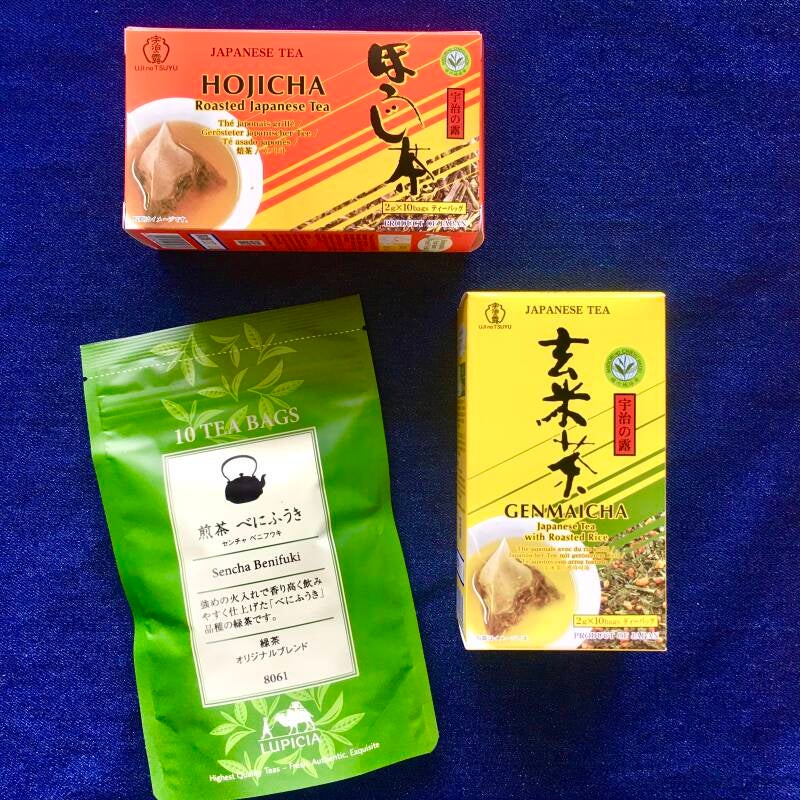
A Gift of Three Teas:
Let me introduce you to them (if you aren’t already acquainted).
Hojicha
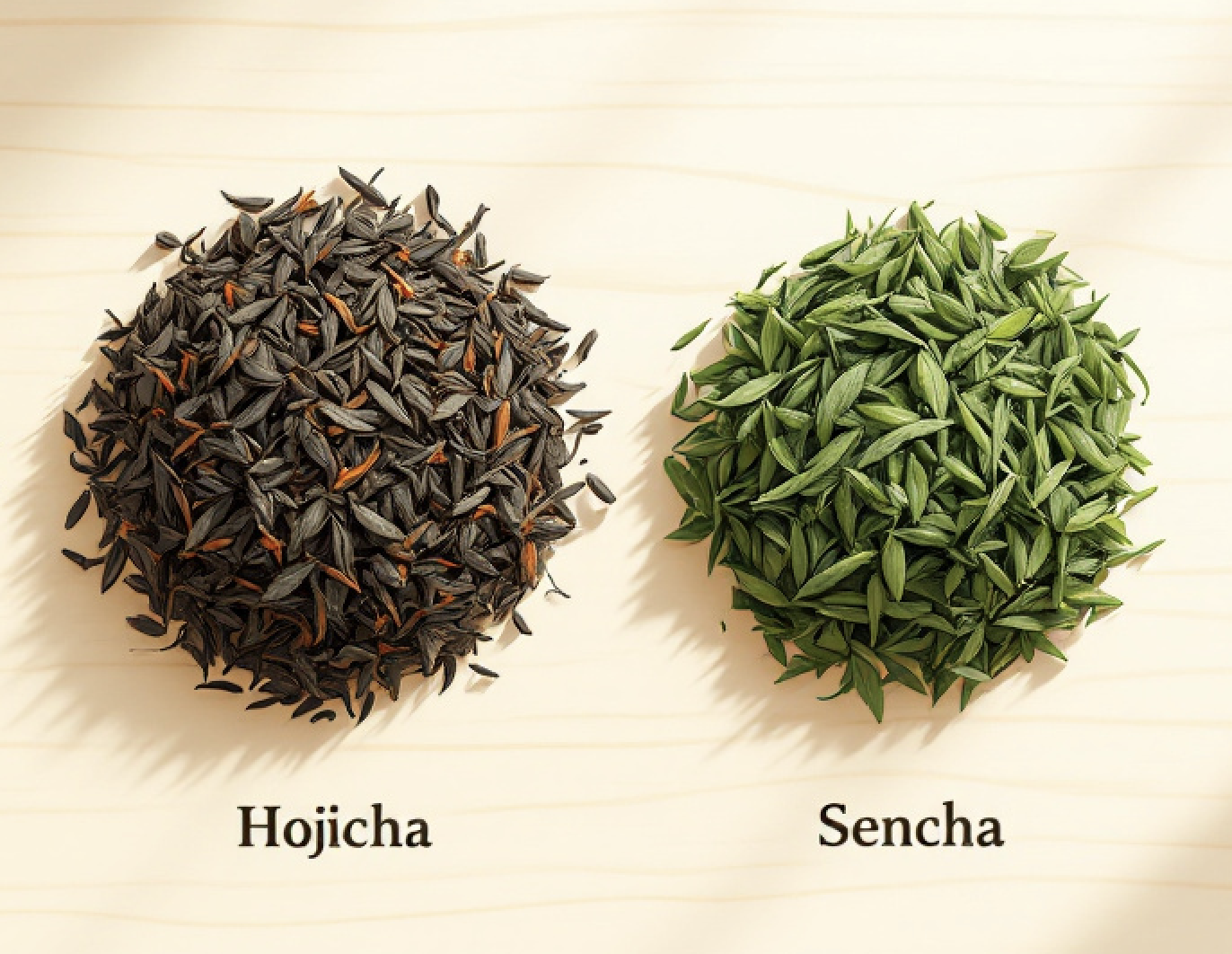
The colour of this tea is chocolaty brown. The scent is almost smoky but far less than Lapsang Souchong. I adore Hojicha for its toasted, roasted, nutty flavour, with a hint of chocolate. As someone who avoids sugar and chocolate due to migraines, Hojicha is a godsend. When I crave chocolate, this tea delivers—like a cup of coffee with a small piece of dark chocolate melted in. And because it’s naturally low in caffeine, I can enjoy it any time of day.
Sencha
The colour of sencha is fresh green. A bit like matcha. Sencha, to me, is pure green tea—fresh, uncomplicated. It’s savoury (umami), sometimes with a fruity or even minty note, but mostly it’s just Sencha: sweet with the faintest touch of bitterness.
Genmaicha
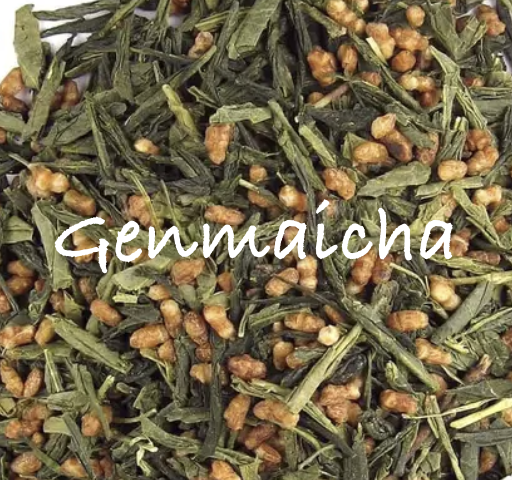
Genmaicha tea has popped white rice kernels. Do not think these should be removed or that your tea has gone off. Genmaicha is as full of character as Hojicha. While Sencha is straightforward green tea, Genmaicha has a unique profile—nutty and slightly sweet, thanks to the roasted brown rice mixed with the tea leaves. It’s a delightful contradiction: the bitterness of green tea and the sweetness of caramelised rice. How can something be both savoury and sweet? Genmaicha does the trick.
The Final Sip
So, which one I prefer the most? I can’t decide. But that’s the fun of it—each tea offers its own moment of mindfulness and joy.
Why not try them all and see which one recharges you the most?
Paula Kuitenbrouwer
~Tea lover~
WHERE TO BUY JAPANESE TEAS?
You can buy your Japanese teas at your local tea shop, for instance Simon Levelt. Also, your local Chinese food market might have a variety.
Should you not have tea shops or Asian food markets nearby, consider ordering them at Bol.com.
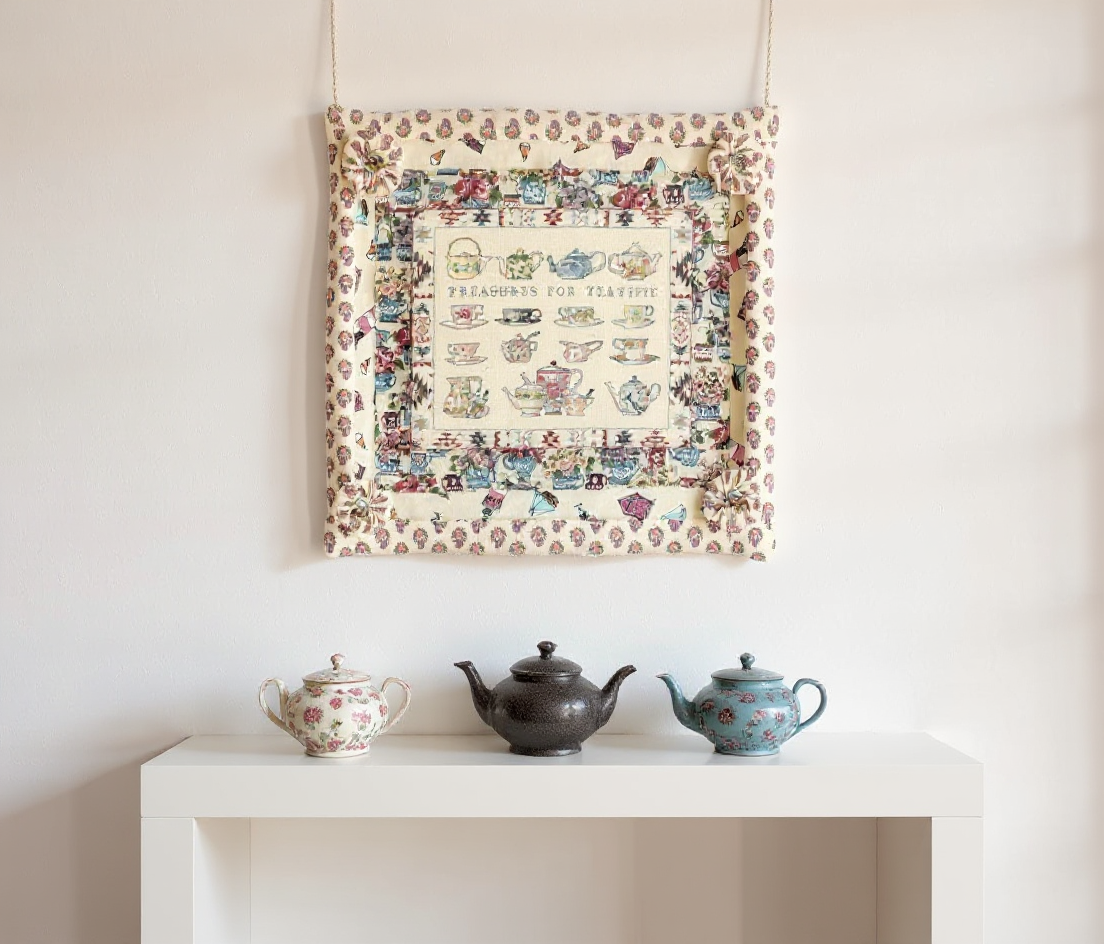
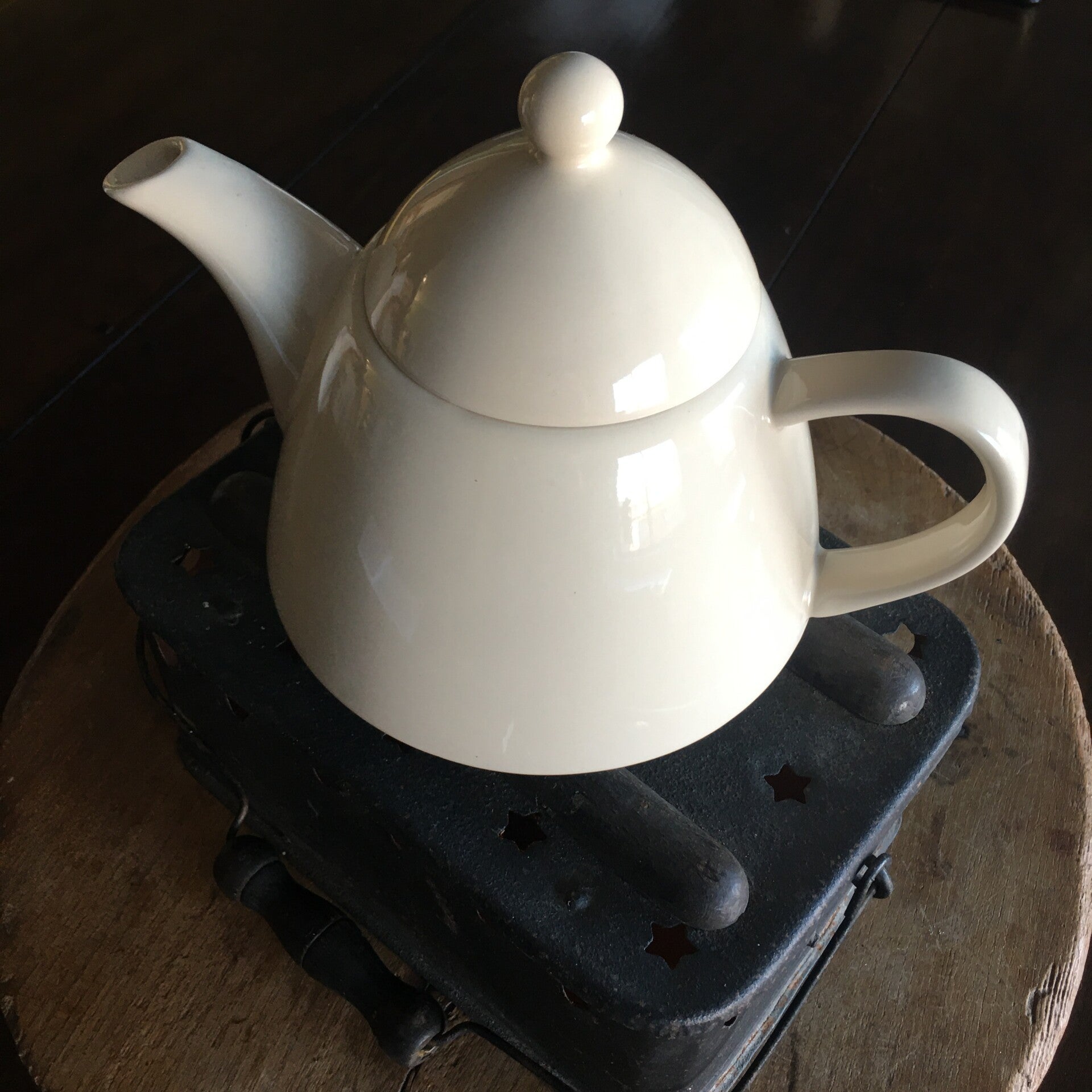
Photo Gallery with Hojicha, Sencha, Gemaicha, Tea Embroidery Wall Hanger, and an old foot stove functioning as a tea warmer:
More Tea, Coffee & Matcha Culture Posts...


OUR TEA CULTURE RELATED PIECES FOR YOU:
-
 Sashiko One Mug Warmer €35.00
 -
 Embroidered Luxury Teapot Cover €195.00
 -
 Antique Wooden Tea Caddy Chest €135.00
 -
 Victorian Embroidery Tea Art €375.00 FREE shipping


Add comment
Comments