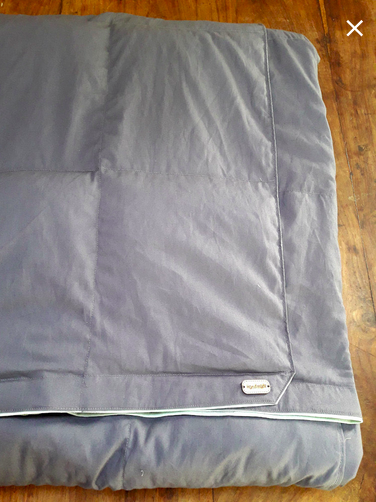
Weighted Blankets: Handmade Comfort and the Art of Making Your Own
Have you ever heard of a weighted blanket? Perhaps you already own one, or perhaps the idea is completely new to you.
A weighted blanket is exactly what its name suggests: a blanket with additional weight, usually created by filling small, evenly distributed compartments with special beads or pellets.
Some people love the feeling of sleeping under a traditional, substantial wool blanket. Others prefer the lightness of a modern duvet. A weighted blanket offers something different: a gentle, evenly distributed pressure that many people find comforting.
At Handmade Luxury Home, we appreciate textiles that combine practical use, thoughtful construction and beautiful materials. So naturally, we became interested in these rather special blankets.
Let's explore what they are, what to consider before buying one and how they are made.
What Is a Weighted Blanket?
A weighted blanket is a specially constructed blanket containing small weights distributed throughout its surface.
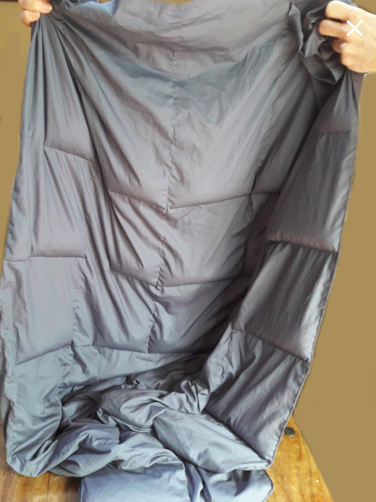
Unlike an ordinary blanket, the filling is divided into individual compartments. This prevents the filling from collecting in one corner or moving around too freely.
The result is a blanket with a relatively even weight distribution.
Weighted blankets are available in different sizes, weights and materials. Some are designed for use on a bed, while smaller versions are intended for use on a sofa or chair.
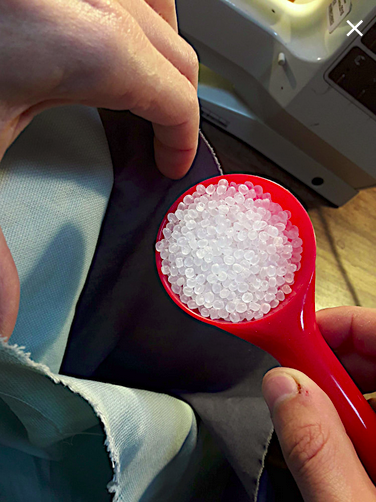
The weight itself is usually created by small plastic pellets or glass beads.
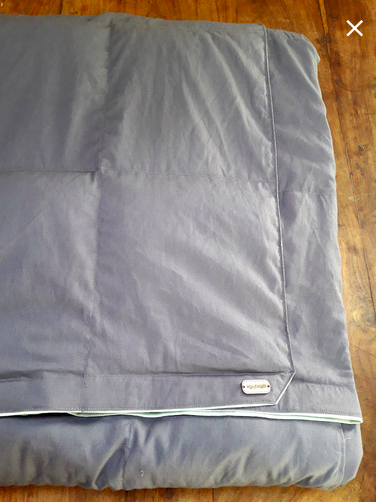
The outside can be made from cotton, linen, velvet or other suitable textiles, depending on the intended use and personal preference.
Why Do People Like Weighted Blankets?
There is something comforting about the feeling of being gently covered.
For some people, the additional pressure creates a feeling of security and relaxation. Others simply enjoy the substantial feel of the blanket and the sensation of being tucked in.
This is sometimes explained through the concept of deep pressure stimulation: gentle, evenly distributed pressure on the body.
There is scientific research into the possible effects of weighted blankets on sleep, anxiety and relaxation. Some studies report positive experiences, particularly among adults, but the results are not conclusive.
It is therefore important to be realistic.
A weighted blanket is not a medical treatment, and there is no guarantee that it will improve sleep or help with a particular condition.
People with autism, ADHD, anxiety or other conditions sometimes explore weighted products as part of their sensory preferences. However, individual suitability and safety should always come first.
We believe that comfort is personal. What feels wonderfully relaxing to one person may feel unpleasant or restrictive to another.
Choosing the Right Weight and Size
This is probably the most important part of choosing a weighted blanket.
A blanket should never be so heavy that it becomes difficult to move underneath or remove independently.
Many manufacturers use approximately 10% of the user's body weight as a general starting point. However, this is not a universal medical recommendation or a guarantee of suitability.
The appropriate weight depends on the individual, the blanket's construction and the manufacturer's guidance.
A weighted blanket should also be the correct size for its intended use.
Unlike an ordinary duvet, a weighted blanket does not necessarily need to cover the entire bed. In fact, a smaller blanket that rests comfortably over the body is often more practical.
Consider the following:
-
Who will use the blanket?
-
Will it be used on a bed, sofa or chair?
-
What size is comfortable?
-
Can the person easily remove it without assistance?
-
Is the weight appropriate for that individual?
Never choose a heavier blanket simply because you think more weight must mean more comfort.
Which Materials Are Suitable?
The materials are important, both for comfort and for durability.
The outer fabric
Cotton is a particularly practical choice.
It is comfortable against the skin, breathable and available in many different weaves and finishes.
Cotton poplin is smooth and relatively lightweight, while cotton canvas offers a firmer and more substantial construction.
Other possibilities include linen and cotton-linen blends.
At Handmade Luxury Home, we have a particular appreciation for natural textiles. They have a character and tactile quality that make them especially suitable for carefully made household products.
However, the choice of fabric should always take into account the finished blanket's weight, warmth, maintenance and intended use.
The filling
The filling is what makes a weighted blanket different from an ordinary quilt.
Common materials include:
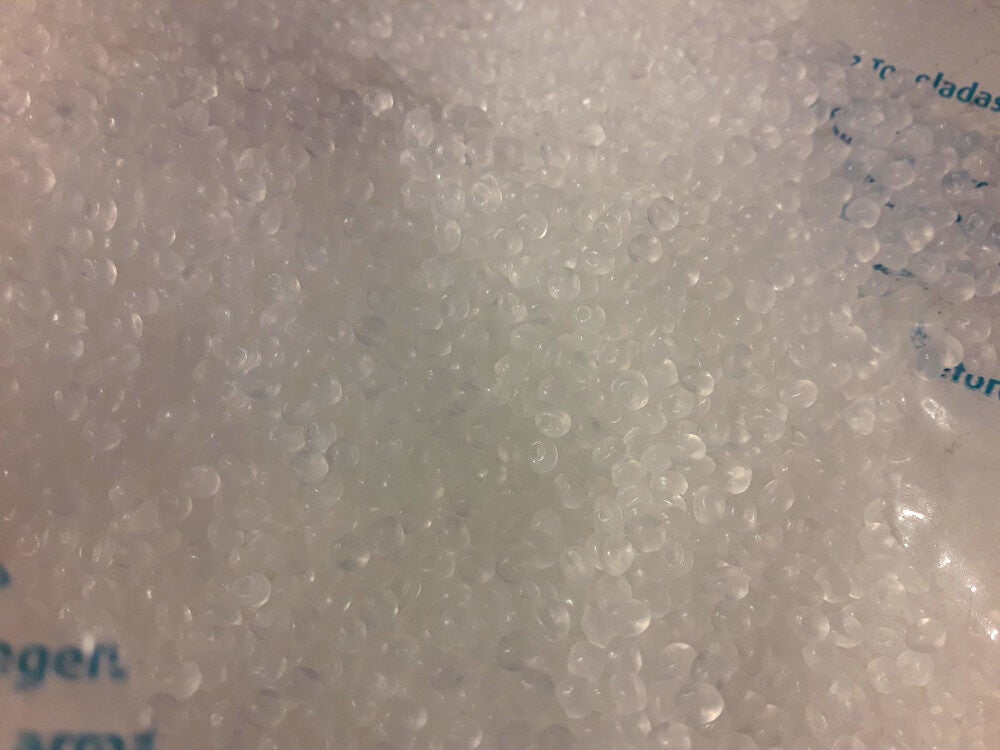
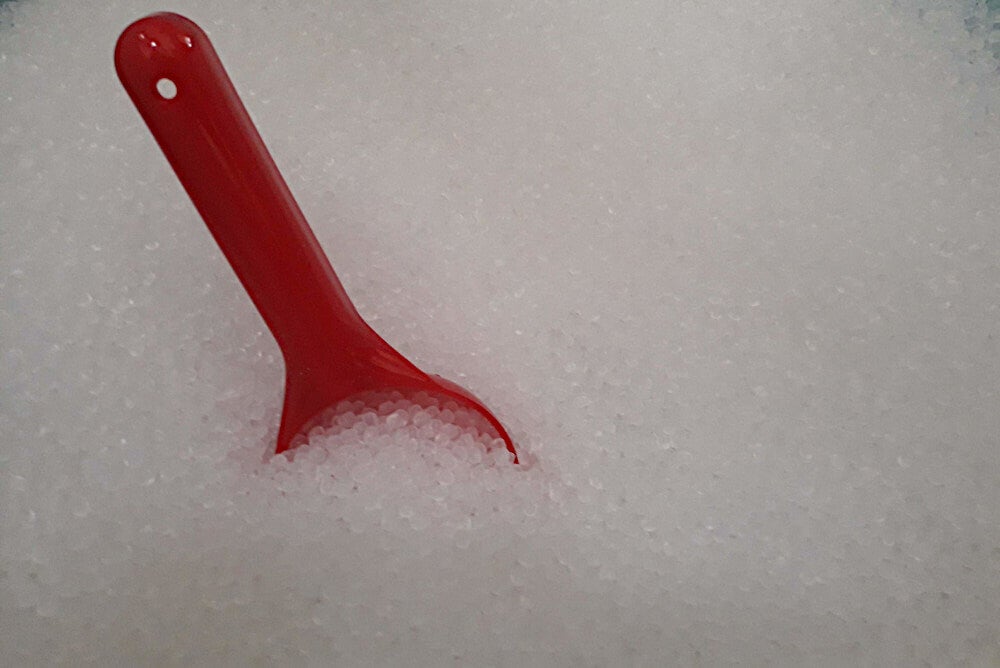
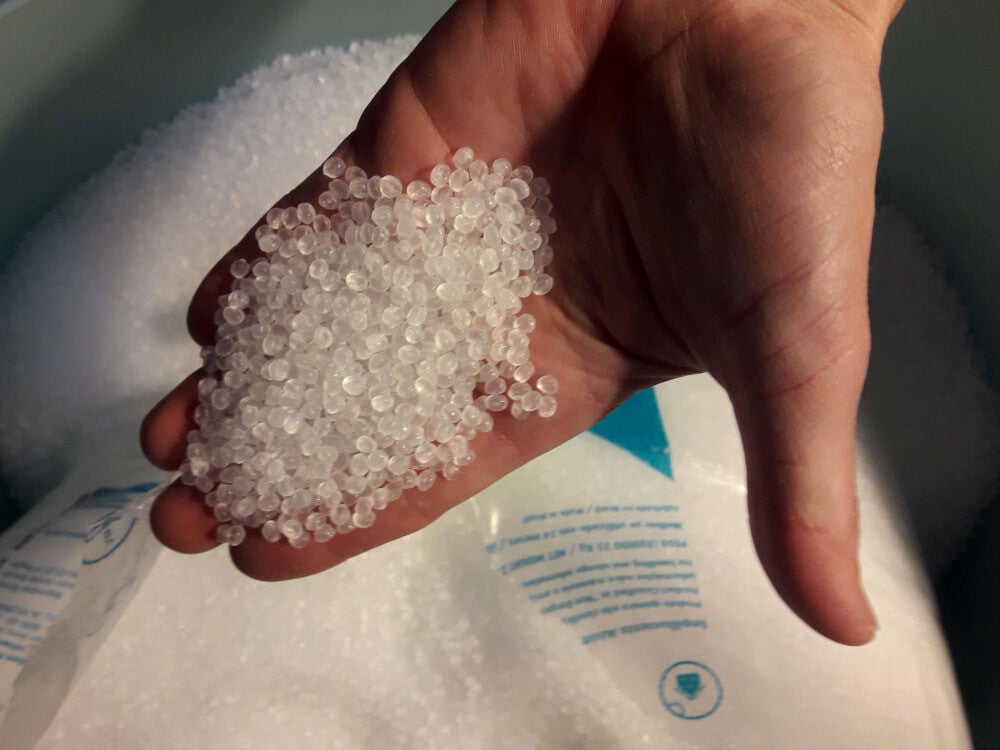
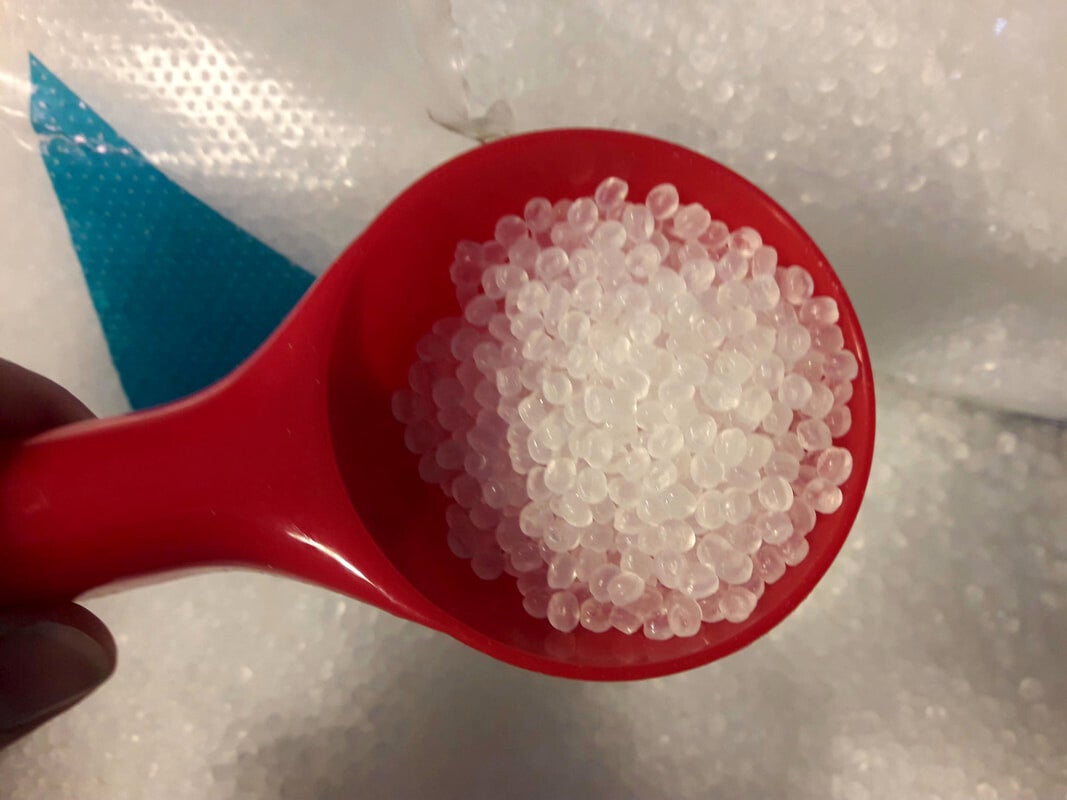
Polypropylene pellets
These are small plastic granules specifically manufactured for filling textiles and other products. They are available in different qualities and sizes.
Do not assume that every type is washable. Always check the manufacturer's specifications.
Glass beads
These are another commonly used filling material. They are generally smaller and denser than plastic pellets, which can help create a relatively thin blanket.
Again, the exact product specifications and washing instructions matter.
We would not recommend using rice, cherry stones or similar natural fillings for a weighted blanket intended for regular washing.
They can absorb moisture and are not suitable substitutes for purpose-made, washable filling materials.
How Is a Weighted Blanket Made?
Making a weighted blanket is an interesting sewing project, but it requires patience, careful measuring and a good deal of attention to detail.
The basic principle is similar to making a quilt, although the construction is somewhat different.
1. Choose the dimensions
First, decide how large the blanket should be.
It is tempting to make a large blanket, but remember that the finished product will already be considerably heavier than an ordinary quilt.
A manageable size is usually more practical.
2. Prepare the fabric
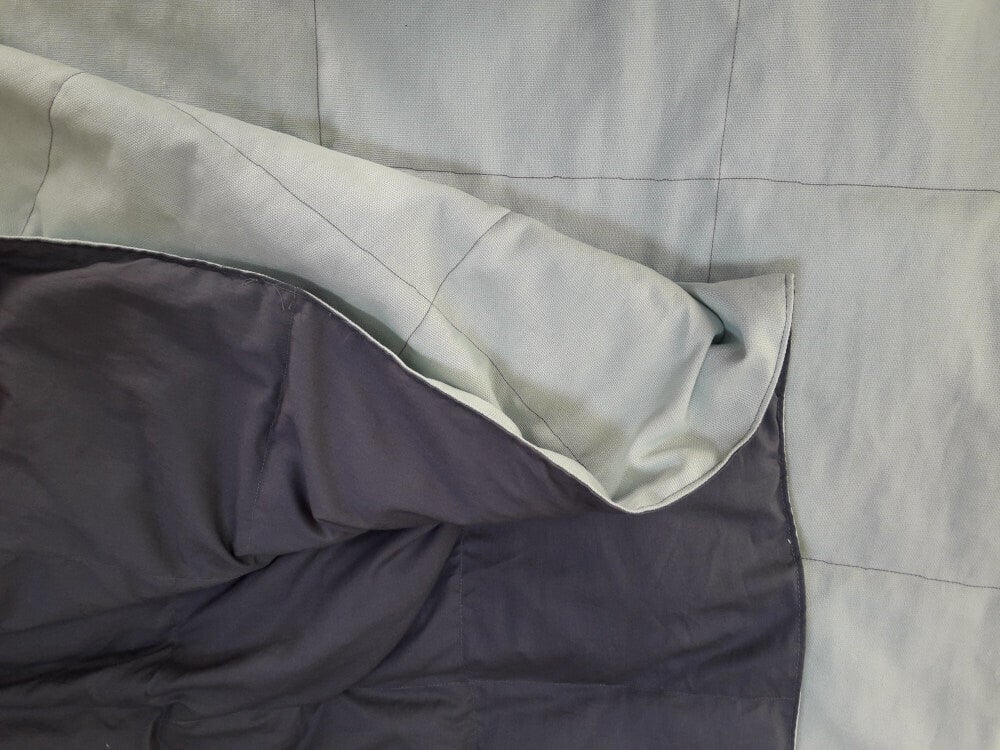
Choose two suitable pieces of fabric for the outer construction.
Cotton poplin and a firmer cotton fabric can work well together, provided they are compatible in weight and care requirements.
Cut the fabric accurately and prepare the seams.
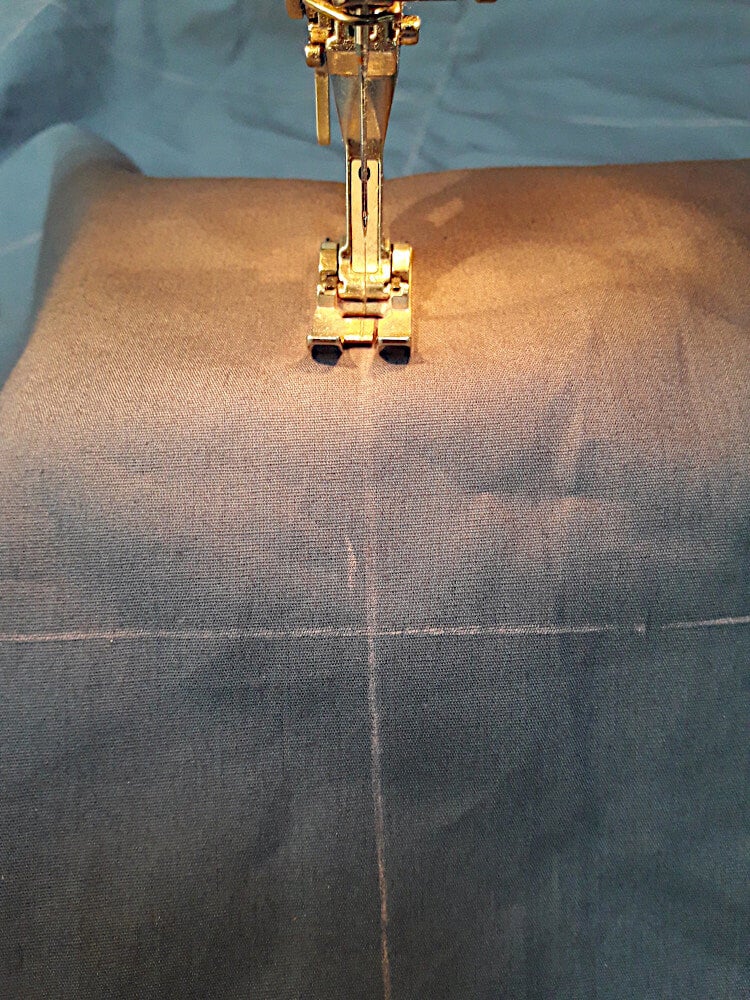
3. Create individual compartments
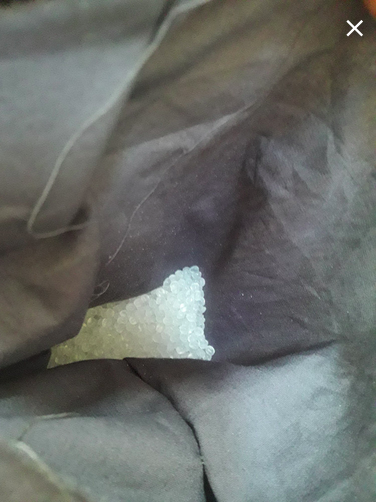
The filling needs to remain evenly distributed.
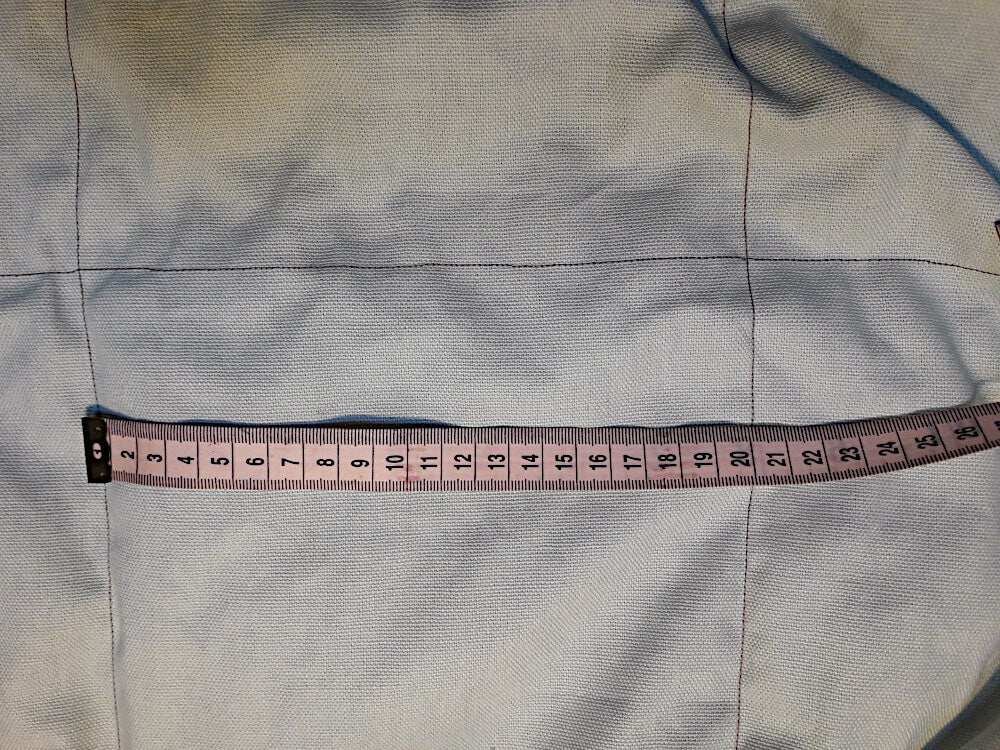
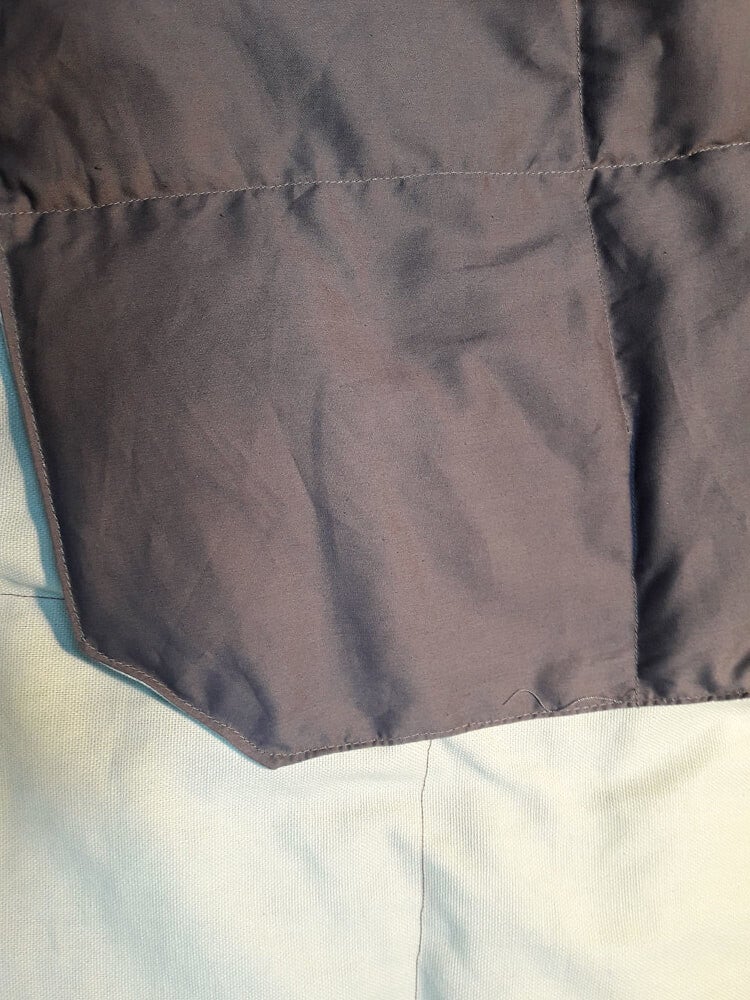
For this reason, the blanket is divided into a grid of small pockets.
The size of these compartments depends on the blanket's dimensions and the filling material.
Smaller compartments generally help prevent the filling from moving too freely.
4. Distribute the filling
The filling must be measured and divided carefully.
Each compartment needs a consistent amount so that the finished blanket does not have heavy and light areas.
This is one of the most important parts of the construction process.
Always follow the specifications of the chosen filling material and calculate the total finished weight before starting.
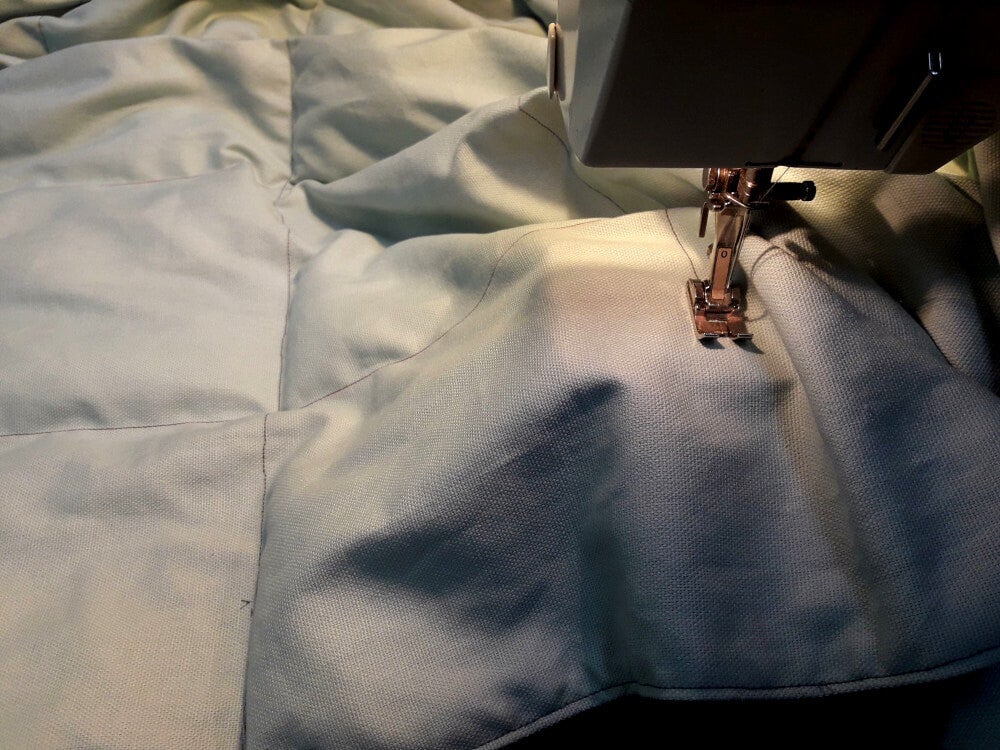
5. Secure the construction
The stitching must be strong enough to withstand regular use.
The seams between the compartments need particular attention, as they hold the filling in place.
A good sewing machine, suitable thread and an adequately sized working surface make the process considerably easier.
Do not rush this stage. Neat, consistent stitching is essential.
6. Finish the blanket
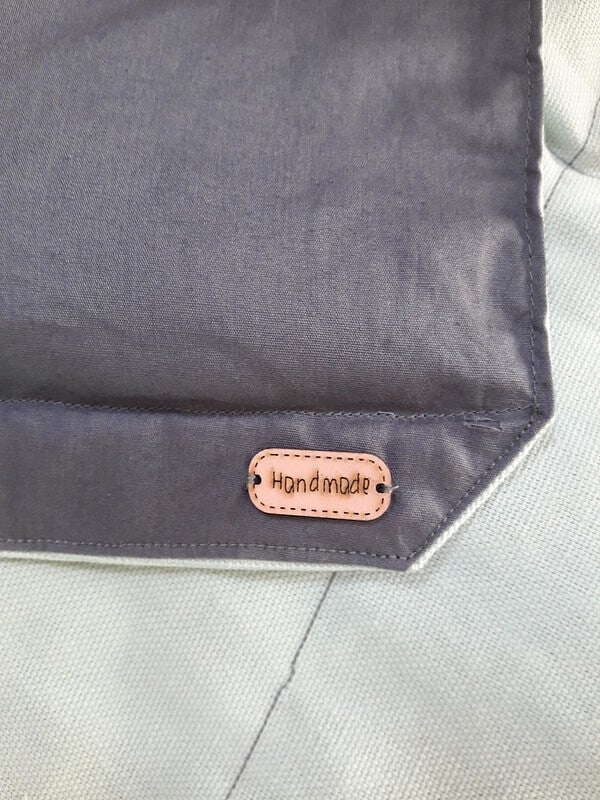
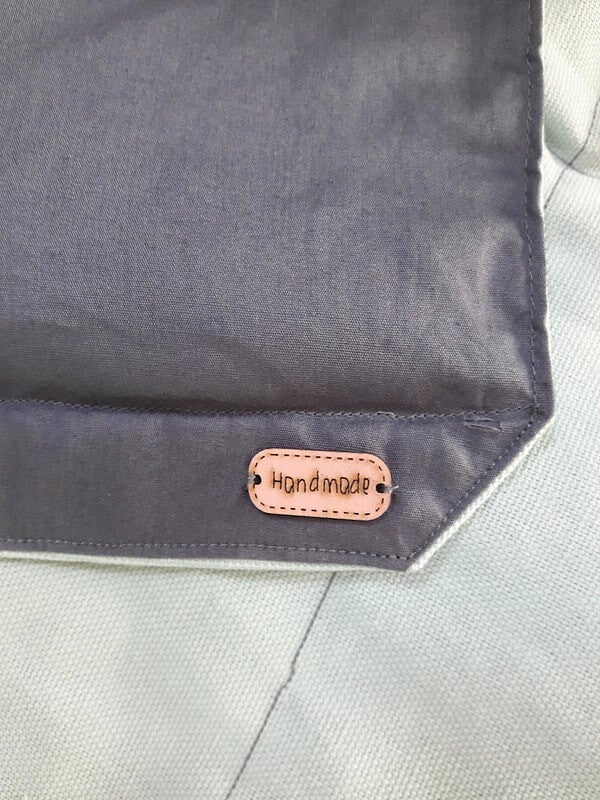
Finally, close the remaining opening and finish the edges neatly.
A removable outer cover can also be a practical addition, as it makes regular cleaning easier without having to wash the weighted inner blanket every time.
Always make sure that the construction and closure are appropriate for the chosen filling and intended use.
Can Everyone Use a Weighted Blanket?
No. This is an important consideration that should never be overlooked.
A weighted blanket is not suitable for everyone.
It should not be used for babies or as a substitute for ordinary baby bedding.
Children should only use weighted blankets following appropriate professional advice and with careful attention to supervision and safety.
Adults with breathing difficulties, circulatory problems, certain heart or lung conditions, reduced mobility or difficulty removing the blanket independently should seek medical advice before using one.
The same applies to people whose medication or health condition affects their alertness or ability to move freely.
The head and neck should always remain uncovered. A weighted blanket must never be used to restrain someone.
If the blanket causes discomfort, overheating, anxiety or difficulty breathing, it should be removed immediately.
A weighted blanket should feel comfortable and reassuring, never restrictive.
A Handmade Weighted Blanket from Handmade Luxury Home
We love the idea of making useful household textiles with care and attention to detail.
A weighted blanket is a good example of how traditional textile craftsmanship can be combined with a practical, contemporary product.
Every detail matters: the choice of fabric, the construction of the compartments, the distribution of the filling and the finishing of the edges.
And, of course, there is the personal element.
Not everyone wants the same colour, fabric, dimensions or finish.
That is why we are also happy to discuss making a weighted blanket especially for you.
If you have a particular size, colour or fabric in mind, please get in touch. We can discuss the possibilities, the suitable materials and the construction together.
We work with carefully selected materials and make our textiles ourselves, rather than relying on mass production.
A handmade blanket takes time and attention, but that is precisely what makes it special.
Handmade, Thoughtfully Made
At Handmade Luxury Home, we believe that everyday textiles deserve the same attention to quality and craftsmanship as more decorative pieces.
A blanket is not simply something to put on a bed or sofa. It is something you use, touch and live with.
Whether you prefer a traditional quilt, a beautifully textured throw or a specially made weighted blanket, we appreciate the value of good materials and careful workmanship.
Because the things we use every day deserve to be made well.
Add comment
Comments