
The Great Sewing Race: Does the Fastest Maker Really Win?
From The Great British Bake Off (in the Netherlands: Heel Holland Bakt) to ' Who wants to marry a millionaire' or in the Netherlands, the popular 'Boer zoekt vrouw' television audiences seem to have a fascination with competitions. We watch people follow their dreams, show their talents, make mistakes, get eliminated and, finally, celebrate just one winner....
Somehow, we cannot look away. What exactly makes these television shows so entertaining? Is it the excitement of having a winner? The drama of someone being voted out? Or perhaps the psychological pleasure of watching other people succeed or fail while we sit comfortably on our sofas?
I must admit, I have mixed feelings about these series. Of course, it is wonderful when someone wins. But I often feel rather sorry for those who don't make it to the final. Perhaps they made one wrong decision, misjudged a situation, or simply weren't quite talented enough this time. Their dream suddenly disappears in front of millions of viewers.
The winner takes it all?
What about the winner? How long does that moment of fame actually last? A year later, can we still remember who won that particular series? Nonetheless, these series are fascinating. They tell us a lot about human behaviour: ambition, competition, confidence, disappointment and the desire to be recognised.
When Sewing Becomes a Race Against the Clock
I often find myself thinking about these television competitions from a completely different perspective: sewing.
The British programme The Great British Sewing Bee has been quite successful. The Dutch version, however, never really captured the same audience and after one year, the programme was gone...
I have a theory about that.
Sewing is not a race against the clock. At least, it shouldn't be.
Good sewing requires time. Time to think, design, measure, experiment, make a mock-up, unpick mistakes and sometimes start all over again. A beautiful garment is rarely the result of simply working faster than everybody else.
Yet, in a television competition, contestants have limited time. They must make decisions quickly, often without the opportunity to reconsider their ideas or improve their work.
So who wins?
Quite possibly, the person who works fastest, makes the fewest mistakes under pressure, and understands exactly what the judges want. But does that person necessarily create the most beautiful garment? Perhaps the contestant who was eliminated would have produced something extraordinary with another two days, a little more thought and the opportunity to try again. We will never know.
Imagine telling a group of builders: "You have three days to build a house. The fastest builder wins!" Would you expect the winner to have built the most beautiful, comfortable and well-constructed house?
I have my doubts.
Wait... What About Painting?
There is one interesting exception to my theory. Television competitions about painting have attracted audiences too. And painting is certainly an art form that requires thought, patience, and creativity.
Perhaps the difference is that painting can be more spontaneous. An artist can make decisions directly on the canvas, change a composition or add a new layer. There are different techniques: those that have fast results and those that need days-weeks of drying of several layers. Or perhaps we simply enjoy watching someone create something beautiful, regardless of the time pressure.
After all, creativity is difficult to measure. And judging art is never entirely objective.
The Winner Isn't Always the Best
Perhaps this is the real fascination of these competitive series. We like to believe that competitions reveal the best person, the best baker, the farmer who finally has a relation, or the best artist. But they actually reveal something slightly different: who performs best under those particular circumstances, within those particular rules, on that particular day. And that is not necessarily the same thing as being the most talented.
In my atelier, I prefer a different kind of competition: the one against my own standards. Taking the time to get something right, learning from mistakes and creating something that will hopefully still be admired many years from now.
No ticking clock. No elimination round. No dramatic announcement from a television presenter.
Just a sewing machine, a good pair of scissors and, occasionally, a rather stubborn piece of fabric.
Honestly, I think that is quite enough drama for one afternoon!
Marga van der Vet
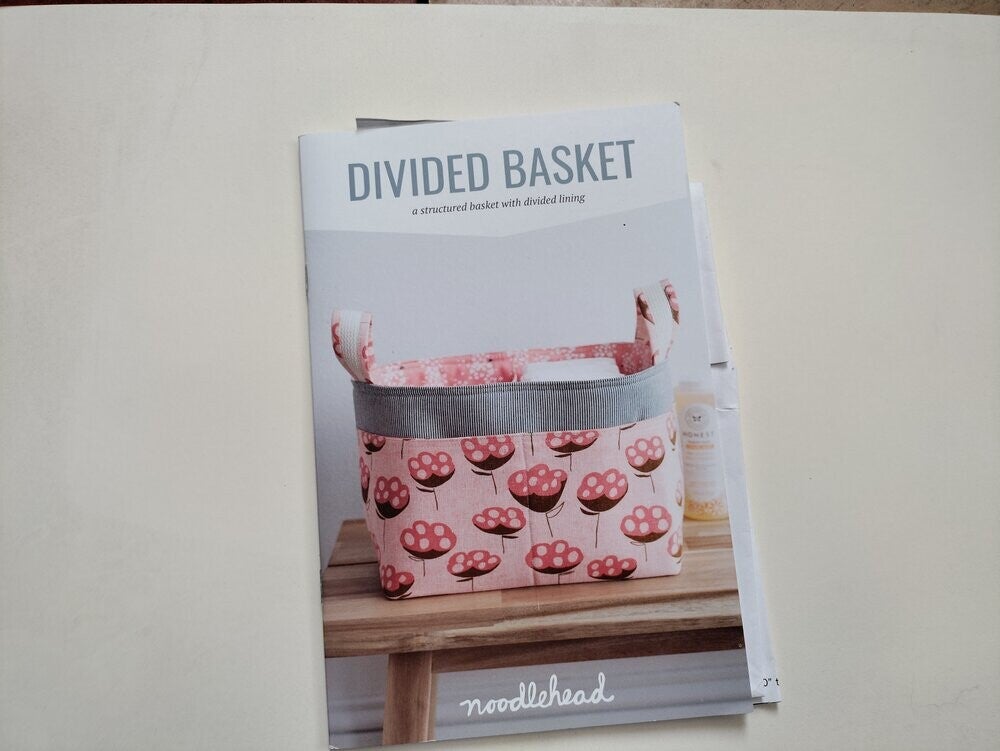
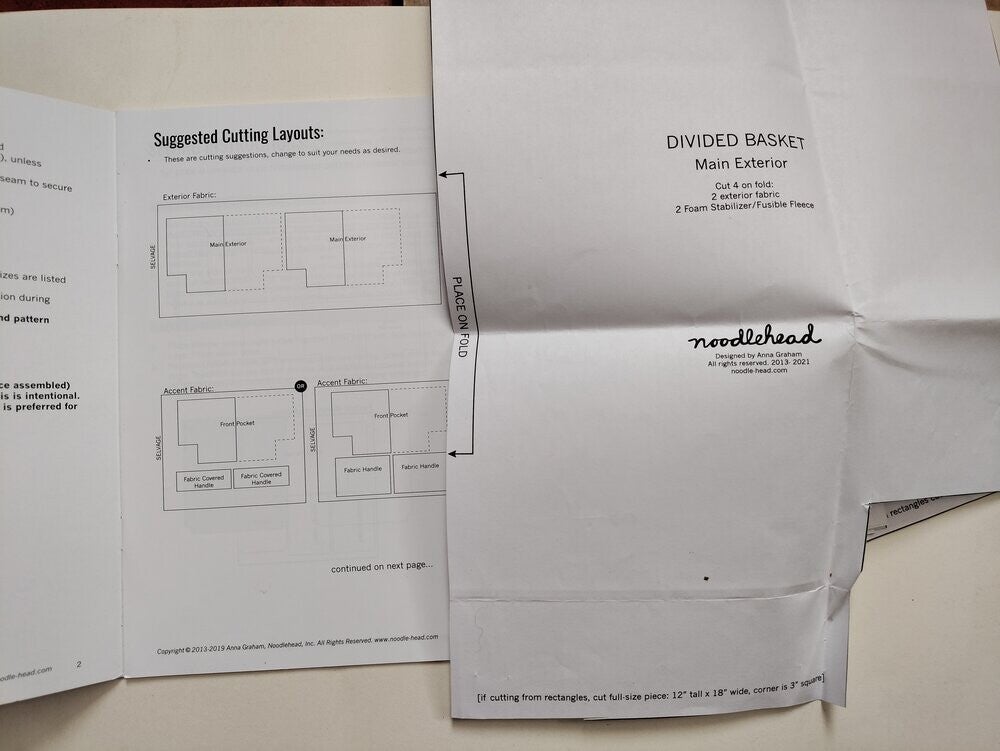
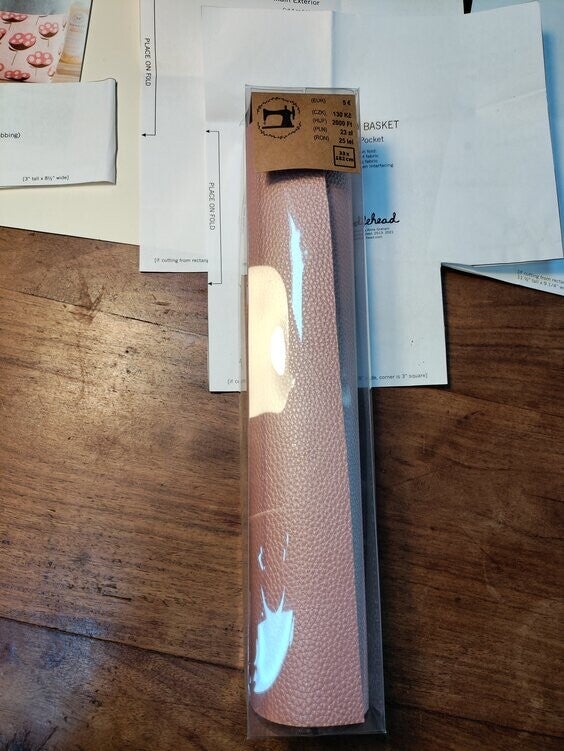
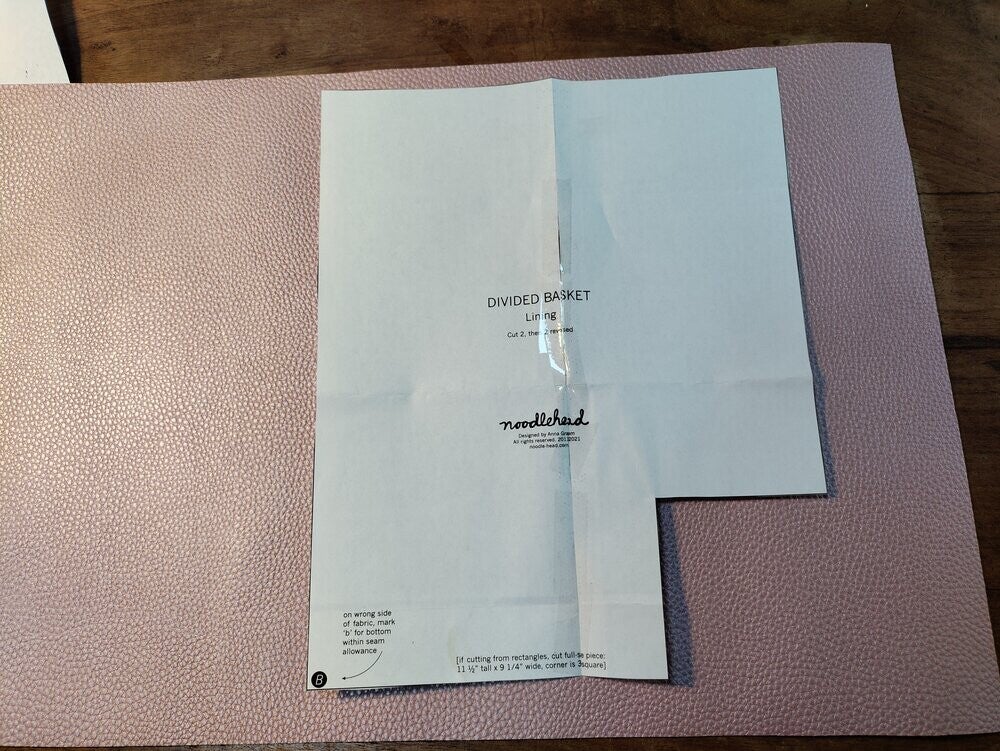
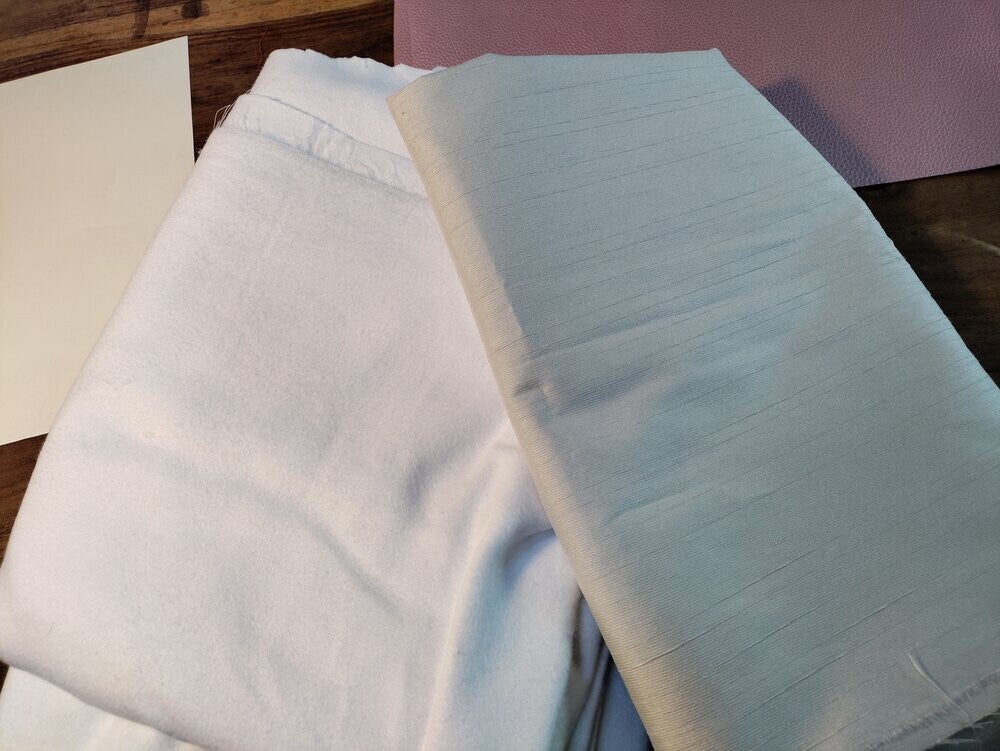
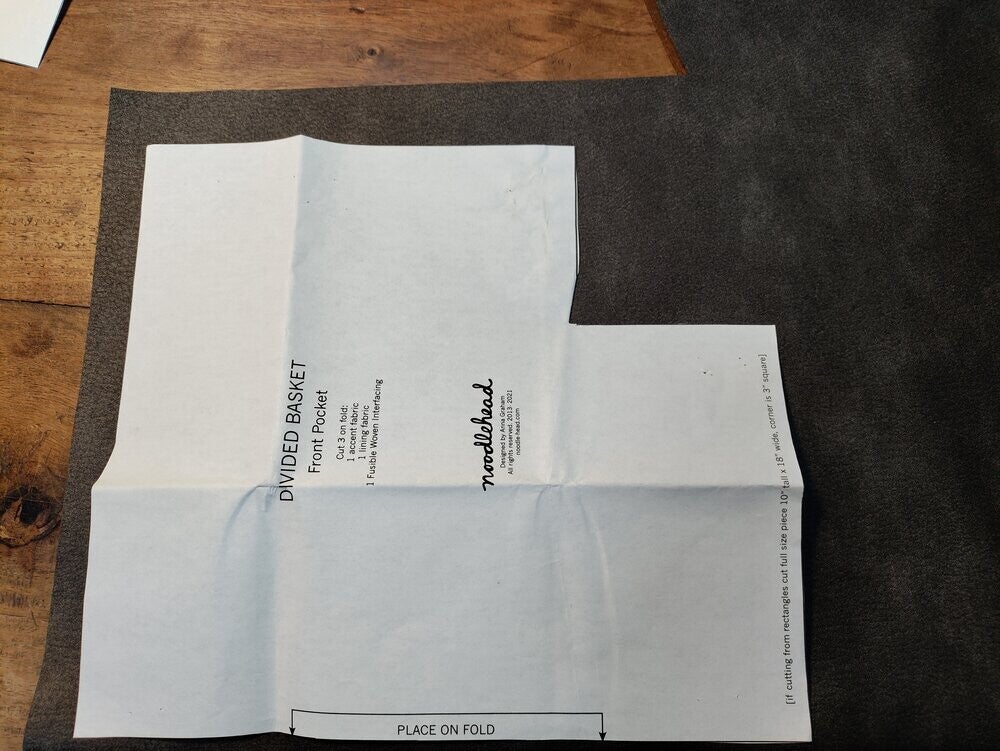
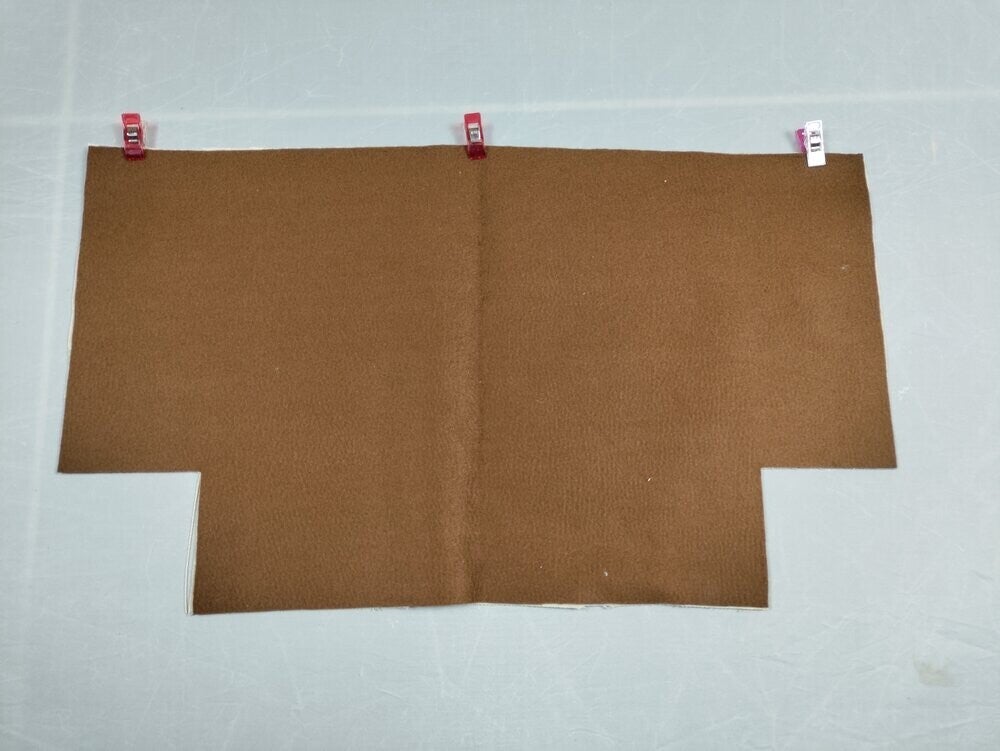
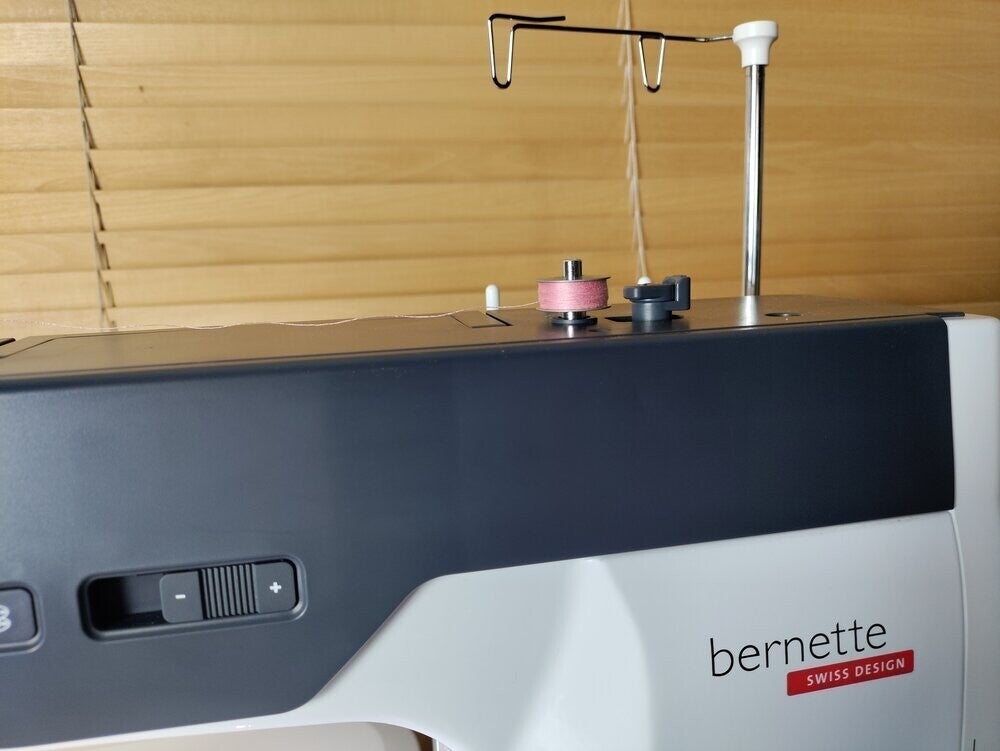
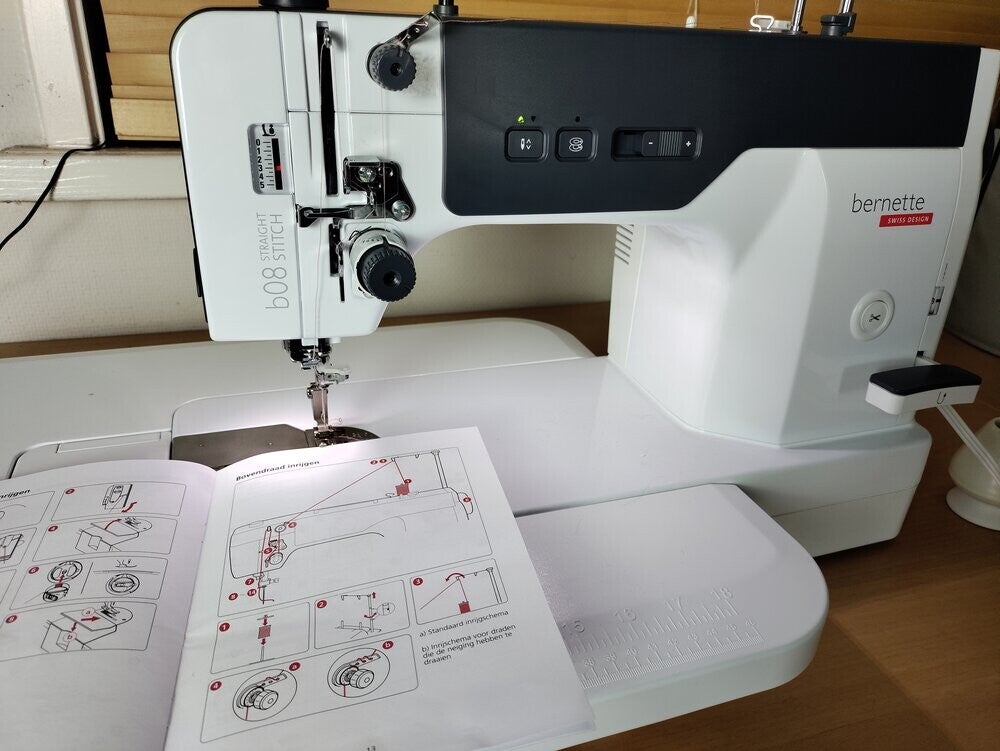
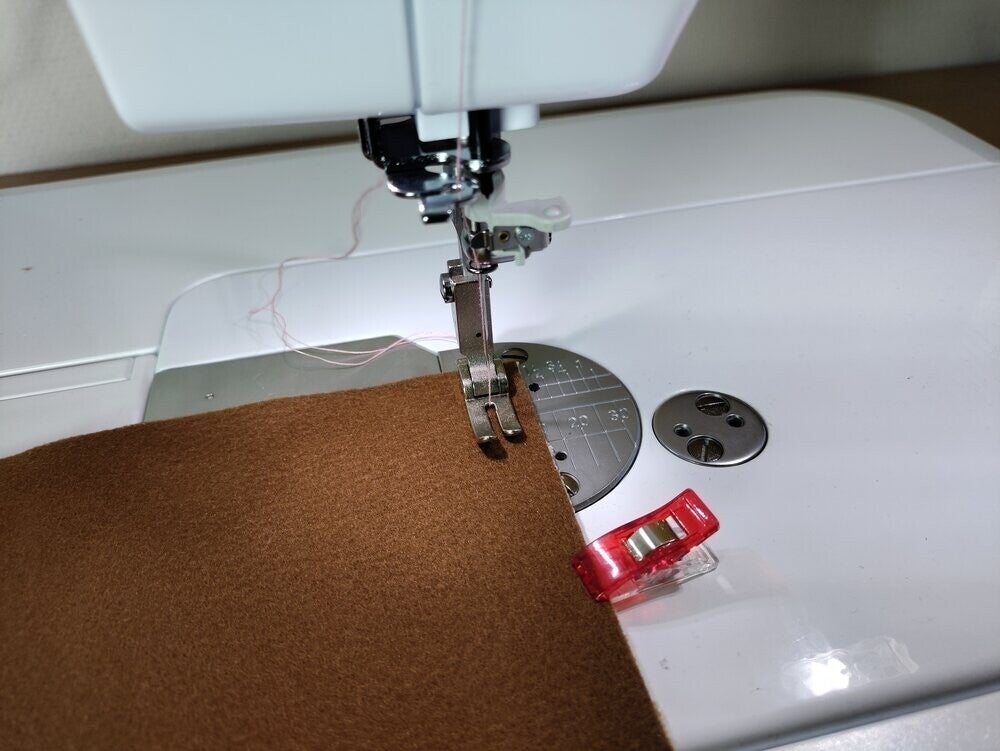
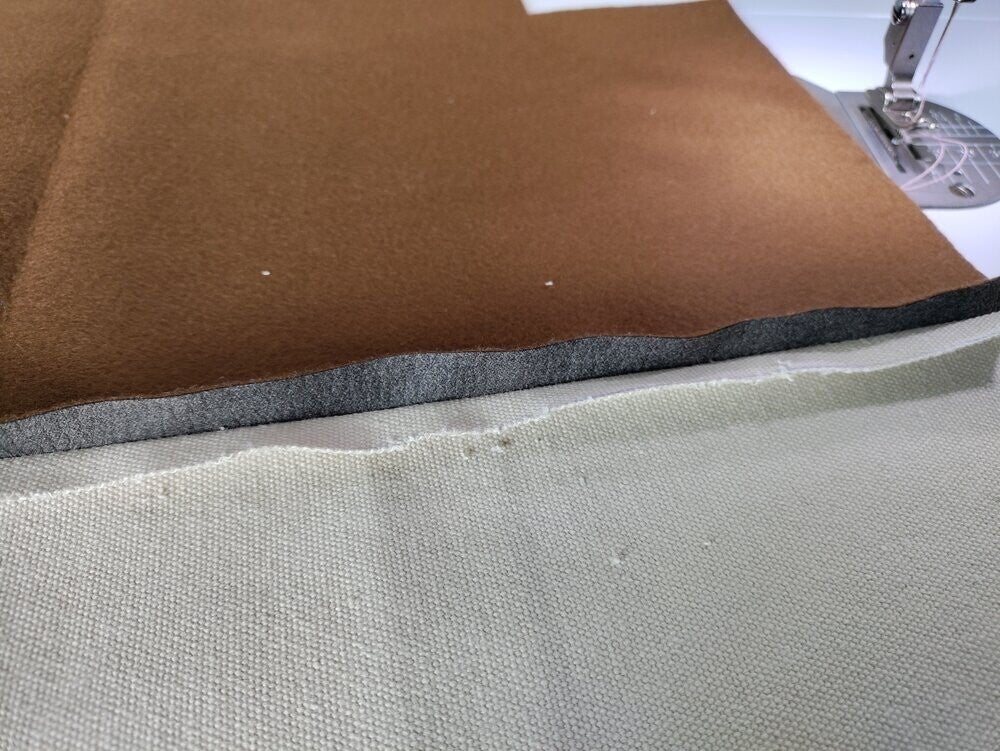
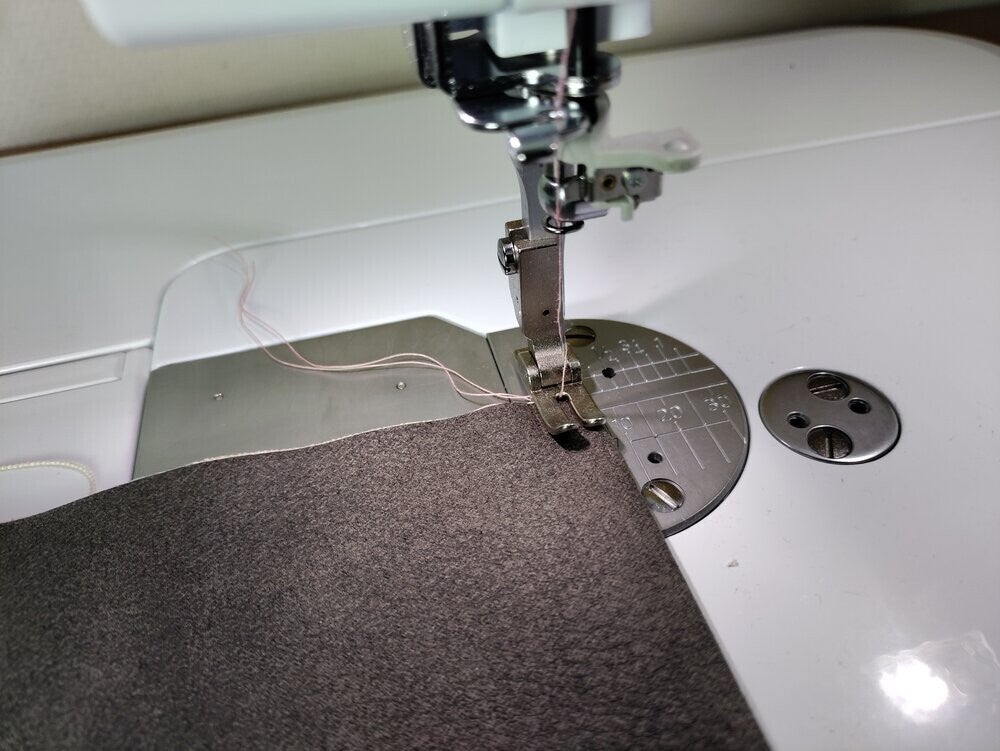
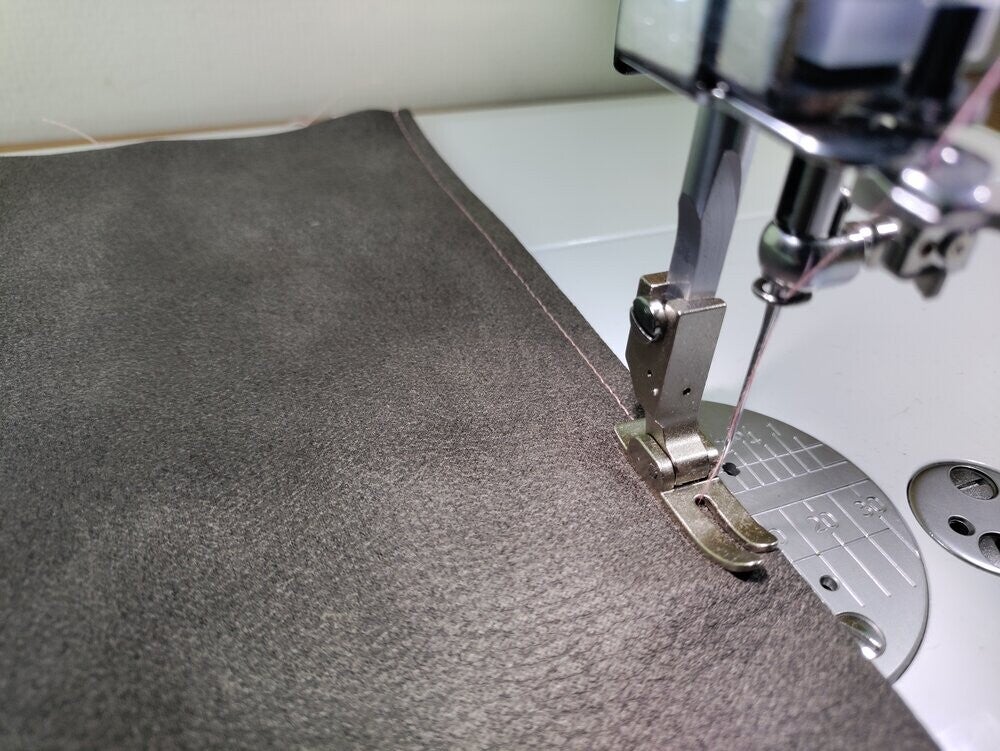
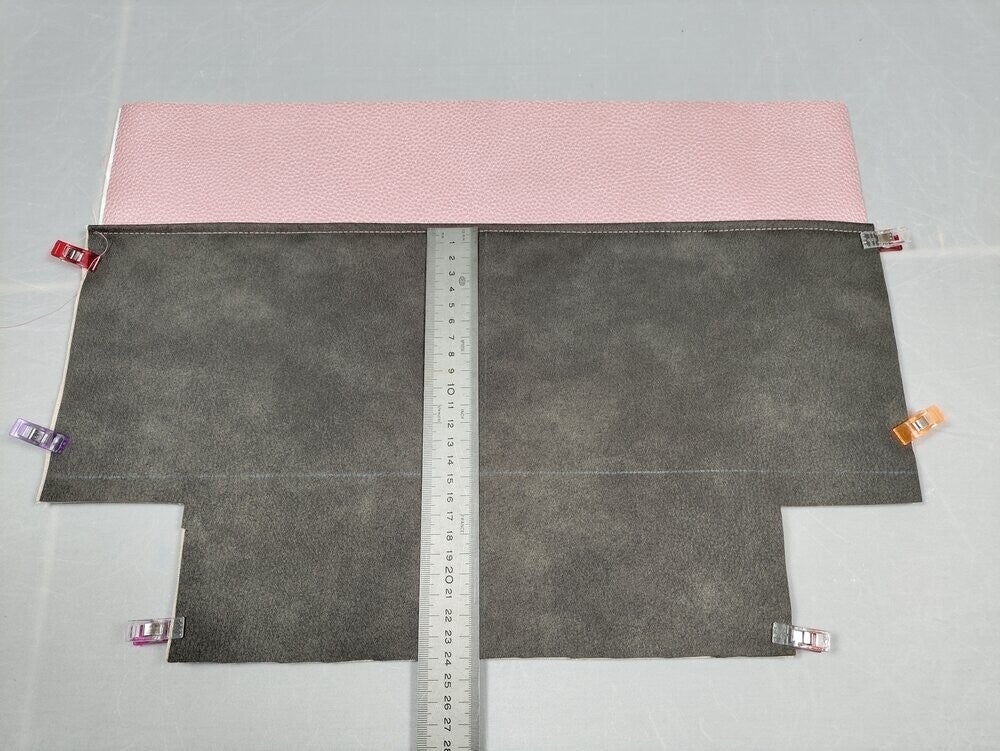
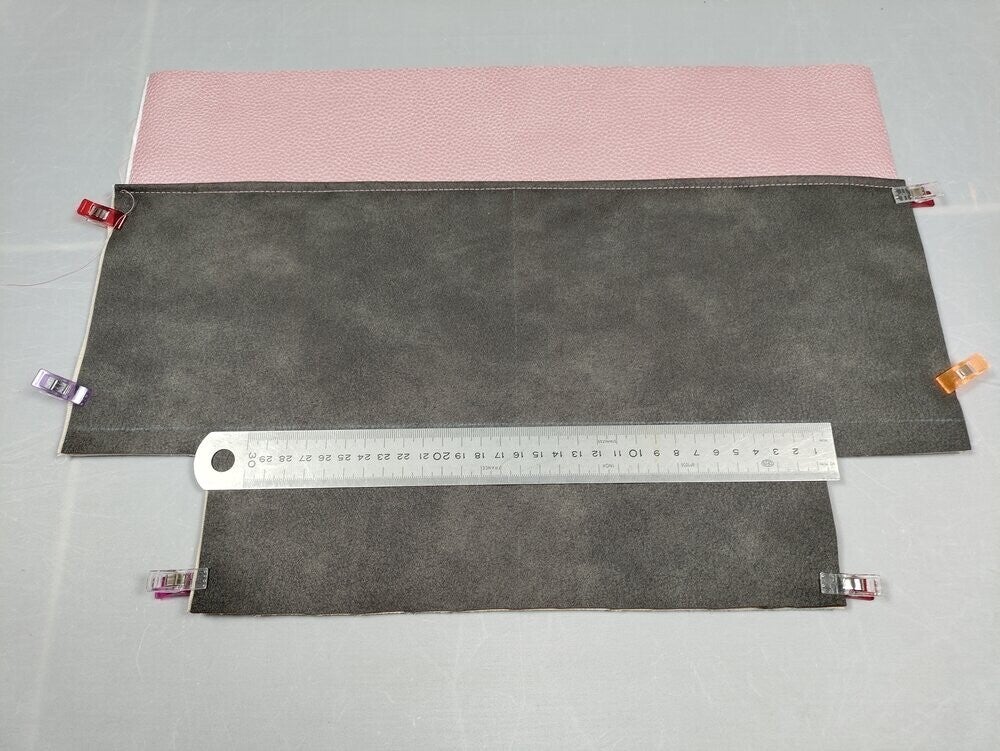
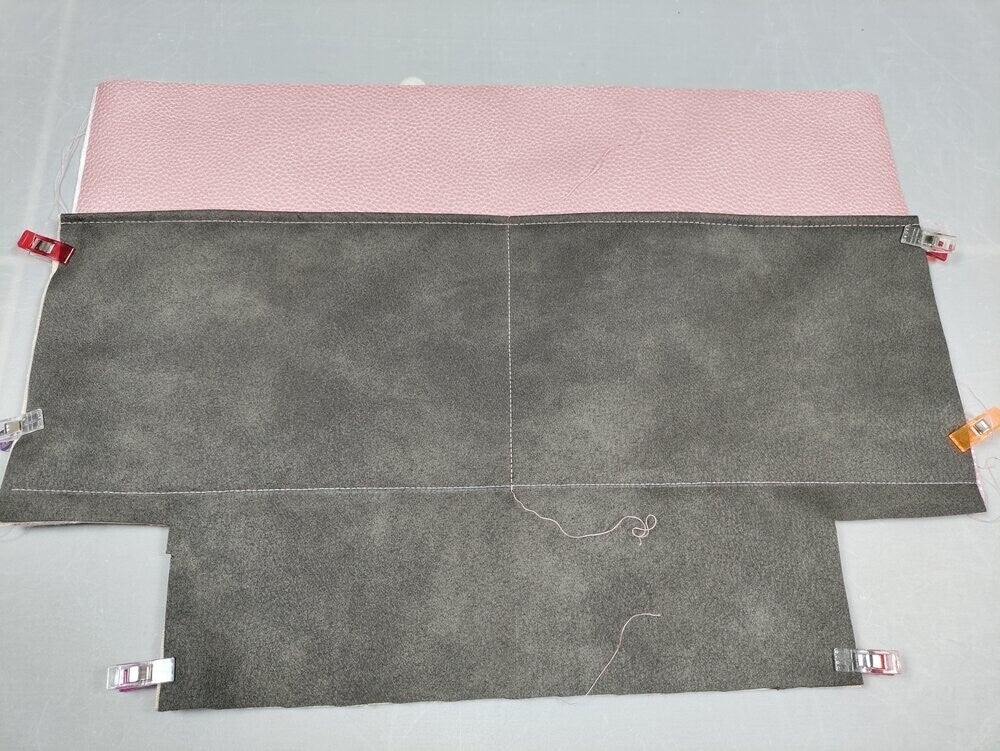
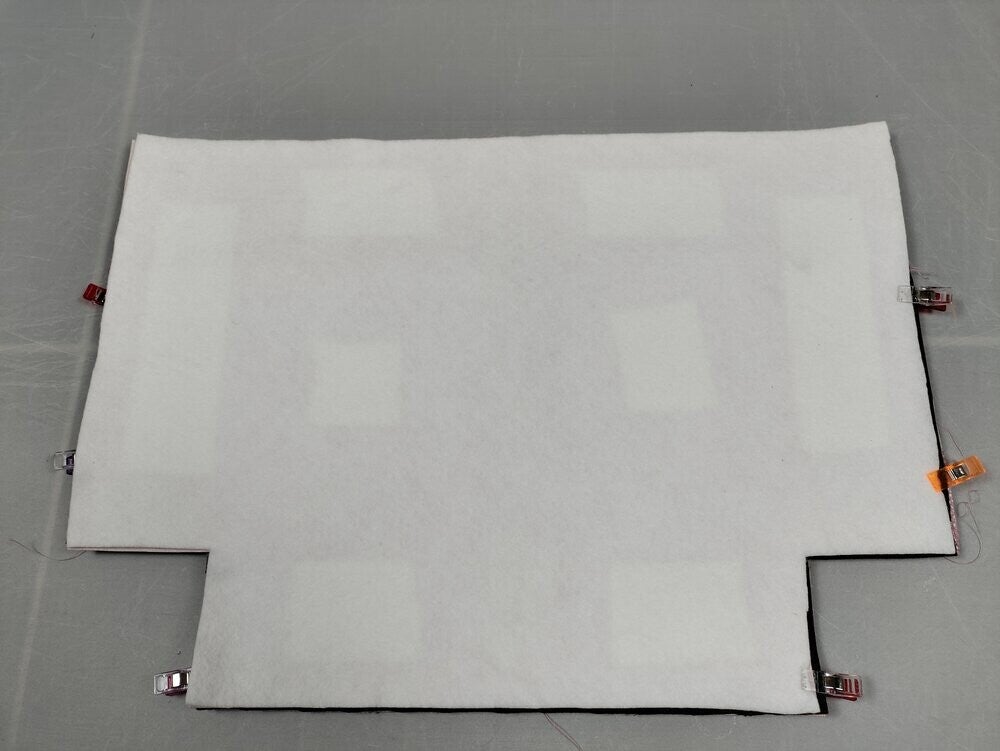
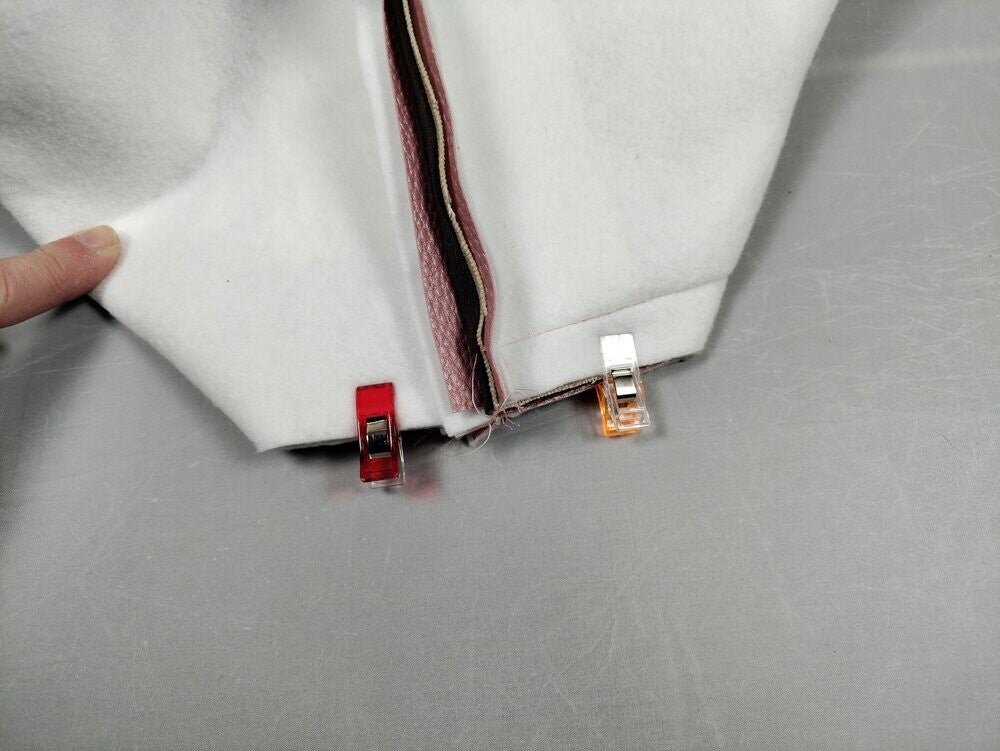
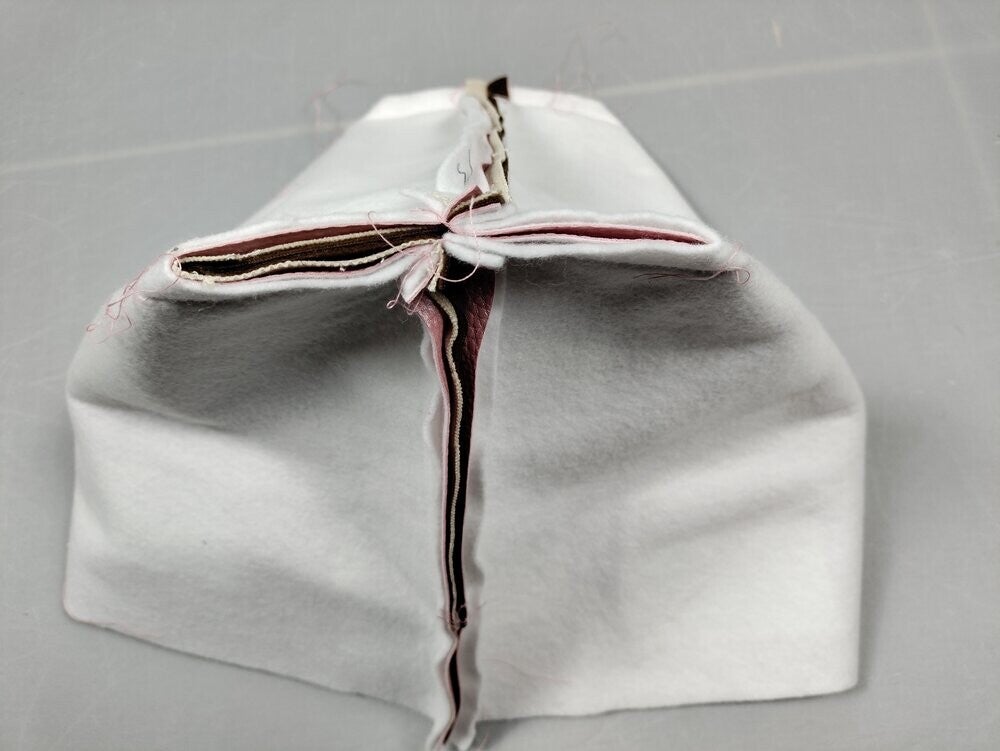
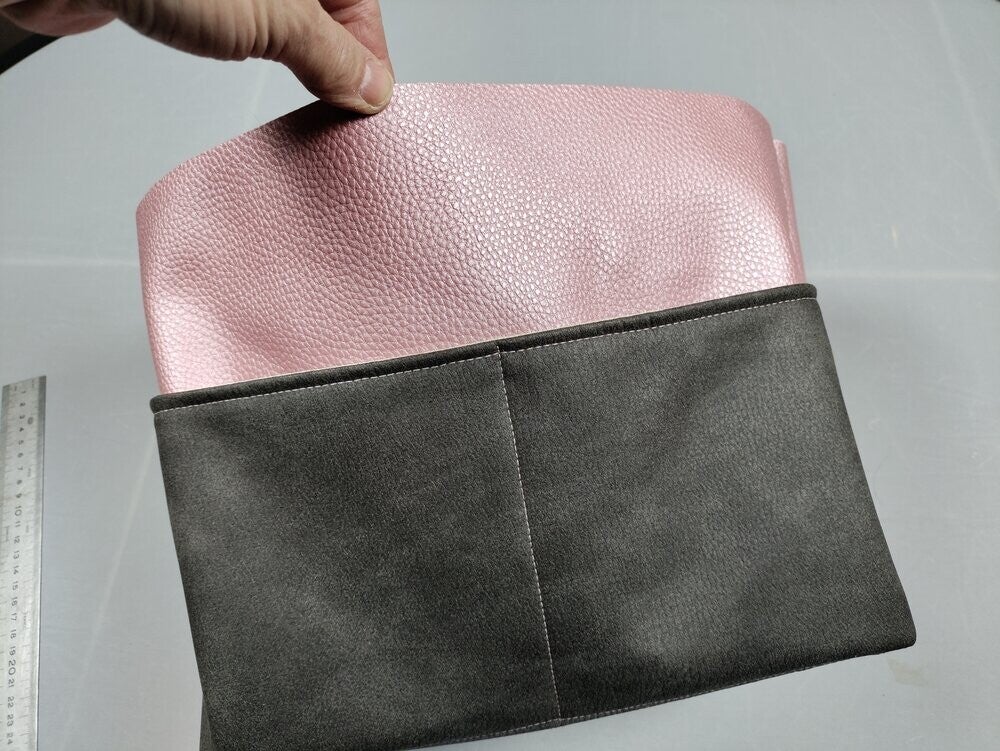
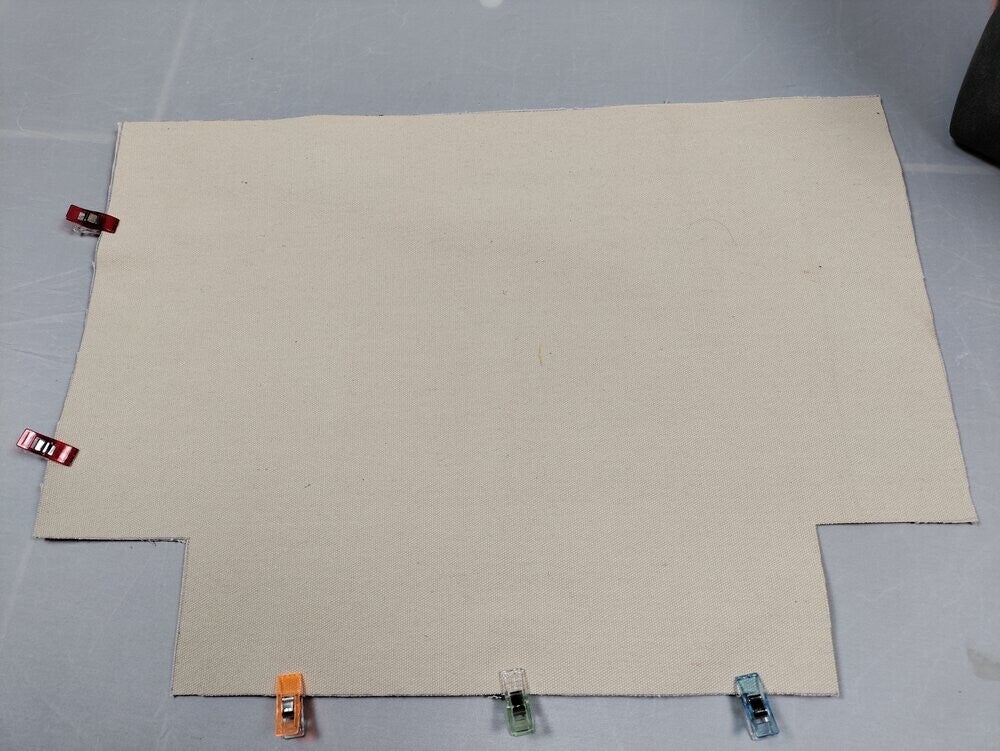
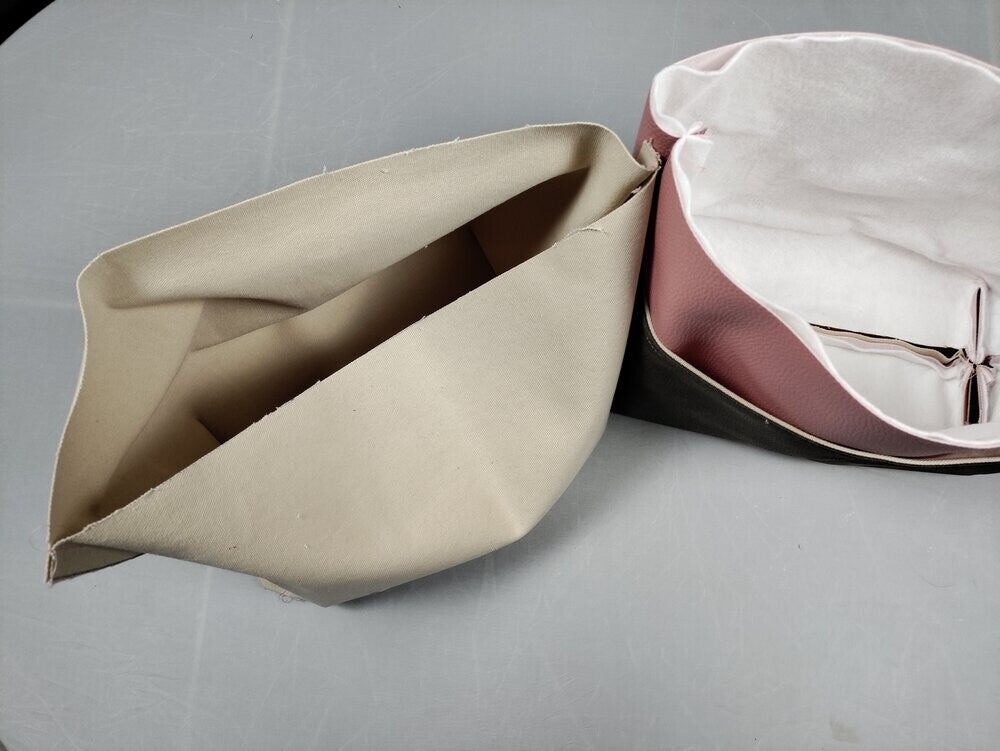
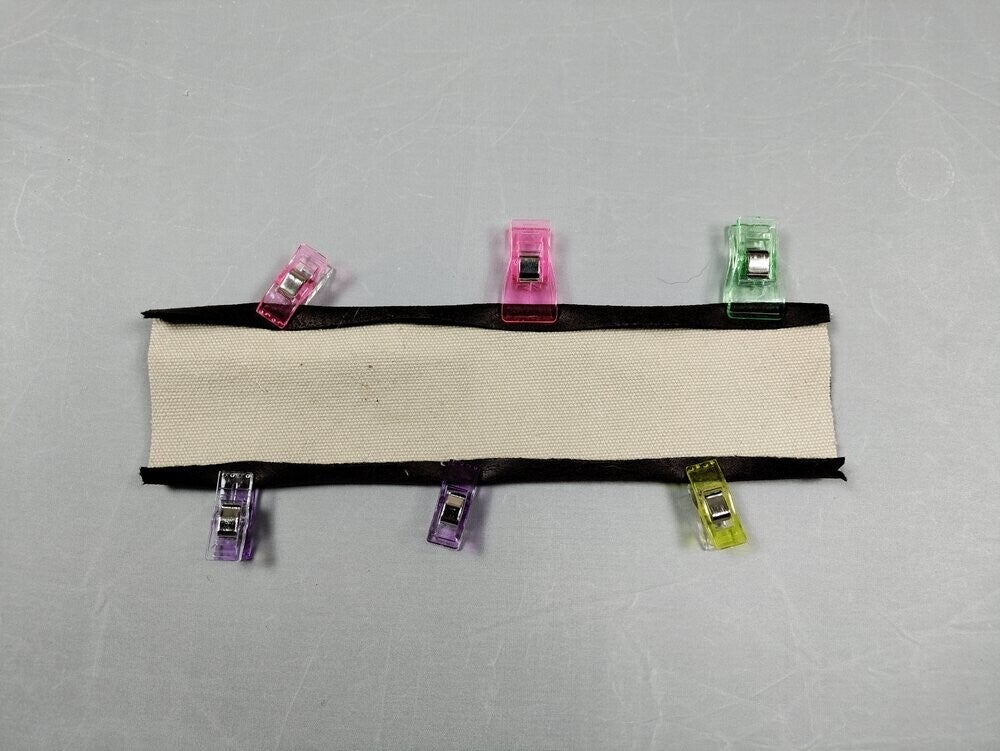
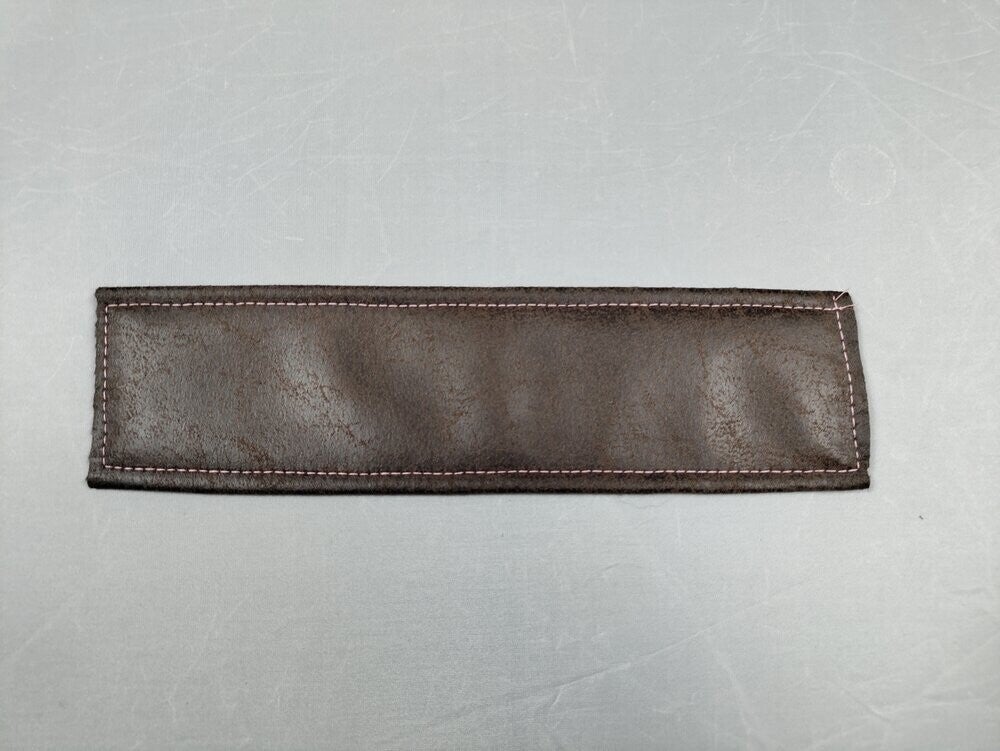
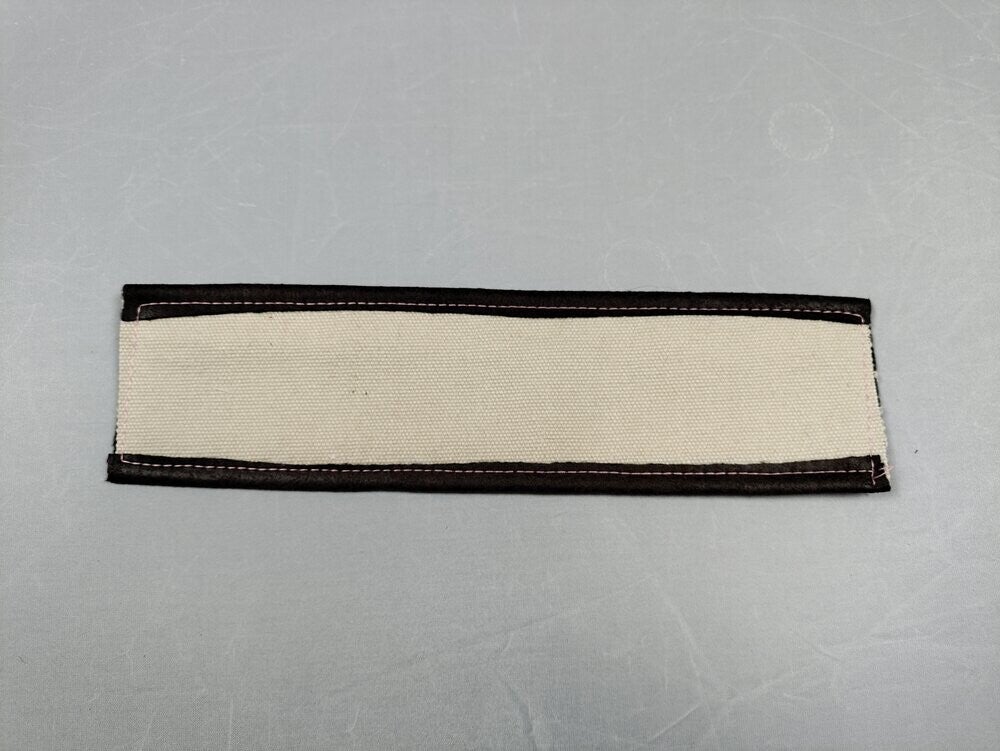
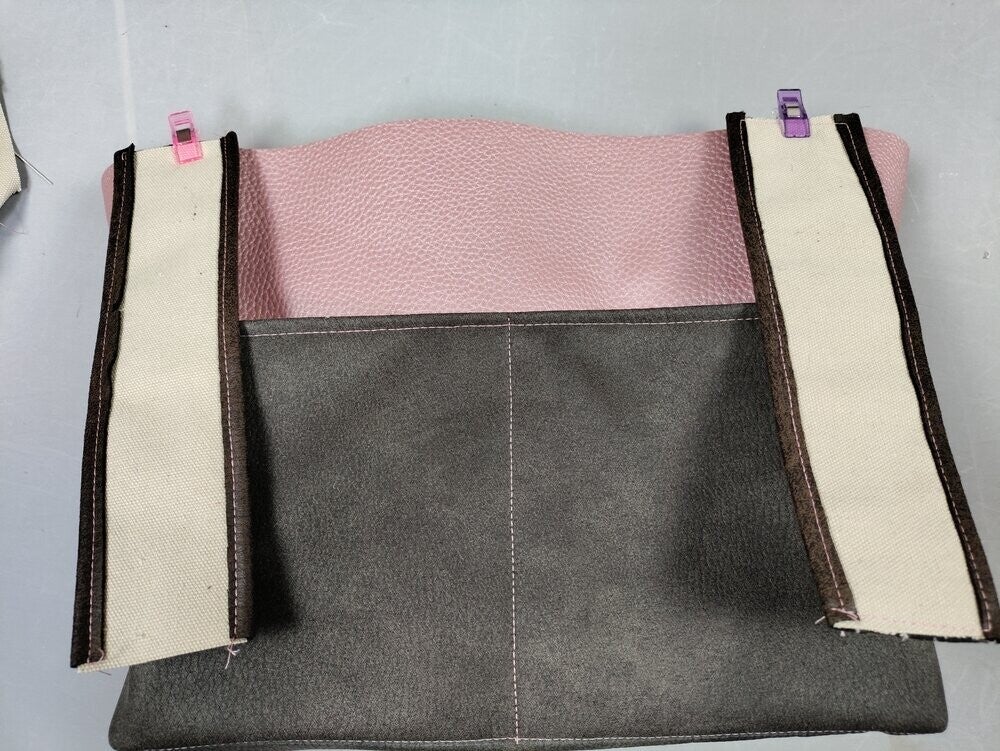
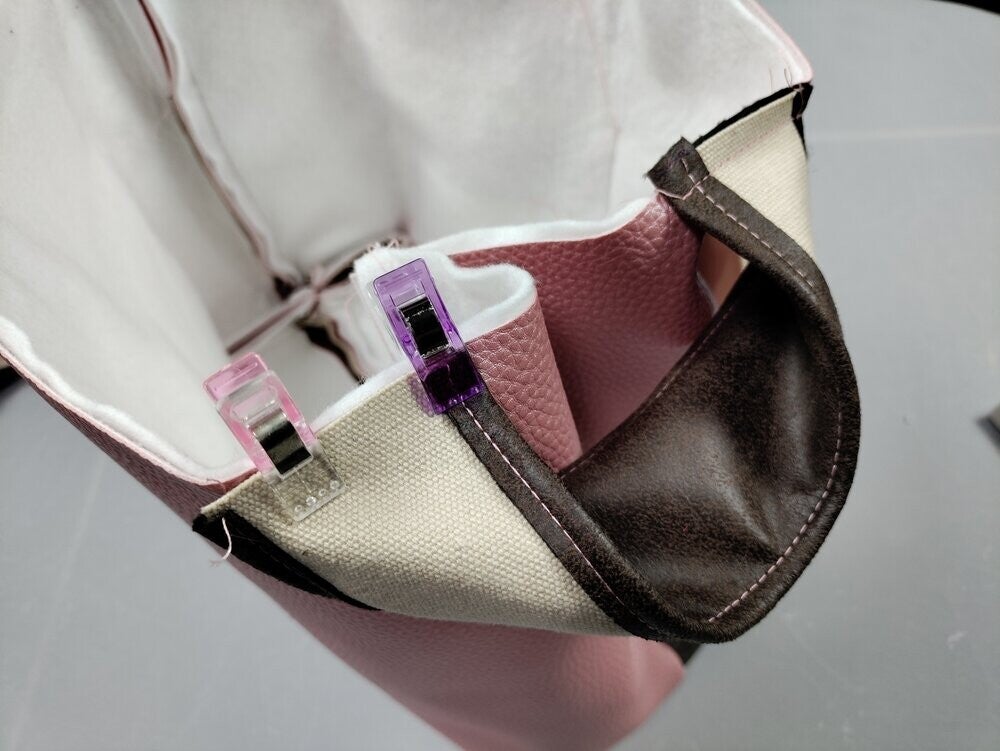
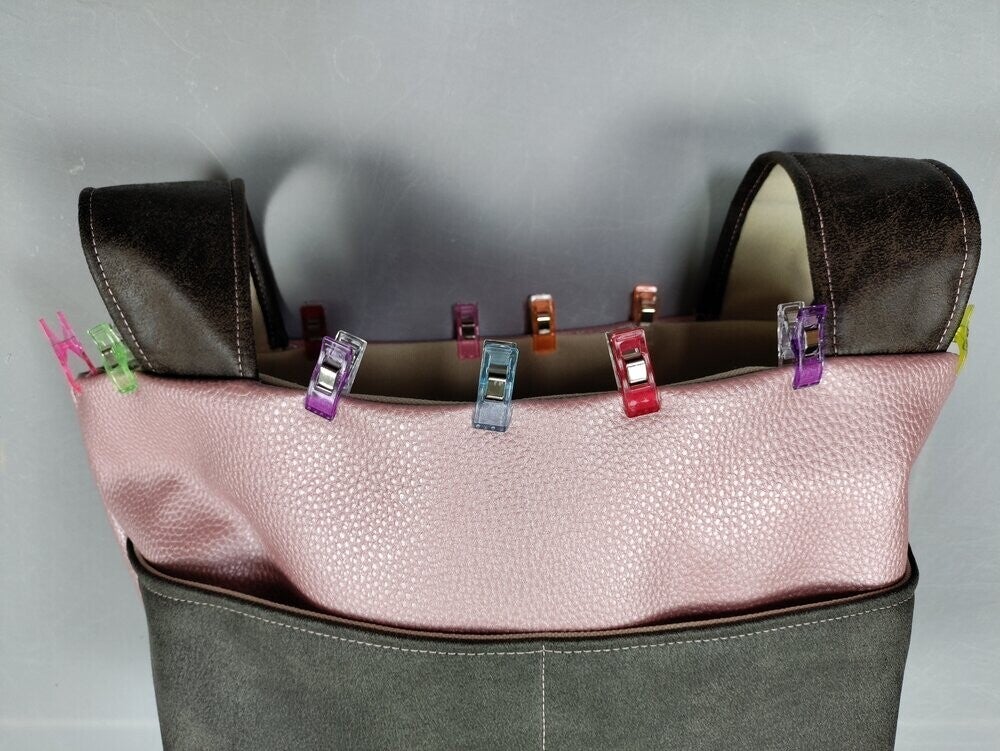
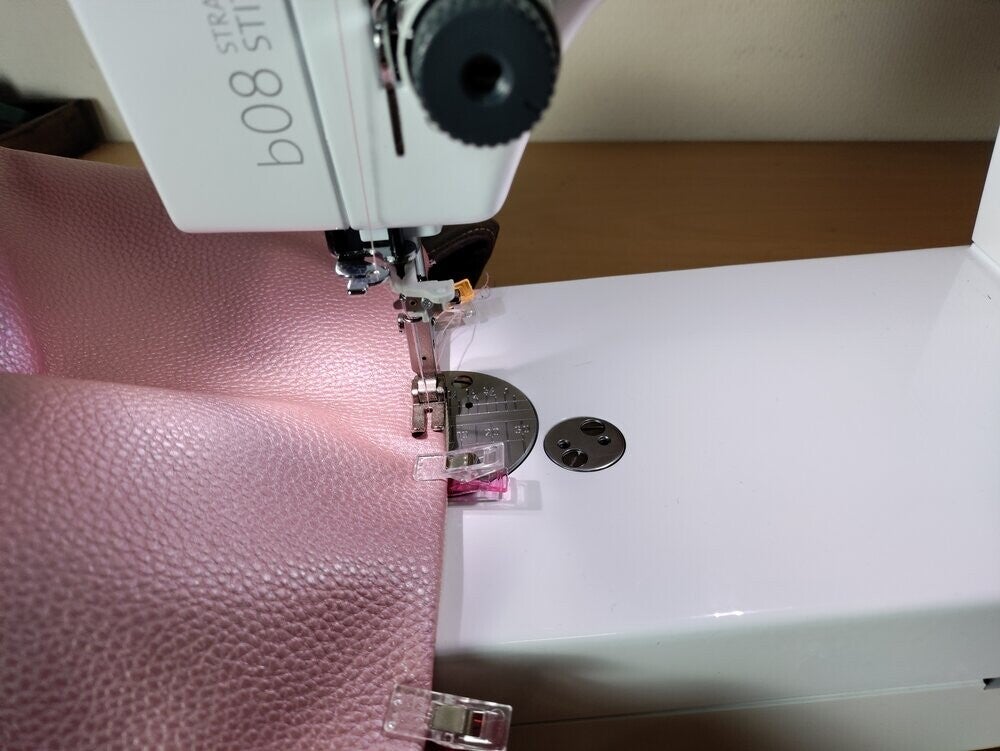
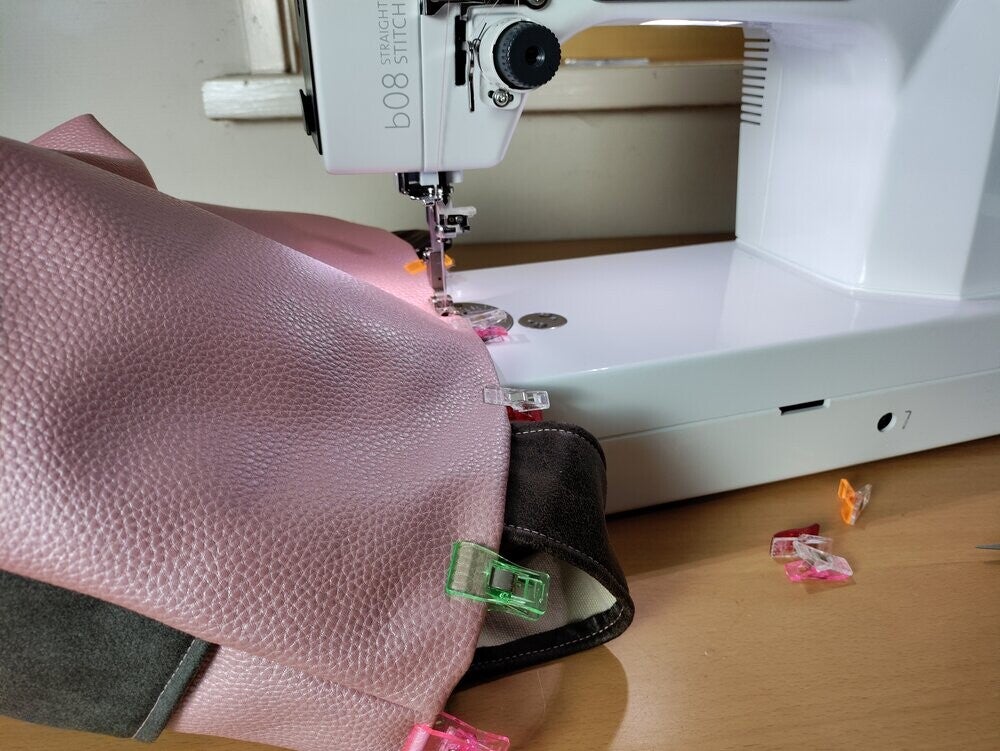
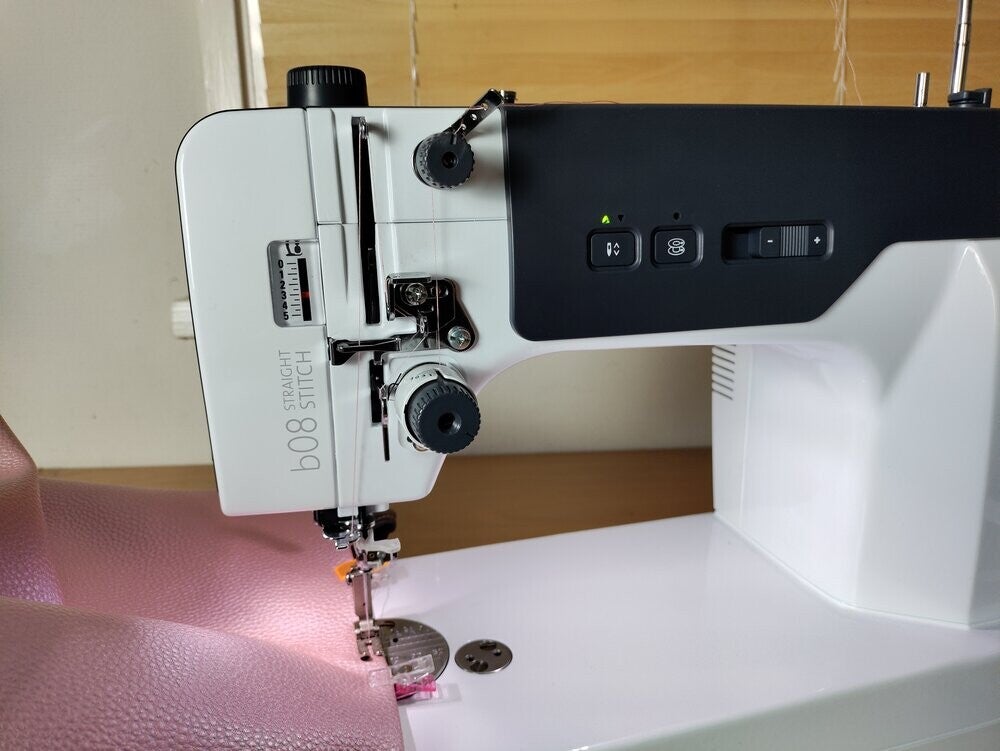
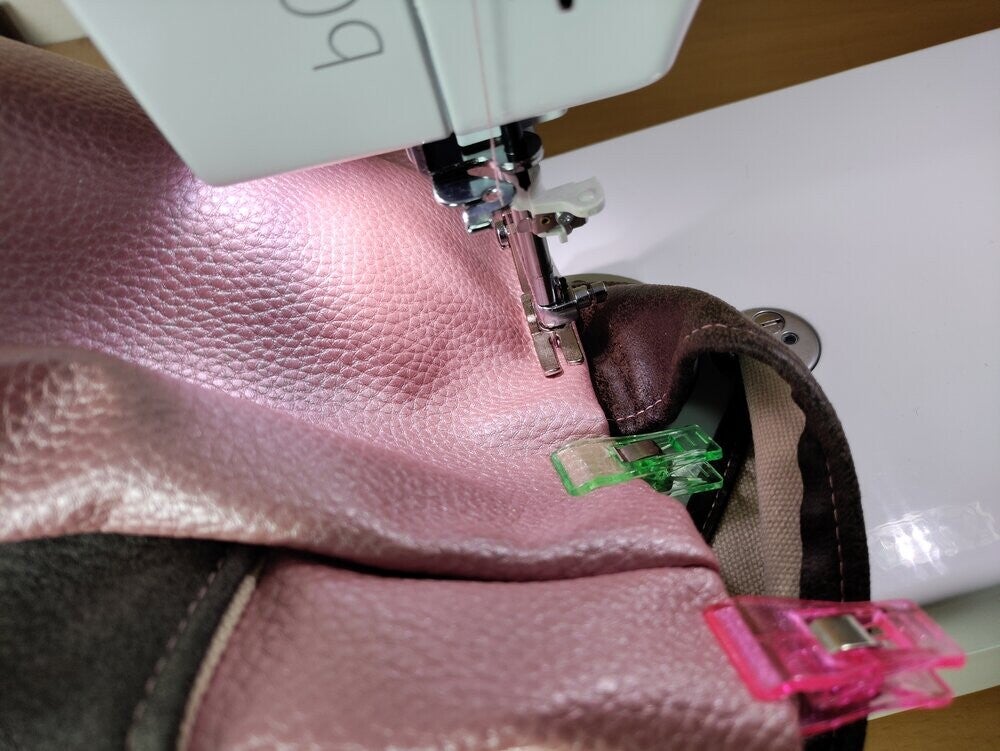
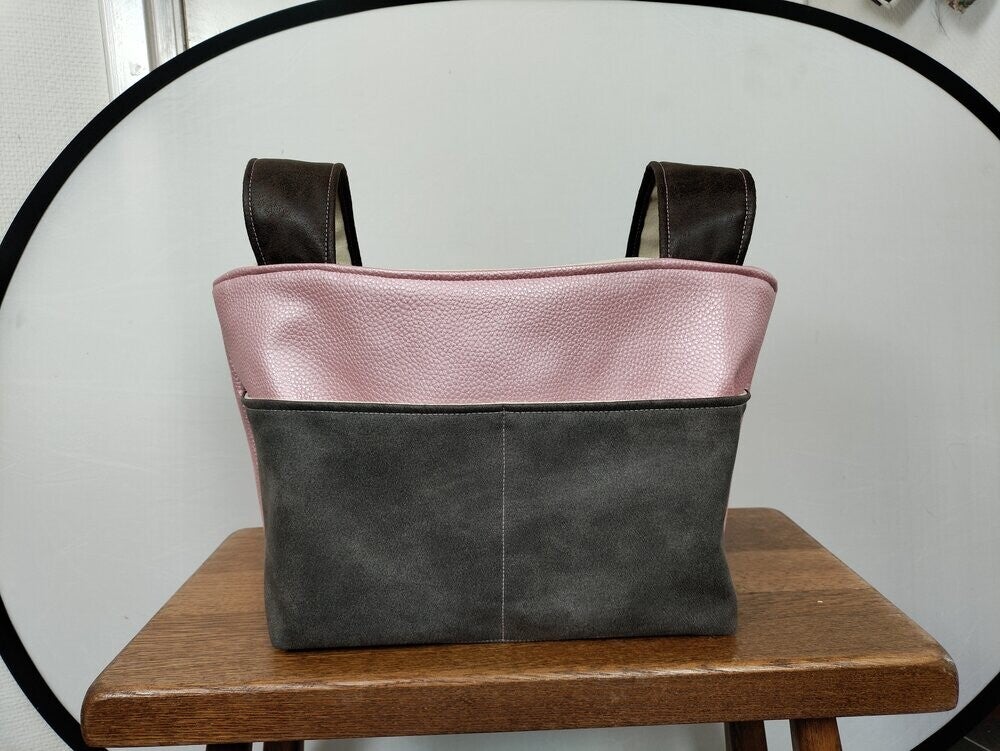
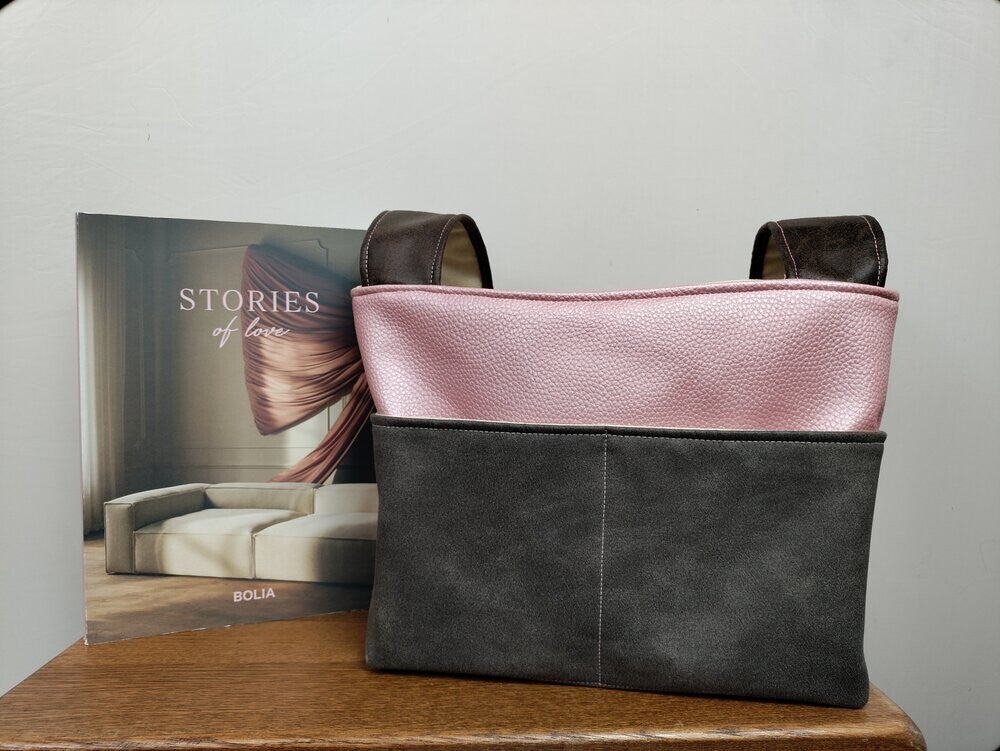
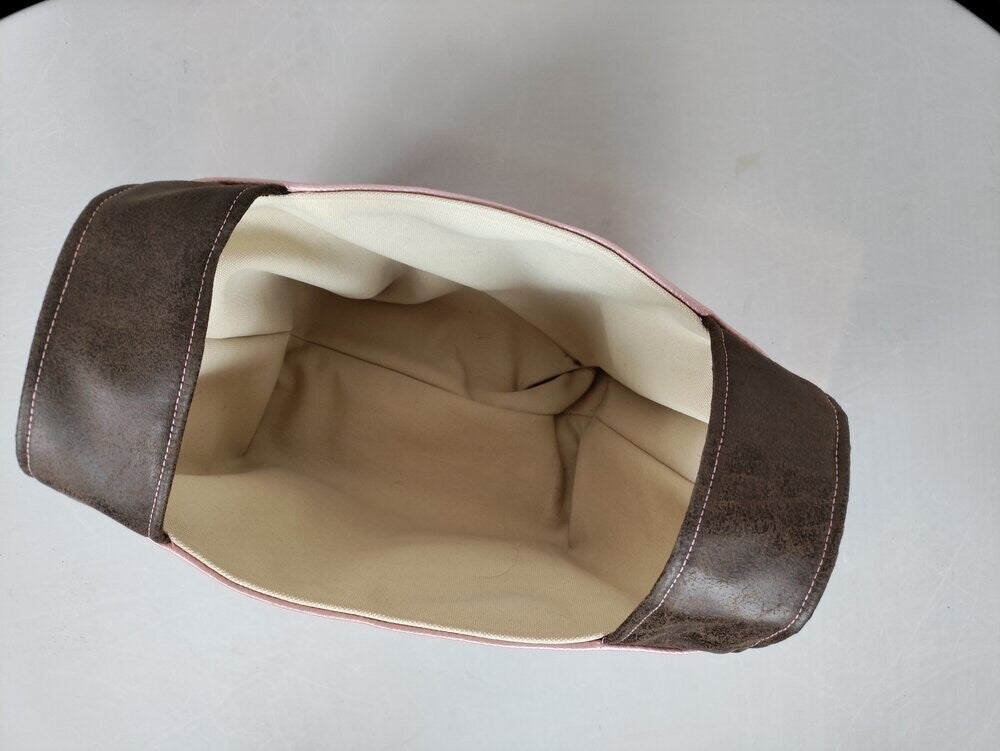
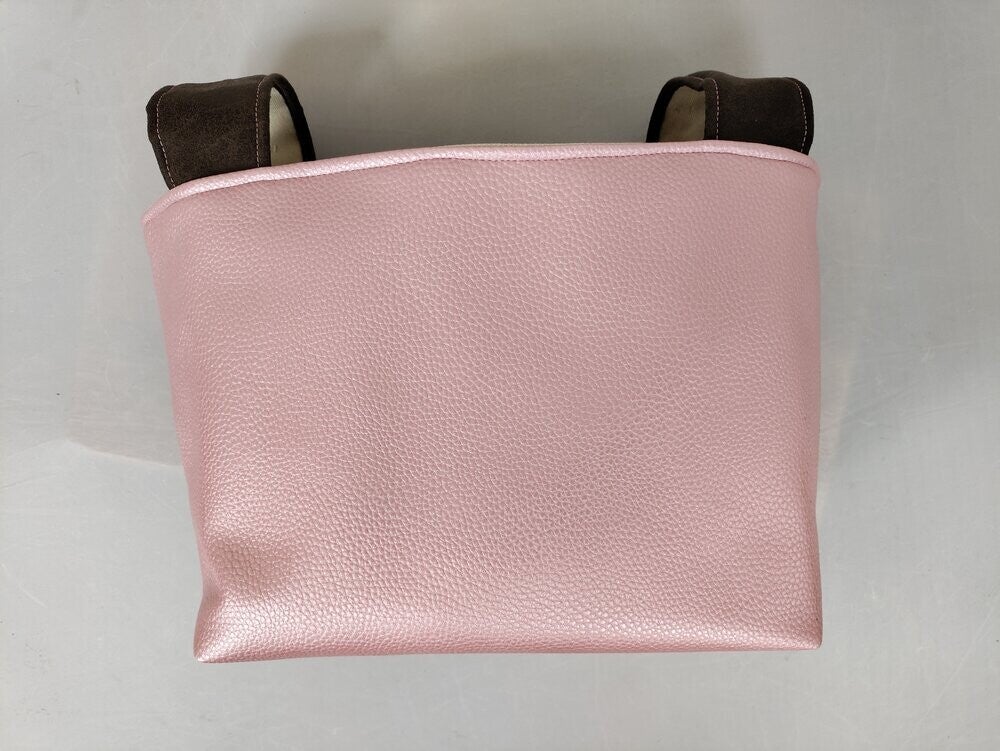
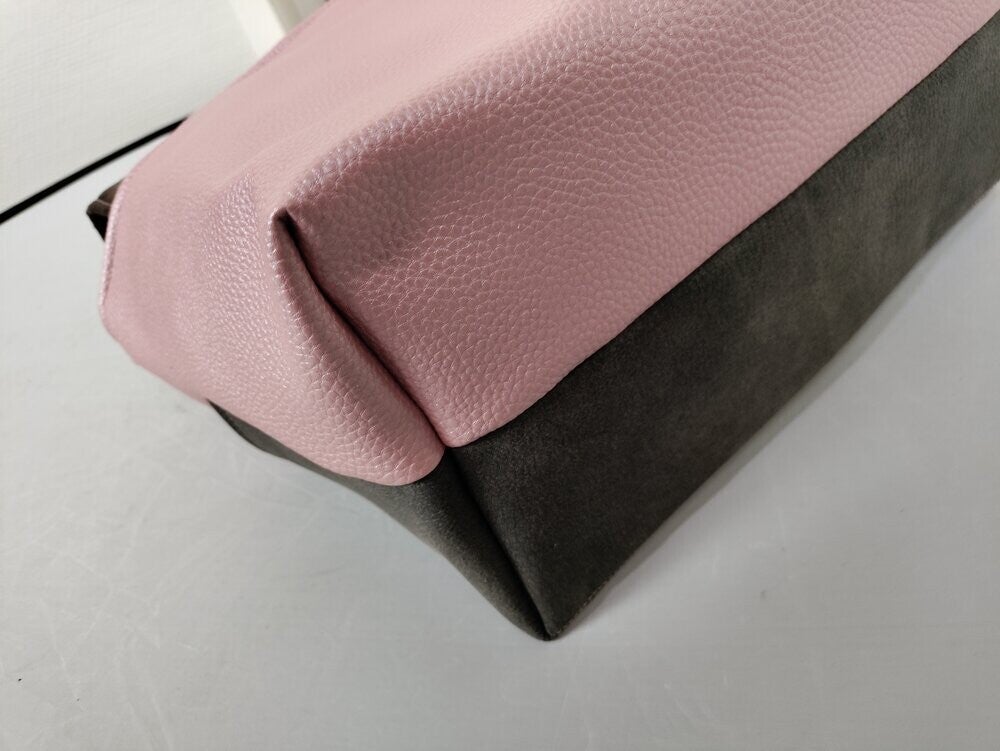
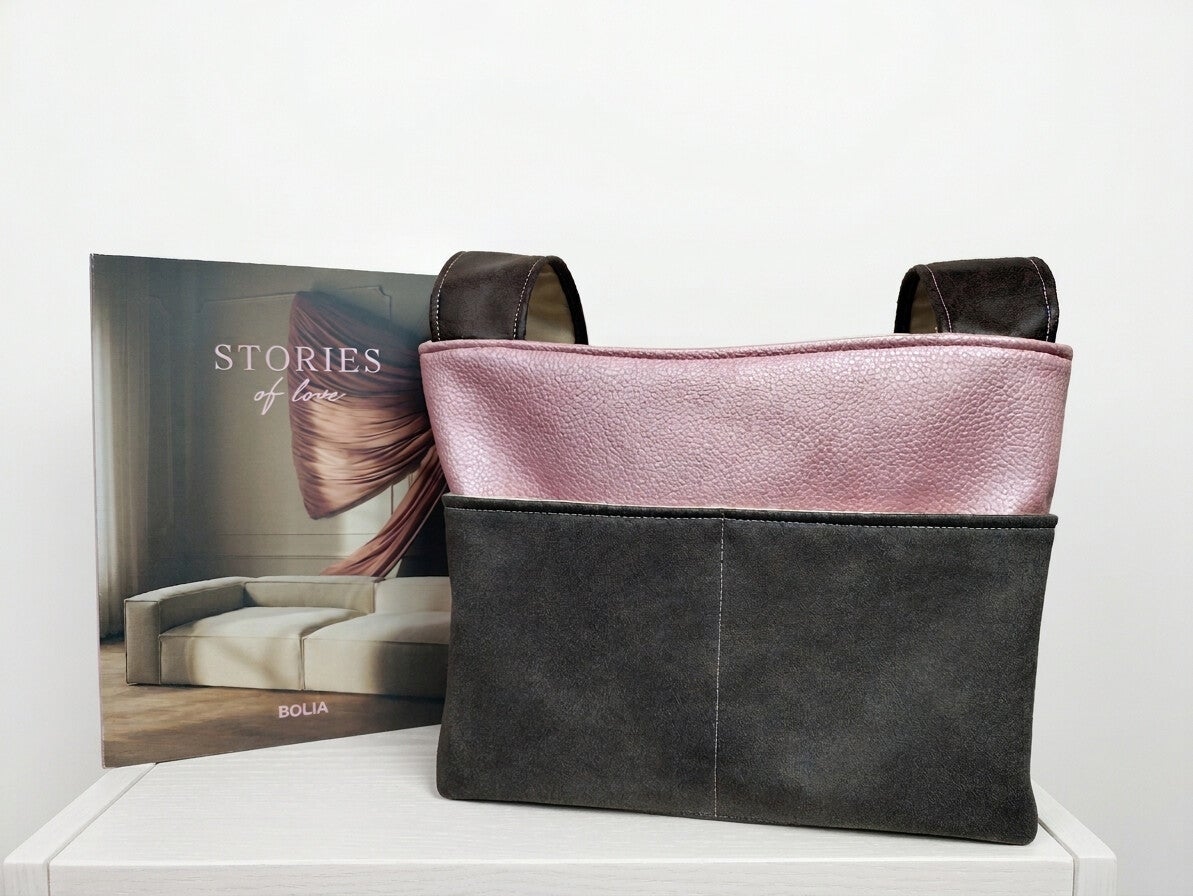
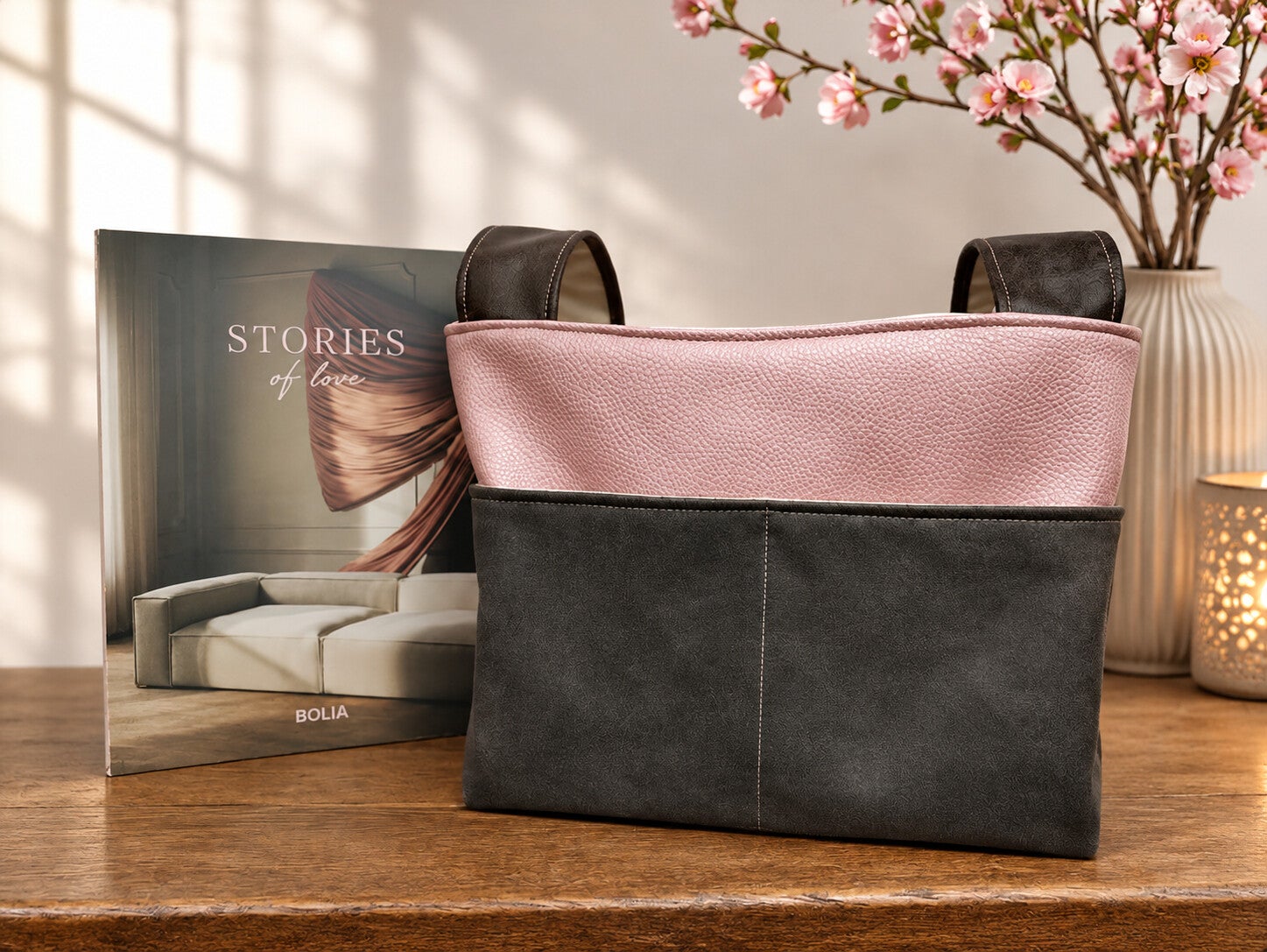
As an example, I am showing the making process of my little pink leather basket.
Could you make something like this in an hour? An afternoon, perhaps?
Let me give you a little spoiler: it took me four evenings!
And that doesn't even include finding and buying the materials, developing the design, coming up with the original idea or taking the photographs.
Suddenly, winning a sewing competition doesn't seem quite so simple, does it?
Add comment
Comments