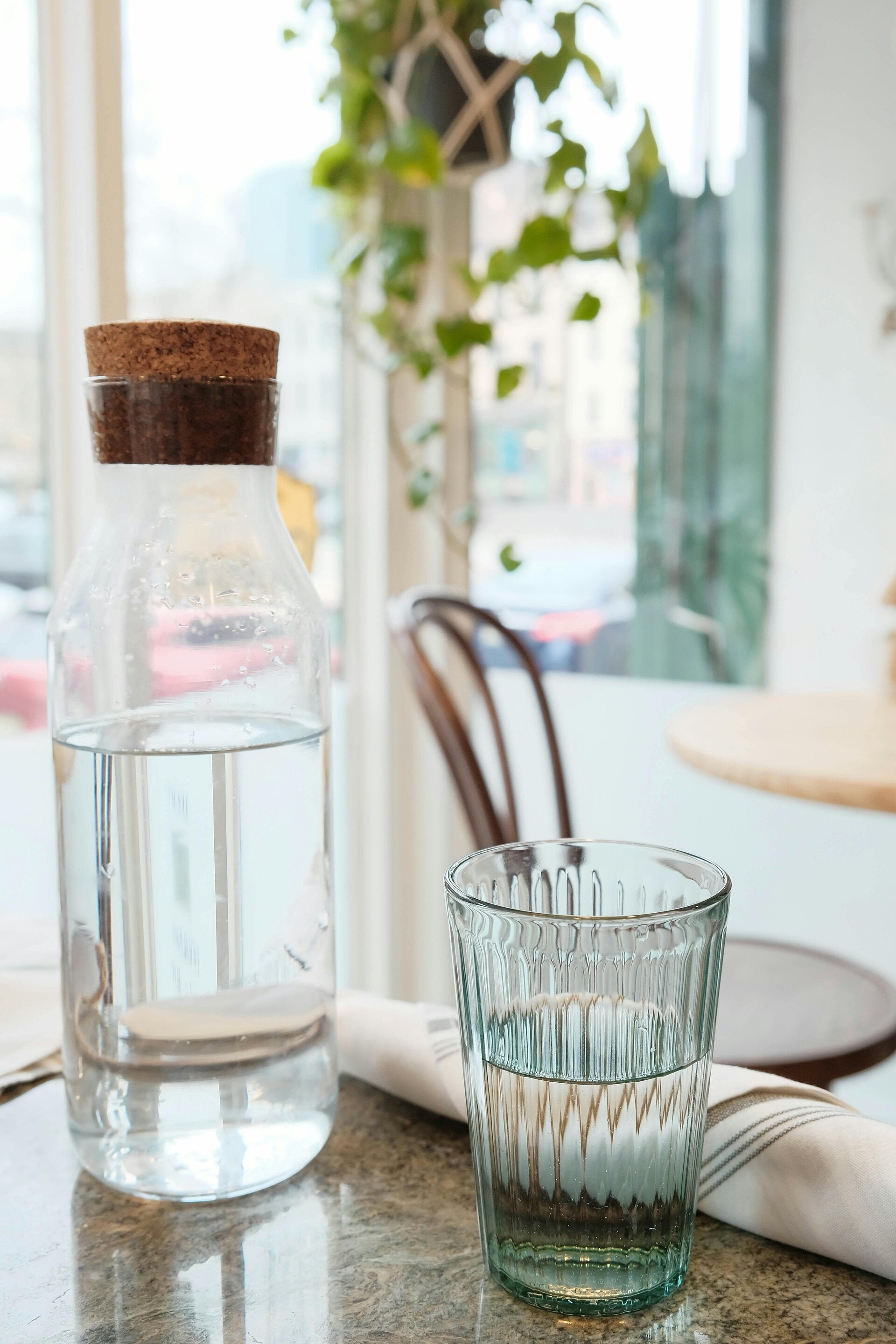
Water: a Comforting Item to Begin With
Many European governments recommend being prepared for 72 hours in case of a large-scale emergency. This allows services to organise a coordinated, large-scale response—both geographically and in numbers. But let’s be honest: even with official guidelines (like the Dutch DenkVooruit.nl), it’s easy to feel overwhelmed. We’ve been there too.
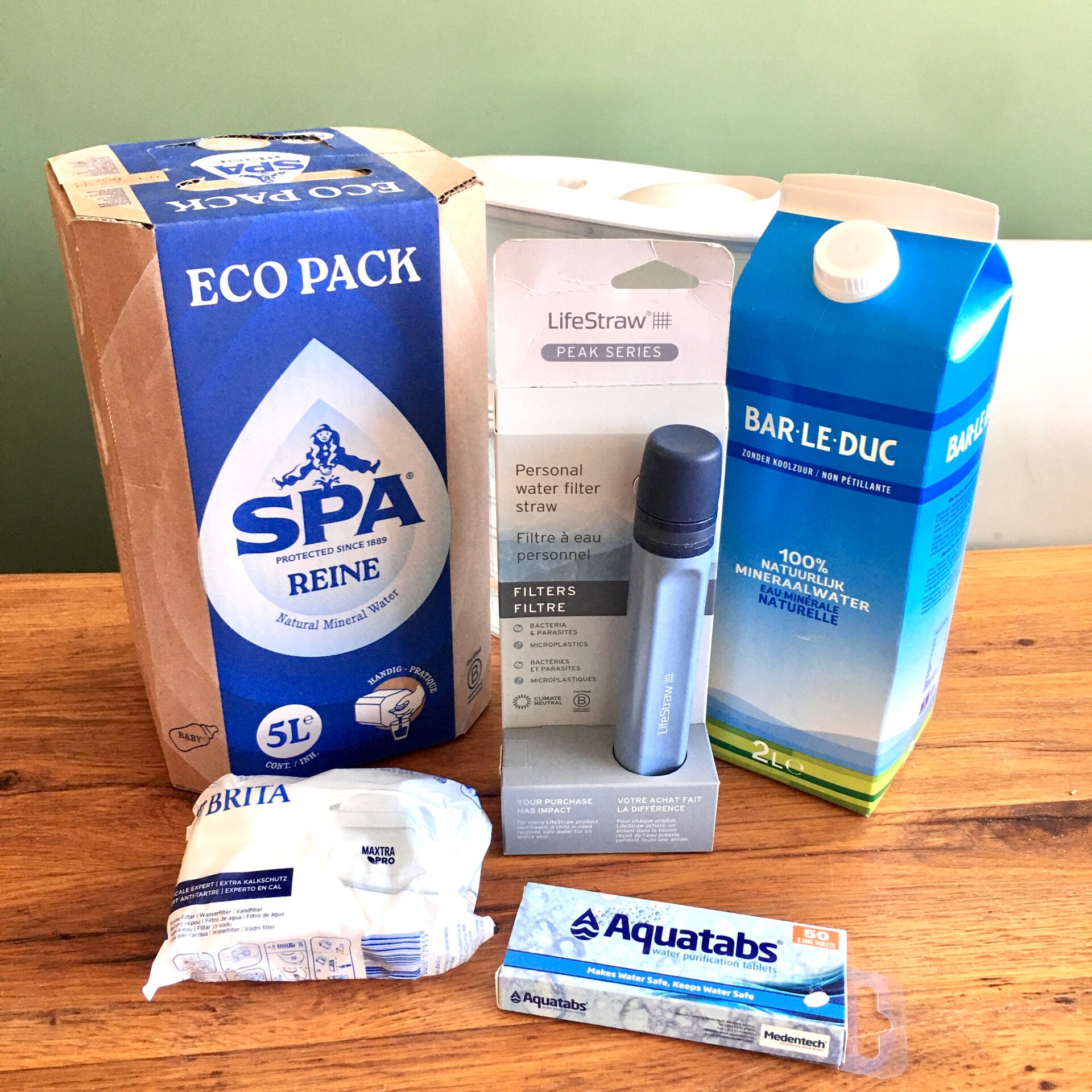
So, let’s start simple. Imagine standing in your local prep shop, asking: “What’s the single most important thing?” The answer is water. Store enough for 72 hours, and if you like, add water purification tablets. And here’s the good news: Water and purification tablets are low-budget, easy to store, and incredibly reassuring.
That’s how it began for us. One small step at a time. Preparedness isn’t a finish line—it’s a withdrawing horizon. You stop when you feel comfortable, and you restart when you feel the need to intensify. It’s like a hobby or a gentle workout: once you start, the flow continues without too much effort.
We’re here to help you take those first, simple steps—just like the helpful man at the prep shop in Utrecht. Let’s break it down into three easy levels. Remember, starts are often the hardest part.
Level 1: The Single Most Important Step
Start with water. It’s the foundation of preparedness—and the easiest way to gain peace of mind.
Store water for 3 days:
- Minimum: 3 litres per person per day (including pets).
- Extra: Add water for personal hygiene (e.g., flushing the toilet, washing dishes).
Nourishing water:
- Keep Oral Rehydration Salts on hand in case of illness or dehydration.
Level 2: One Step Further
Now that you’ve started, let’s make it practical and sustainable.
Use and refresh your water:
- If you’re not buying long-storage water, use and replace your stored water before it expires (like a supermarket rotation system: new at the back, old at the front).
Think beyond drinking:
- Store water for toilets (a rain butt is perfect for this).
- Remember big pets (horses, cows, goats, donkeys) and thirsty plants or shrubs.
Hygiene helpers:
- Keep biodegradable wet wipes at home for body washing and dish cleaning.
- Consider a dry toilet (don’t worry—it’s just a box and doesn’t take up much space).
Level 3: Another Step Up
Feeling confident? Let’s expand your preparedness with a few more thoughtful additions.
Water purification:
- Invest in water purification tablets, drinking straws with built-in filters, or portable water filters.
Extra water storage:
- Install an additional rain butt (or more, depending on your needs for family members, pets and for instance your veggie garden.
Water distribution:
- Have a clean jerrycan per family member ready in case water shortages last longer than 72 hours. Some water companies may start distributing water in emergencies.
Preparedness isn’t about fear!
It’s about care, comfort, and common sense. You don’t need to build a bunker or stockpile military-grade supplies. Start small, stay practical, and enjoy the process. You’re not just preparing for emergencies—you’re creating a cosier, more resilient home.
So take a deep breath. And remember: every little step counts.
Happy Preparing!
— Handmade Luxury Home & Handmade Preparedness —
Paula Kuitenbrouwer
~A Positive Prepper~
Dry-Toilets
Water Purification Tablets
Rain Barrels & Rain Butts
Water Filters
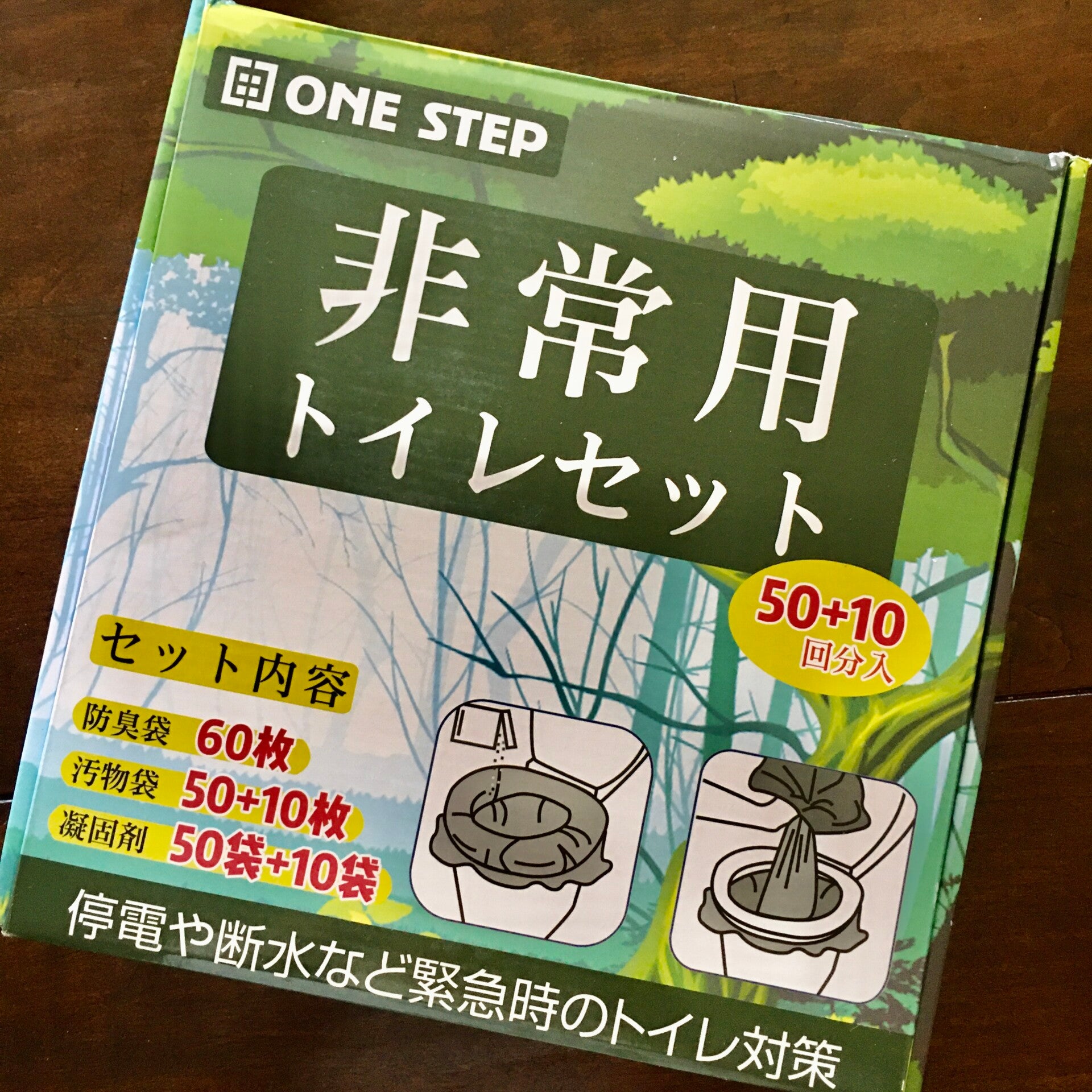
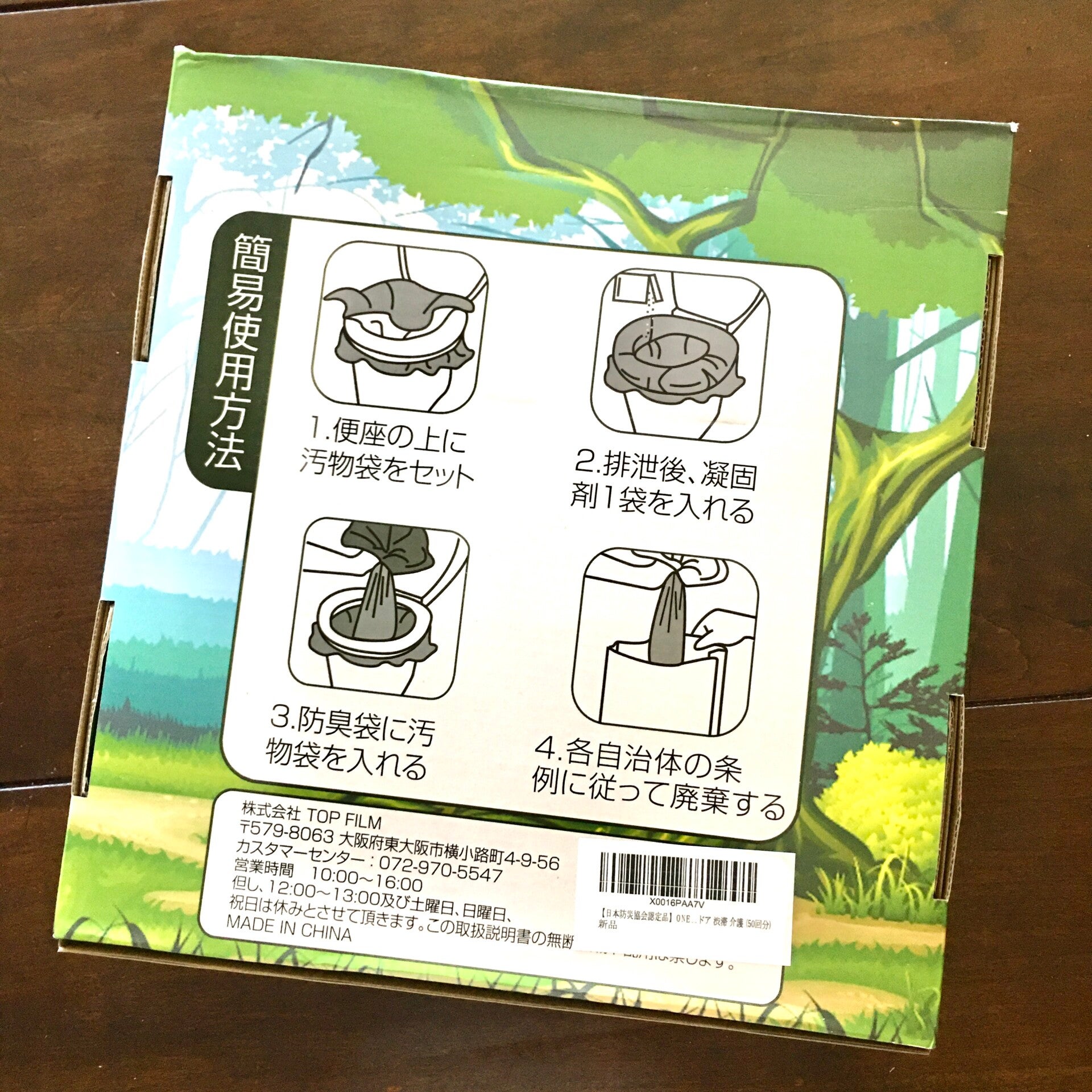
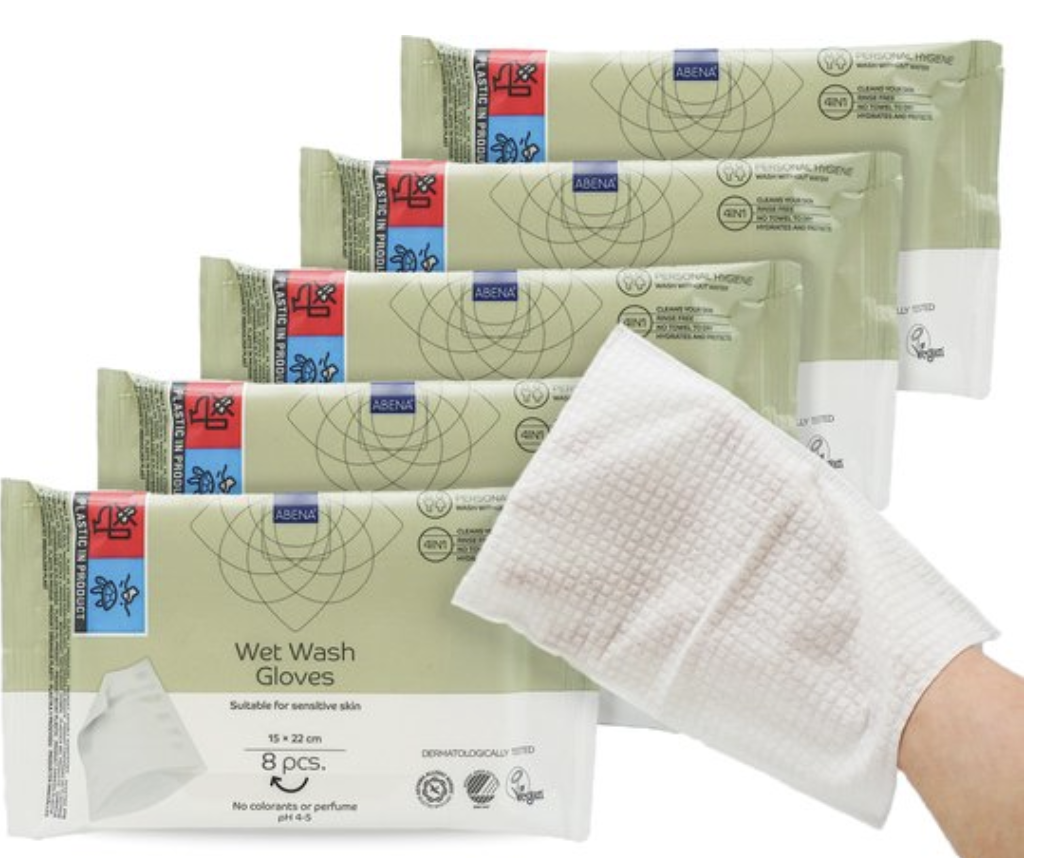
You do not need to be able reading Japanese of Chinese to understand a dry toilet. Or wet-wash body tissues. But you will be grateful to have these items when water distribution is suspended.
Add comment
Comments