Why Bad Weather Makes Us Think About Prepping
A lot of rain, a lot of traffic, and suddenly we realise how much we depend on everyday comforts.
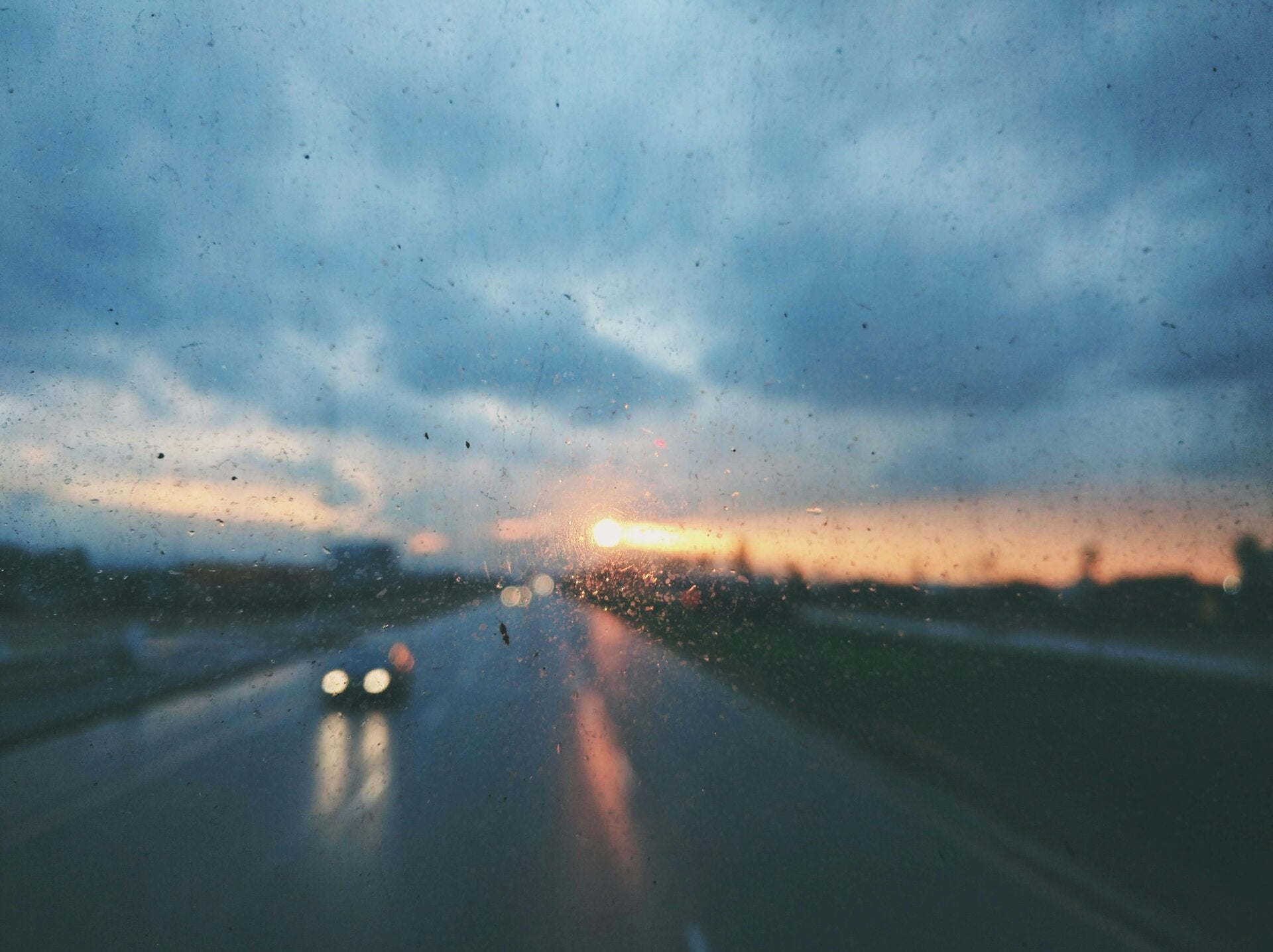
There has been a lot of rain in the Netherlands -my home country- over the last few days. Stormy weather, heavy showers and grey skies. Not exactly the weather that makes you want to go outside!
Rain is very welcome for nature. After a record hot and dry summer, our gardens, trees and countryside need extra water. However, for most people, endless rain is not quite so enjoyable.
Yesterday, on November 17, the Netherlands experienced an exceptionally busy morning rush hour. At one point, the traffic jams added up to more than 1,000 kilometres! To put that into perspective: the Netherlands is only about 300 kilometres long from north to south and 200 km. from west to Germany. That's a lot of cars standing still in a rather small country!
While thousands of people were sitting in their cars, many others were probably enjoying a completely different kind of day. Staying indoors, turning up the heating, making a nice cup of tea and eating whatever was already in the kitchen. No need to visit the supermarket today.
Perhaps that is where the psychology of bad weather becomes interesting.
Why Do We Feel More Vulnerable When the Weather Is Bad?
On a rainy autumn day, we are much more aware of our dependence on everyday comforts.
Imagine:
-
What if the heating suddenly stops working?
-
What if heavy rain causes drains to overflow and water enters your home? Of worse, the sewage system is hacked?
-
What if the refrigerator stops working because of a power cut?
-
What if the shops close or deliveries cannot get through?
-
What if you are stuck in a traffic jam and the petrol station has no fuel?
-
And what if the electric charging points are not working when you need them?
These situations are possible throughout the year. Yet, on a beautiful summer afternoon, they somehow feel less threatening.
We can sit outside, enjoy the sunshine and feel that everything is under control. Even if problems could happen tomorrow.
Bad weather changes our perspective. It reminds us how much we depend on electricity, heating, transport, shops and other services that we normally take for granted.
When winter arrives, with shorter days, colder temperatures and perhaps even snow or freezing rain, that feeling can become even stronger.
Preparing Is Not About Being Afraid
This is exactly why we believe in positive prepping.Prepping should not be about fear, panic or expecting the worst. You do not need a bunker in your garden, expensive survival equipment, or dangerous amounts of fuel stored in your garage.
Good preparation starts with something much simpler: thinking about your basic needs.
What would you need if you had to stay at home for two or three days?
Water and food
Keep some drinking water available and make sure you have food that does not need refrigeration. Bread, crackers, canned food, pasta and other cupboard essentials are good examples.
Light and electricity
A few torches, spare batteries and a power bank can make a big difference during a power cut. Keep them somewhere you can find them easily.
Warmth
What would happen if your heating stopped working? Extra blankets, warm clothing and a way to keep one room comfortable are sensible things to consider.
Information
If the internet or mobile network stops working, how will you receive important information? A battery-powered or wind-up radio can be useful.
Everyday essentials
A manual can opener, basic first-aid supplies, necessary medicines and some extra household items are all worth having.
None of these things are particularly exciting. But that is rather the point. Preparing is mostly about ordinary things that become very important when normal services are interrupted.
A dry - or camping- toilet with SAP granules.
A Little Preparation Brings Peace of Mind
You do not have to prepare everything in one day. Start small, look around your home and think about what you would miss first if the electricity went off or you could not visit the shops.
Our advice is simple: use what you already have, add a few useful supplies when you go shopping and make sure your household is prepared for a short interruption to everyday life.
And remember, preparing for bad weather is not only about what happens inside your home.
It is also about getting there safely!
So, one final and very practical recommendation from us:
Buy yourself a good raincoat.
Because sometimes the best survival equipment is simply something that keeps you dry!
Stay warm, stay dry and stay prepared.
The Prepared Home – Practical preparation for a more confident and comfortable everyday life.
Add comment
Comments